Women experiencing menopause hair thinning remedies often notice a gradual loss of volume that can affect confidence and overall well‑being. Hormonal shifts, especially the decline in estrogen, play a central role in this type of hair loss, making it distinct from male pattern baldness. Understanding the underlying causes helps you choose the most suitable approach, whether it’s lifestyle adjustments, topical treatments, or advanced procedures like hair transplantation. In fact, studies show that up to 40 % of women report noticeable hair thinning during the menopausal transition.
This article explores the science behind menopause‑related hair loss and presents a comprehensive set of remedies. We’ll cover nutritional strategies, medical therapies, non‑surgical options, and the circumstances under which a hair transplant becomes a viable solution. By the end, you’ll have a clear roadmap to restore thickness, improve scalp health, and regain confidence.
Whether you’re seeking a simple at‑home routine or considering professional intervention, the information below is designed to guide you through safe, evidence‑based choices that align with your personal goals.
Understanding Menopause‑Related Hair Thinning
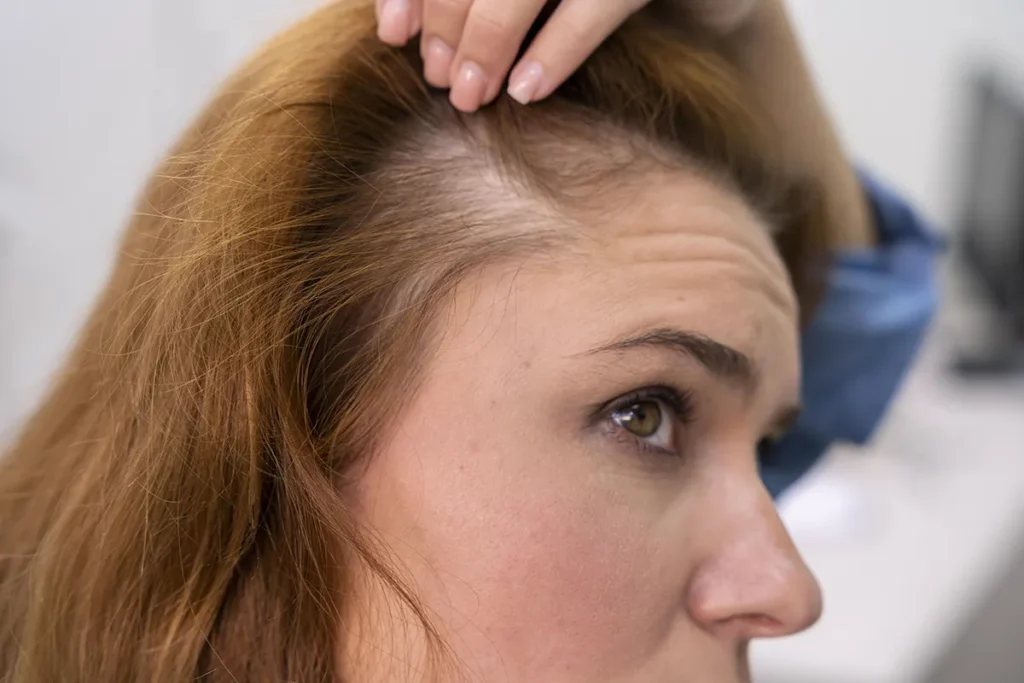
During menopause, the body undergoes significant hormonal fluctuations. Estrogen, which promotes hair growth and prolongs the growth phase (anagen), declines, while the relative influence of androgens like testosterone increases. This hormonal imbalance can shorten the anagen phase, leading to finer, shorter strands—a condition often referred to as female pattern hair thinning.
Key factors that amplify thinning during this stage include:
- Reduced estrogen levels affecting follicle health.
- Increased sensitivity of hair follicles to dihydrotestosterone (DHT).
- Age‑related changes in scalp circulation.
- Stress and nutritional deficiencies.
Understanding these mechanisms is essential because it informs which hair loss treatments are most likely to succeed. For example, therapies that target DHT may be more effective than those solely focused on scalp moisturization.
Below is a concise comparison of the primary causes and their typical manifestations:
| Cause | Typical Signs | Recommended Focus |
|---|---|---|
| Estrogen decline | Gradual thinning, especially on the crown | Hormone‑balancing nutrition, topical growth factors |
| Increased DHT sensitivity | Miniaturized follicles, widened part | DHT‑blocking agents, low‑level laser therapy |
| Stress & nutrition | Diffuse shedding, brittle hair | Stress management, micronutrient supplementation |
By pinpointing the dominant factors in your case, you can prioritize the most appropriate menopause hair thinning remedies and avoid unnecessary treatments.
Nutritional and Lifestyle Remedies
Nutrition plays a pivotal role in supporting healthy hair follicles, especially when hormonal changes increase the risk of thinning. A diet rich in specific vitamins, minerals, and proteins can act as a natural hair loss treatment for women during menopause.
Key Nutrients for Hair Health
- Biotin (Vitamin B7): Essential for keratin production; found in eggs, nuts, and legumes.
- D Vitamini: Supports follicle cycling; sunlight exposure and fortified foods help maintain levels.
- Iron: Prevents telogen effluvium; sources include red meat, spinach, and lentils.
- Omega‑3 fatty acids: Reduce inflammation and improve scalp circulation; abundant in fatty fish, flaxseeds, and walnuts.
- Zinc: Crucial for DNA synthesis in hair cells; present in pumpkin seeds, oysters, and chickpeas.
In addition to targeted nutrients, maintaining a balanced diet that stabilizes blood sugar can mitigate insulin spikes that exacerbate DHT production. Incorporating low‑glycemic foods such as whole grains, berries, and leafy greens helps keep hormonal fluctuations in check.
Lifestyle Practices That Support Hair Growth
Beyond diet, several lifestyle adjustments can enhance the effectiveness of menopause hair thinning remedies:
- Stress reduction: Chronic stress elevates cortisol, which can push hair follicles into the shedding phase. Practices like mindfulness meditation, yoga, or regular aerobic exercise are beneficial.
- Scalp massage: Gentle massage for 5‑10 minutes daily stimulates blood flow, delivering nutrients to the follicles.
- Avoid harsh styling: Limit heat tools, tight ponytails, and chemical treatments that cause mechanical damage.
- Sleep hygiene: Aim for 7‑9 hours of quality sleep to support hormonal regulation and cellular repair.
Integrating these habits creates a supportive environment for hair regrowth and can complement more intensive medical options when needed.
Topical and Medical Treatments
When nutritional and lifestyle measures are insufficient, targeted hair thinning treatment options can accelerate results. Several FDA‑approved and clinically studied products address the specific hormonal dynamics of menopause.
Minoxidil (Rogaine)
Minoxidil 2 % or 5 % topical solution remains the most widely used over‑the‑counter option for women. It works by widening blood vessels, improving follicular blood flow, and extending the anagen phase. Clinical trials report a 30‑40 % improvement in hair density after six months of consistent use.
Finasteride and Dutasteride (Low‑Dose)
Although traditionally prescribed for male pattern baldness, low‑dose oral finasteride (1 mg) or dutasteride can be effective for women with heightened DHT sensitivity. These medications inhibit the conversion of testosterone to DHT, directly addressing one of the key drivers of menopause‑related thinning. Prescription and monitoring by a qualified dermatologist are essential.
Platelet‑Rich Plasma (PRP) Therapy
PRP involves injecting concentrated platelets from the patient’s own blood into the scalp. Growth factors released from platelets stimulate follicle regeneration and improve scalp health. Studies indicate a 20‑35 % increase in hair thickness after three to four sessions spaced one month apart.
Low‑Level Laser Therapy (LLLT)
LLLT devices, such as laser combs or caps, emit red light that enhances mitochondrial activity in hair cells. Regular use (3‑5 minutes per session) can lead to measurable gains in hair density, particularly when combined with minoxidil.
The table below summarizes the main attributes of each treatment:
| Treatment | Mechanism | Typical Results | Considerations |
|---|---|---|---|
| Minoxidil | Vasodilation, anagen extension | 30‑40 % increase in density (6 mo) | Requires daily application; possible scalp irritation |
| Finasteride/Dutasteride | DHT inhibition | 20‑30 % reduction in shedding | Prescription needed; monitor for hormonal side effects |
| PRP Therapy | Growth factor stimulation | 20‑35 % thickness gain (3‑4 sessions) | Costly; requires clinic visits |
| LLLT | Cellular energy boost | 15‑25 % improvement (consistent use) | Device purchase; adherence essential |
Choosing the right combination often yields the best outcomes. For instance, many women pair minoxidil with LLLT to capitalize on both vascular and cellular benefits.
Non‑Surgical Restoration Options
For those who prefer to avoid surgery, several non‑invasive techniques can effectively address thinning hair while preserving natural scalp integrity.
Scalp Microneedling
Microneedling devices create micro‑injuries that trigger wound‑healing pathways, encouraging collagen production and stem‑cell activation. When performed weekly with a 0.5 mm roller, users often notice reduced shedding within two months.
Hair‑Fiber Concealers
Cosmetic powders and fibers (e.g., keratin‑based) adhere to existing hair shafts, instantly creating the appearance of greater volume. While purely aesthetic, they provide a confidence boost during the early stages of treatment.
Herbal and Natural Topicals
Ingredients such as saw palmetto, rosemary oil, and caffeine have shown modest efficacy in reducing DHT activity and stimulating follicles. Products combining these actives can be incorporated into daily routines alongside medical therapies.
Below is a quick guide to selecting the most suitable non‑surgical option based on individual needs:
- Goal: Immediate visual improvement – Choose hair‑fiber concealers.
- Goal: Long‑term follicle health – Opt for scalp microneedling combined with herbal topicals.
- Goal: Minimal cost – DIY microneedling kits and over‑the‑counter herbal serums.
While these methods may not replace the results of a transplant, they serve as valuable adjuncts, especially for women seeking gradual, low‑risk improvements.
When to Consider a Hair Transplant
Even with diligent use of menopause hair thinning remedies, some women reach a point where follicular density is insufficient for non‑surgical solutions. In such cases, a hair transplant can provide a permanent, natural‑looking restoration.
Ideal Candidates
- Stable hormonal status (post‑menopause or well‑managed hormone therapy).
- Donor area with adequate density (typically the occipital scalp).
- Realistic expectations regarding coverage and recovery time.
Techniques Offered by Gold City Hair
Gold City Hair specializes in two state‑of‑the‑art methods:
- Foliküler Ünite Ekstraksiyonu (FUE): Individual follicles are harvested and implanted, leaving minimal scarring.
- Direct Hair Implantation (DHI): Follicles are loaded into a specialized pen and placed directly, reducing handling time and improving graft survival.
Both techniques are performed under local anesthesia, with most patients returning to light activities within a week. Success rates for female patients, including those undergoing menopause‑related transplants, exceed 90 % in terms of graft survival and patient satisfaction.
Post‑Transplant Care
After the procedure, a regimen of gentle cleansing, prescribed topical agents, and possibly low‑level laser therapy helps optimize graft integration. Most women report noticeable thickening within three to four months, with full results emerging by the twelve‑month mark.
Choosing a reputable clinic ensures that the transplant aligns with the broader strategy of menopause hair thinning remedies, integrating medical, nutritional, and lifestyle components for lasting success.
Additional Tips for Long‑Term Hair Health
Beyond the primary remedies, several often‑overlooked practices can sustain hair vitality throughout and after menopause.
Regular Scalp Health Checks
Perform a simple self‑exam monthly: look for patches of excessive shedding, redness, or scaling. Early detection of scalp conditions such as seborrheic dermatitis can prevent secondary hair loss.
Protective Styling
Opt for loose hairstyles that avoid tension on the hair shaft. Silk or satin pillowcases reduce friction during sleep, minimizing breakage.
Limit Environmental Stressors
Exposure to harsh pollutants, chlorine, and excessive UV radiation can weaken hair fibers. Wearing a hat outdoors and rinsing hair after swimming help mitigate damage.
Periodic Professional Consultation
Even with a solid home regimen, a yearly visit to a trichologist or dermatologist can fine‑tune your approach, ensuring that any new hormonal changes or health issues are addressed promptly.
Integrating these habits with the earlier discussed remedies creates a holistic plan that supports both immediate regrowth and long‑term scalp resilience.
Why Choose Gold City Hair
Gold City Hair combines cutting‑edge transplant technology with a personalized, transparent approach. Since 2017, our clinic in Turkey has helped thousands of clients restore confidence through proven methods such as FUE and DHI. Our experienced medical team tailors each treatment plan to the individual’s hormonal profile, scalp condition, and aesthetic goals, ensuring optimal results and a comfortable experience from consultation to recovery.
Choosing Gold City Hair means accessing world‑class expertise, state‑of‑the‑art facilities, and a supportive care network that guides you through every step of your hair restoration journey.
Ready to transform your hair and regain confidence? Contact Gold City Hair today to schedule a personalized consultation and discover the most effective menopause hair thinning remedies for you.
Take the first step toward fuller, healthier hair—your future self will thank you.
SSS
What causes hair thinning during menopause?
Hormonal changes, especially the drop in estrogen and a relative rise in androgens like DHT, shorten the hair growth phase and lead to finer, shorter strands.
Which nutrients are most important for preventing menopause‑related hair loss?
Biotin, vitamin D, iron, omega‑3 fatty acids, and zinc are key nutrients that support follicle strength and scalp health during menopause.
How effective is minoxidil for women experiencing menopause hair thinning?
Clinical studies show minoxidil can increase hair density by 30‑40% after six months of consistent use in women.
Can low‑dose finasteride be used safely by women?
Low‑dose finasteride can be effective for women with high DHT sensitivity, but it requires a prescription and medical monitoring.
What are the benefits of PRP therapy for menopausal hair loss?
PRP delivers growth factors that stimulate follicle regeneration, leading to a 20‑35% increase in hair thickness after several sessions.
When should a woman consider a hair transplant for menopause‑related thinning?
A hair transplant is advisable when medical and non‑surgical options have plateaued and there is stable donor hair in the back of the scalp.