Hair therapy for men is a rapidly evolving field that blends medical science, cosmetic innovation, and personalized care. Whether you are noticing early signs of thinning or have been dealing with extensive baldness, understanding the full spectrum of treatments can empower you to make confident decisions. In many regions, up to 40% of men experience noticeable hair loss by age 35, making timely intervention crucial for preserving natural density.
This article walks you through the most effective therapies available today, from over‑the‑counter solutions like minoxidil to prescription medications such as finasteride, and finally to surgical options including FUE and DHI hair transplants. We’ll also discuss lifestyle habits that support long‑term success, and how a reputable clinic can tailor a plan that fits your unique pattern of loss.
By the end of the guide, you will have a clear roadmap for choosing the right approach, understanding realistic expectations, and taking the first steps toward regaining a fuller, healthier head of hair.
Understanding Male Hair Loss and Therapy Options
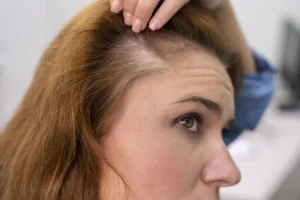
Male pattern baldness, medically known as androgenetic alopecia, accounts for the majority of hair loss cases in men. It is driven by genetic sensitivity to dihydrotestosterone (DHT), which shortens the growth phase of each hair follicle. Recognizing the stage of loss helps clinicians recommend the most appropriate hair therapy for men.
Stages of Hair Loss
- Stage I: Minimal recession at the temples.
- Stage II: Noticeable thinning on the crown.
- Stage III: Advanced recession forming an “M” shape.
- Stage IV: Extensive baldness with only a fringe remaining.
Therapeutic strategies differ by stage. Early stages often respond well to topical agents and lifestyle adjustments, while later stages may require surgical restoration. Below is a quick comparison of non‑surgical versus surgical approaches.
| Approach | Typical Use | Pros | Cons |
|---|---|---|---|
| Topical (e.g., minoxidil) | Early to moderate thinning | Easy to apply, low cost | Requires continuous use |
| Oral (e.g., finasteride) | Moderate to advanced loss | Systemic effect, proven efficacy | Potential side effects, prescription needed |
| Surgical (FUE/DHI) | Advanced stages, extensive baldness | Permanent results, natural look | Higher cost, recovery time |
Topical Treatments: Minoxidil and Other Solutions
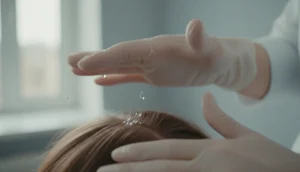
Topical agents are often the first line of defense for men seeking a non‑invasive solution. Minoxidil remains the most widely studied and FDA‑approved topical medication for hair regrowth. Originally introduced as a blood pressure medication, its side effect of increased hair growth led to the development of 2% and 5% solutions specifically for scalp use.
How Minoxidil Works
Minoxidil dilates blood vessels around hair follicles, improving nutrient delivery and extending the anagen (growth) phase. Consistent application can thicken existing strands and stimulate dormant follicles, especially on the crown.
Choosing the Right Formulation
- 2% solution – Often recommended for women but can be used by men with mild thinning.
- 5% foam – Preferred for men due to higher concentration and easier application.
- Combination products – Some brands blend minoxidil with ingredients like biotin or caffeine for added benefits.
Other topical options include rogain (a brand of minoxidil) and newer peptides that target the Wnt signaling pathway, though clinical data are still emerging.
Below is a quick guide to expected outcomes and usage tips.
| Product | Typical Results | Time to Notice | Key Considerations |
|---|---|---|---|
| Minoxidil 5% Foam | 10‑20% increase in hair count | 3‑6 months | Apply twice daily; may cause scalp irritation. |
| Minoxidil 2% Solution | 5‑10% increase in hair count | 4‑8 months | Better for sensitive skin; slower results. |
| Peptide‑Based Topicals | Variable, early-stage research | 6‑12 months | Not yet FDA‑cleared; consult a specialist. |
Oral Medications: Finasteride and Emerging Options
For men with moderate to severe hair loss, oral therapy can provide a systemic solution. Finasterid is a 5‑alpha‑reductase inhibitor that reduces DHT production, directly addressing the hormonal driver of androgenetic alopecia.
Finasteride: Efficacy and Safety
Clinical trials show that daily 1 mg doses can halt hair loss in up to 90% of users and promote regrowth in roughly 65%. Most side effects are mild and reversible, such as decreased libido or temporary erectile changes. Ongoing monitoring by a qualified physician is essential.
Emerging Oral Treatments
- Dutasteride – A more potent inhibitor used off‑label for hair loss; higher efficacy but also higher risk of side effects.
- Spironolactone – Occasionally prescribed for men with hormonal imbalances, though less common.
- Natural supplements – Biotin, zinc, and saw‑blade extract are popular, yet scientific support varies.
When selecting an oral regimen, doctors evaluate medical history, potential drug interactions, and personal preferences. Below is a comparison of the most common oral options.
| Medication | Mechanism | Success Rate | Common Side Effects |
|---|---|---|---|
| Finasteride 1 mg | DHT inhibition | 65‑90% hair stabilization | Sexual dysfunction, mood changes (rare) |
| Dutasteride 0.5 mg | Stronger DHT inhibition | 70‑95% hair stabilization | Similar to finasteride, slightly higher incidence |
| Spironolactone 50 mg | Anti‑androgen | Limited data for men | Electrolyte imbalance, fatigue |
Surgical Interventions: FUE, DHI, and Hair Transplant Techniques
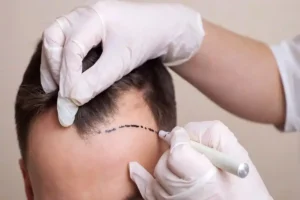
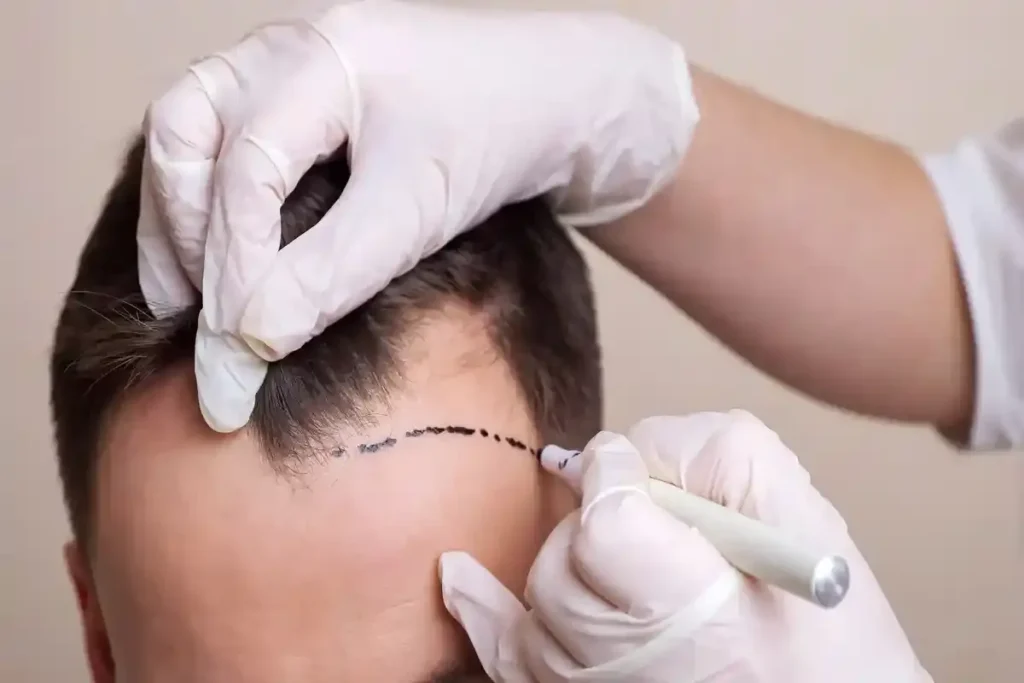
When non‑surgical methods reach their limits, surgical restoration offers a permanent solution. Foliküler Ünite Ekstraksiyonu (FUE) ve Direct Hair Implantation (DHI) are the two most advanced techniques performed at Gold City Saç. Both methods harvest individual follicular units from a donor area (typically the back of the scalp) and implant them into thinning zones, creating a natural‑looking hairline.
FUE vs. DHI
- FUE – Involves extracting follicles with a micro‑punch, then creating recipient sites before implantation. Offers flexibility in graft placement.
- DHI – Utilizes a patented implanter pen that places grafts directly after extraction, reducing handling time and potentially improving graft survival.
Both procedures are minimally invasive, leave no linear scar, and allow for rapid recovery. The choice depends on individual scalp characteristics, desired density, and budget.
Below is a side‑by‑side comparison of key factors.
| Feature | FUE | DHI |
|---|---|---|
| Extraction Method | Micro‑punch (0.7‑1.0 mm) | Implanter pen with built‑in punch |
| Implantation Time | Longer (grafts handled separately) | Shorter (direct placement) |
| Graft Survival Rate | 85‑90% | 90‑95% |
| Typical Sessions | 1‑3 days depending on density | 1‑2 days for comparable density |
| Recovery | 3‑5 days of mild redness | 2‑4 days of mild swelling |
Choosing a clinic with experienced surgeons, transparent pricing, and post‑operative support is essential for optimal outcomes. Gold City Hair combines state‑of‑the‑art facilities with a personalized care plan that monitors progress from the initial consultation through the final follow‑up.
Lifestyle and Supportive Measures for Sustainable Results
Even the most advanced medical or surgical therapy benefits from a supportive lifestyle. Nutrition, stress management, and scalp care all play roles in maintaining graft health and encouraging natural growth.
Nutrition Essentials
- Protein – Hair is keratin; adequate protein intake (lean meats, legumes, dairy) is vital.
- Omega‑3 fatty acids – Found in fish oil, support scalp circulation.
- Vitaminler – Biotin, vitamin D, and zinc have been linked to healthier hair cycles.
Stress Reduction Techniques
Chronic stress elevates cortisol, which can push follicles into the telogen (resting) phase. Practices such as mindfulness meditation, regular exercise, and adequate sleep (7‑9 hours) help mitigate this effect.
Scalp Care Routine
Gentle cleansing with sulfate‑free shampoos, occasional scalp massage to stimulate blood flow, and avoidance of harsh chemicals (e.g., high‑strength dyes) preserve the environment for both native and transplanted hair.
Below is a concise checklist to integrate these habits into daily life.
| Area | Action | Frequency |
|---|---|---|
| Diyet | Consume 1.2–1.5 g protein/kg body weight; add omega‑3 sources | Daily |
| Takviyeler | Take a balanced hair‑support multivitamin (biotin, zinc, vitamin D) | Daily |
| Stress Management | Practice 10‑minute meditation or breathing exercises | 2‑3 times per week |
| Scalp Hygiene | Wash with gentle shampoo, massage scalp for 2 minutes | Every other day |
Why Choose Gold City Hair
Gold City Saç has been delivering personalized hair restoration solutions in Turkey since 2017. Our clinic combines the latest FUE and DHI technologies with a transparent, patient‑first approach. Every treatment plan is customized after a thorough diagnostic assessment, ensuring that the chosen hair therapy for men aligns with your specific pattern of loss, budget, and aesthetic goals. Our experienced surgeons, modern facilities, and dedicated after‑care team make us a trusted partner for men seeking lasting confidence.
Ready to take the next step toward a fuller head of hair? Contact Gold City Hair today to schedule your confidential consultation and discover a treatment plan designed just for you.
SSS
What are the most common non‑surgical hair therapy options for men?
Topical minoxidil, oral finasteride, and lifestyle adjustments are the primary non‑surgical treatments.
How does minoxidil work to promote hair growth?
Minoxidil dilates scalp blood vessels, increasing nutrient delivery and extending the anagen phase of hair follicles.
What are the potential side effects of finasteride?
Finasteride may cause mild sexual side effects, such as decreased libido, and rarely mood changes.
What is the difference between FUE and DHI hair transplant techniques?
FUE extracts follicles with a micro‑punch and implants them later, while DHI uses an implanter pen to place grafts directly after extraction.
How long does it take to see results from topical or oral hair loss treatments?
Visible improvements usually appear after 3‑6 months for minoxidil and 6‑12 months for oral medications.
Can lifestyle changes improve the success of hair therapy?
Yes, proper nutrition, stress management, and scalp care can enhance treatment outcomes.