Millions of people worldwide deal with scalp itch and fungal issues. These problems cause discomfort and make people feel embarrassed. Regaining confidence starts with addressing the root cause of these problems.
Use antifungal shampoo for scalp itch relief fast. Eliminate fungus and flakes with these 5 top-rated medicated shampoos for a clean head.`
Antifungal shampoos are a proven solution for scalp fungal conditions. They target fungal overgrowth, providing soothing relief. With the right approach, you can transform your scalp health and regain your confidence.
Önemli Çıkarımlar
Antifungal shampoos are a proven solution for scalp itch relief.
Up to half of the global population suffers from dandruff.
Seborrheic dermatitis is a common scalp condition that can be managed with antifungal shampoos.
Restoring scalp health can boost confidence.
Targeting fungal overgrowth is key to relieving scalp itch.
Understanding Scalp Fungal Conditions
Fungal overgrowth on the scalp, mainly caused by Malassezia yeast, leads to several scalp issues. This yeast can cause problems like seborrheic dermatitis and dandruff when it grows too much.
Common Fungal Scalp Problems
The scalp can face many fungal infections. This leads to conditions such as:
Dandruff: It’s marked by flakes of dead skin and can be itchy and embarrassing.
Seborrheic Dermatitis: A more severe version of dandruff, often with redness and inflammation.
Ringworm of the Scalp (Tinea Capitis): A fungal infection causing hair loss, redness, and scaling.
These issues are not just about looks. They can be uncomfortable and, if not treated, may worsen.
The Role of Malassezia Yeast
Malassezia yeast is naturally on human skin, mainly on the scalp. It eats the oils from the scalp and usually doesn’t cause problems. But, certain things can make it grow too much, causing scalp issues.
Knowing how this yeast works is key to picking the right treatment. Using an effective antifungal shampoo is important.
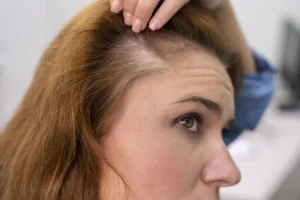
Symptoms That Indicate Fungal Overgrowth
Spotting symptoms early helps in treating fungal scalp conditions well. Common signs include:
Itching and irritation on the scalp.
Flakes of dead skin or dandruff.
Redness and inflammation.
Hair loss in severe cases.
If you see these signs, using a scalp fungus treatment shampoo or an itchy dry scalp shampoo can help. It’s important to pick a product with strong antifungal ingredients.
Types of Antifungal Shampoo for Scalp Treatment
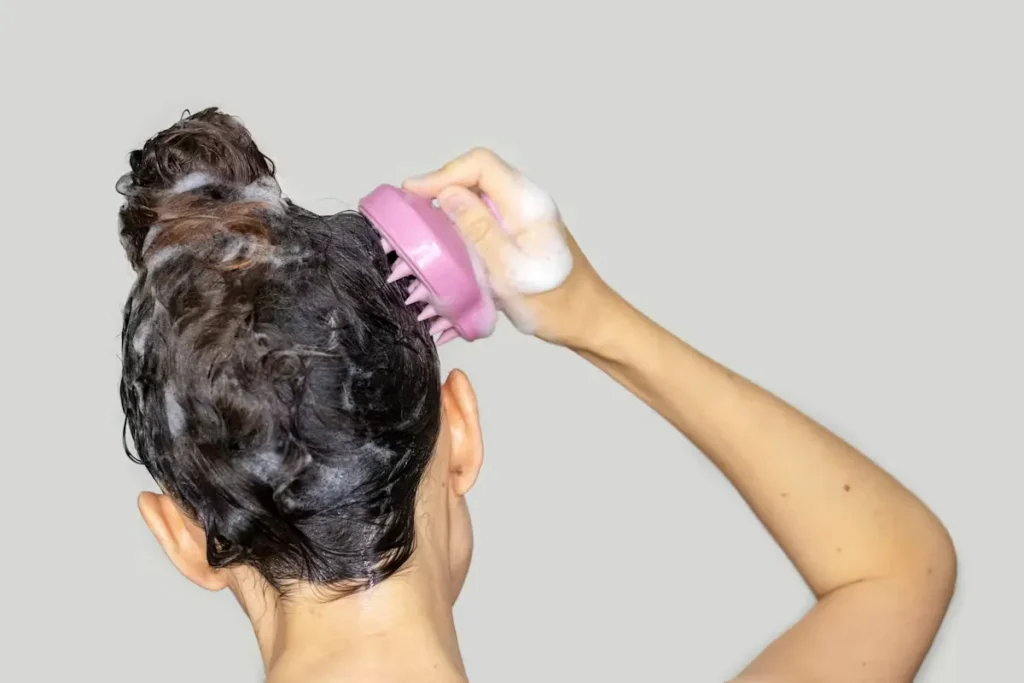
The market has many antifungal shampoos, each with its own benefits for scalp health. It’s important to look at the active ingredients and how well they fight fungal infections.
Ketoconazole-Based Shampoos
Ketoconazole is a known antifungal agent that fights fungal overgrowth on the scalp. Ketoconazole-based shampoos are available without a prescription and by prescription, giving you choices.
Studies show ketoconazole helps a lot in treating fungal scalp infections. A study found that ketoconazole shampoo is key in treating seborrheic dermatitis and dandruff, caused by Malassezia yeast.
Zinc Pyrithione Formulations
Zinc pyrithione is also found in antifungal shampoos. It stops yeast growth on the scalp, reducing itching and flaking. Zinc pyrithione formulations are known for their antifungal and antibacterial effects.
Other Effective Antifungal Ingredients
Ingredients like selenium sulfide are also good for treating fungal scalp issues. Selenium sulfide reduces scaling from fungal infections and is used in shampoos for tinea versicolor.
Over-the-Counter vs. Prescription Options
Antifungal shampoos come in over-the-counter (OTC) and prescription-strength options. OTC shampoos work well for mild cases, but prescription shampoos are needed for severe or ongoing infections.
It’s important to talk to a healthcare professional to find the right treatment. They will consider the severity of your condition and your health needs.
Step-by-Step Guide to Using Antifungal Shampoo
Using antifungal shampoo to treat fungal scalp infections is simple. But, it’s important to follow a step-by-step guide. This guide covers preparation, application, and how often to use it.
Preparing Your Hair and Scalp
Before you start, make sure your hair and scalp are ready for treatment.
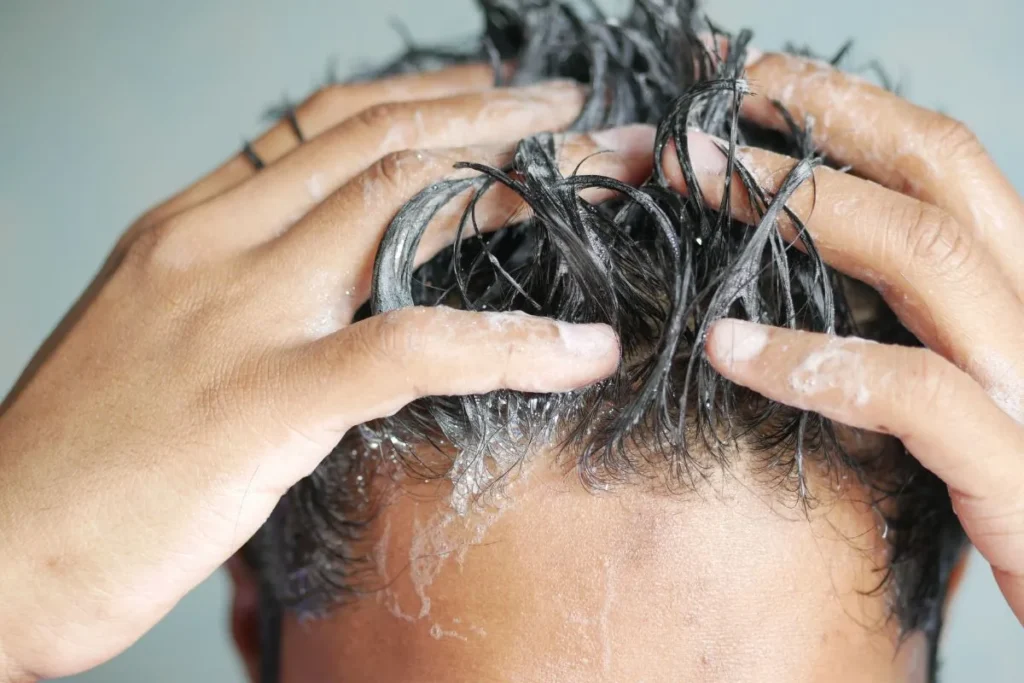
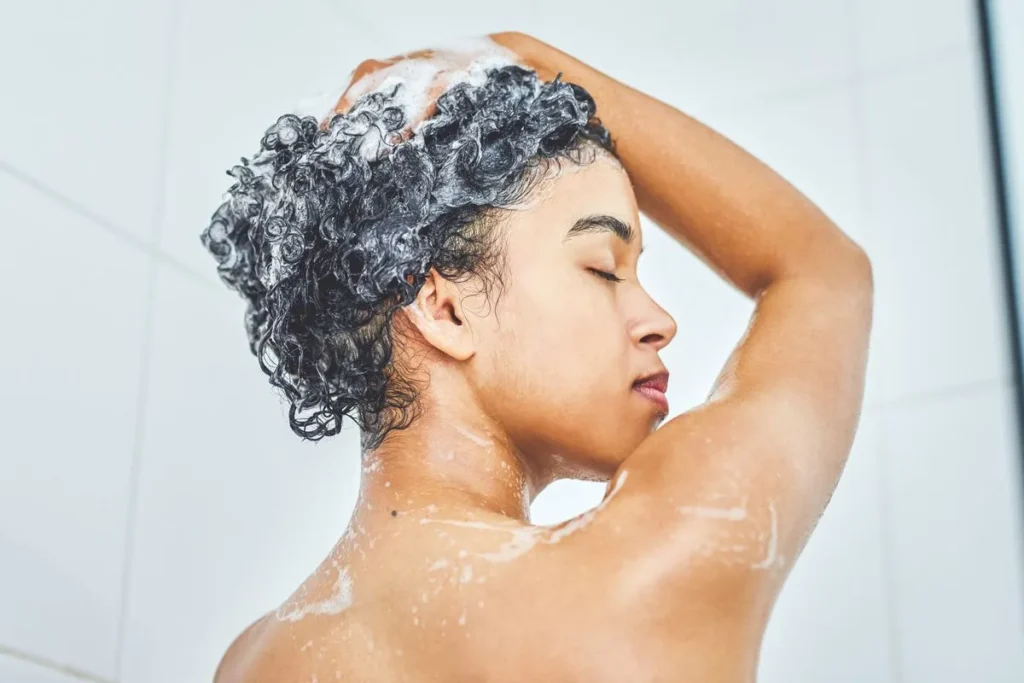
Begin by wetting your hair with warm water. This opens up your hair follicles. It lets the shampoo work better.
Key preparation steps include:
Wet your hair thoroughly with warm water.
Gently massage your scalp to loosen any flakes or debris.
Avoid using hot water, as it can strip your scalp of its natural oils.
Proper Application Techniques
Applying antifungal shampoo correctly is key to its success.
Use a lot of anti dandruff dry scalp shampoo or shampoo for fungus scalp on your scalp.
Massage the shampoo into your scalp gently but thoroughly.
Proper application involves:
Applying the shampoo directly to the scalp.
Massaging it in to ensure coverage.
Avoiding application only to the hair ends.
Recommended Contact Time
The time the shampoo stays on your scalp is important.
Most itch shampoo and anti fungus shampoo need 5 to 10 minutes. This lets the ingredients fight the fungal infection well.
During this time, the shampoo works deep into the scalp. It targets the fungal infection directly.
Frequency of Use for Maximum Effectiveness
Using the shampoo the right amount of times is key for best results.
Most antifungal shampoos should be used 2 to 3 times a week.
Being consistent is important. You’ll see results in 2 to 4 weeks. But, some infections might take 6 to 8 weeks to clear up.
By following these steps and being consistent, you can treat scalp fungal infections. You’ll get a healthy, itch-free scalp.
Conclusion: What to Expect and When to Seek Medical Help
Antifungal shampoos are a great way to fight scalp fungal problems, like those from Malassezia yeast. Using a head fungus shampoo or scalp yeast shampoo can really help. You’ll feel better from the itching and flaking of dandruff.
It’s important to use an antifungal for dandruff or scalp itch shampoo as directed. This means following the application and contact time. Most people start seeing improvements in a few weeks of regular use.
If your symptoms don’t get better or get worse, you should see a doctor. Untreated fungal infections can turn into serious problems. A healthcare professional can offer more advice and suggest other treatments if needed.
Choosing the right head itch shampoo and sticking to a treatment plan is key. This way, you can keep your scalp healthy and feel confident. Taking care of scalp fungal conditions is essential for a healthy scalp and avoiding future problems.
SSS
What is the most common cause of scalp fungal infections?
Scalp fungal infections are most commonly caused by dermatofit mantarlar, such as Trichophyton species.
How do I know if I have a fungal scalp infection?
Signs include itching, redness, scaling, hair breakage, and sometimes circular bald patches.
What is the difference between ketoconazole-based shampoos and zinc pyrithione formulations?
Ketoconazole shampoos are stronger antifungals targeting fungal growth, while zinc pyrithione is milder and helps control dandruff and seborrheic dermatitis.
How often should I use antifungal shampoo for maximum effectiveness?
Typically, 2–3 times per week for 2–4 weeks, following the product instructions or your doctor’s guidance.
Can I use antifungal shampoo as a preventive measure?
Yes, occasional use can help prevent flare-ups, especially if you are prone to fungal scalp infections.
What are the benefits of using antifungal shampoo for scalp itch relief?
It reduces itching, flaking, redness, and fungal growth, helping restore a healthy scalp.
Are there any side effects associated with using antifungal shampoo?
Side effects are rare but may include mild irritation, dryness, or temporary hair texture changes.
Can I use antifungal shampoo on colored or treated hair?
Yes, most are safe, but check the label and do a patch test to avoid color fading or dryness.
When should I seek medical help for my scalp condition?
Seek help if you notice persistent itching, spreading bald patches, pain, pus, or no improvement after a few weeks of treatment.
Referanslar
Antifungal Shampoo For Scalp: 5 Fast Wins
https://pubmed.ncbi.nlm.nih.gov/10967964/