Discovering a painful nodule hidden beneath your scalp hair can be alarming. A scalp furuncle, or boil, is a deeper infection of the hair follicle. It forms a pocket of pus, needing quick treatment. Dealing with a boil on head under hair? Use these quick easy cures to reduce pain, drain the infection, and heal your scalp naturally today.
At Gold City Hair, we specialize in treating these infections. We use the latest protocols and focus on our patients. Medical News Today says scalp folliculitis is inflammation of hair follicles. It’s often caused by ingrown hairs, infection, or medication side effects. Knowing the causes is key to treating them well.
Regaining confidence starts with addressing the issue. Our expert team is committed to giving personalized care and modern techniques. We aim to treat scalp boils effectively.
Önemli Çıkarımlar
Scalp boils are deep infections of hair follicles that form pus-filled abscesses.
Prompt, professional treatment is necessary to address scalp furuncles.
Causes include ingrown hairs, infections, and medication side effects.
Understanding the cause is key for effective treatment.
Personalized care and modern techniques are essential for treating scalp boils.
Understanding Scalp Furuncles and Carbuncles
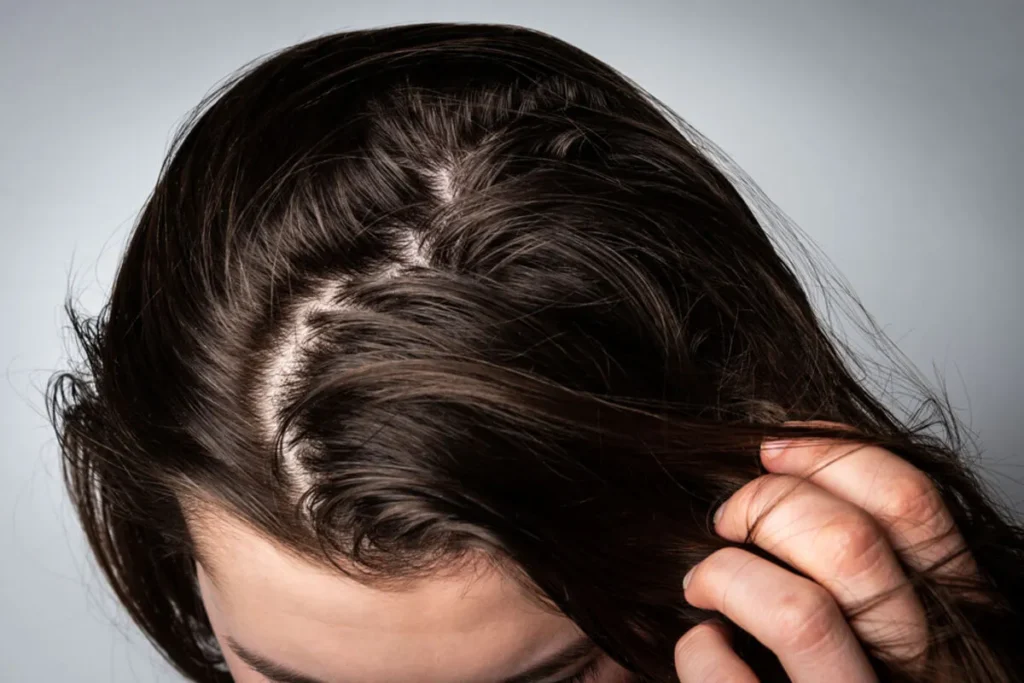
Scalp infections, like furuncles and carbuncles, come from bacteria. Knowing how to handle them is key. These infections start when bacteria infect a hair follicle, often Staphylococcus aureus.
What Is a Scalp Boil?
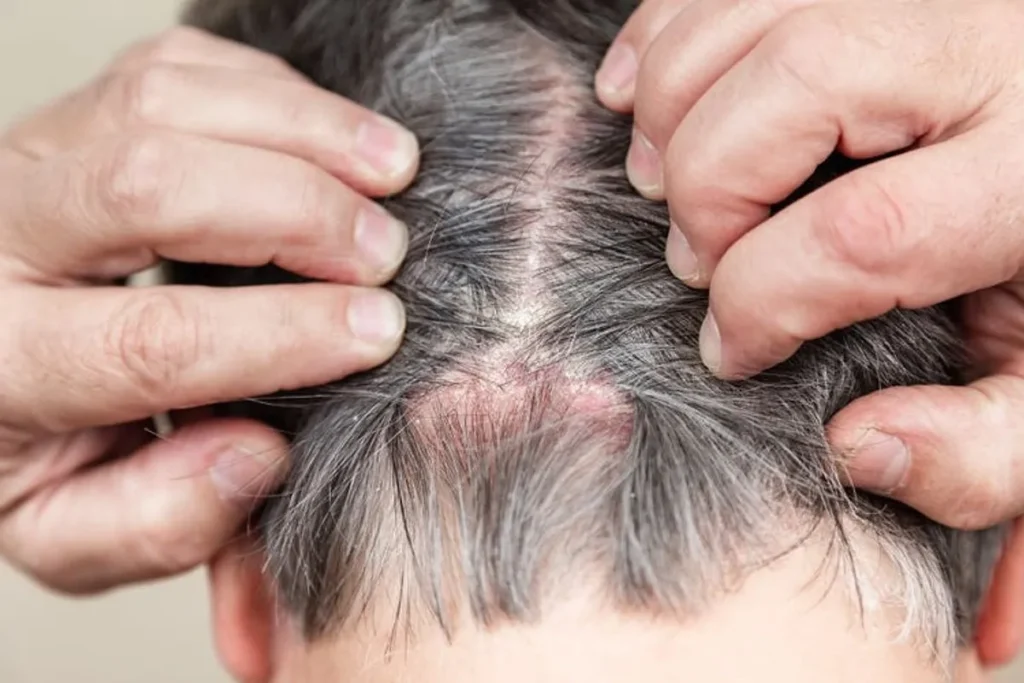
A scalp boil, or furuncle, is a painful bump filled with pus. It happens when bacteria infect a hair follicle. It shows as redness, swelling, and tenderness. When many furuncles join, they form a carbuncle, a more serious infection.
Bacterial Causes of Hair Follicle Infections
Bacteria are the main reason for folliculitis. Staphylococcus aureus is the most common culprit. It’s usually found on healthy skin and in noses but can cause trouble when it gets inside through cuts or scratches.
Other bacteria can also lead to hair follicle infections, causing folliculitis. Knowing the cause is key to treating it right.
Risk Factors for Developing Scalp Boils
Several things can make you more likely to get scalp boils. These include a weak immune system, poor hygiene, and scalp irritation. People with diabetes or on certain immune-suppressing meds are also at risk.
Knowing these risks helps prevent boils. Good hygiene, managing health issues, and avoiding scalp irritants can lower your risk.
Identifying a Boil on Head Under Hair
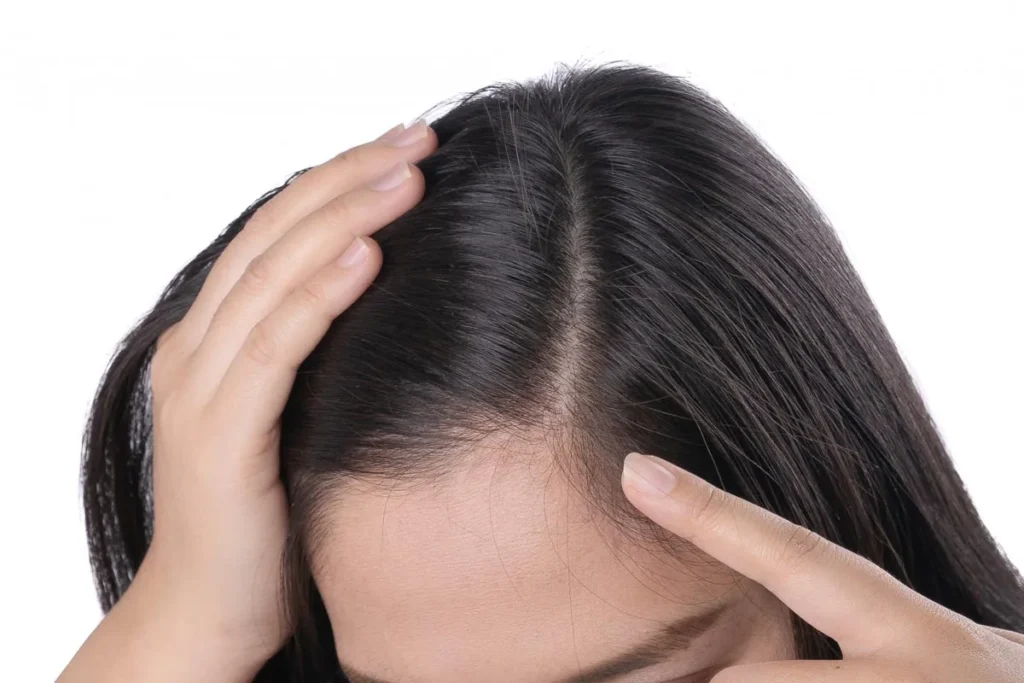
Spotting a scalp boil early is key to treating it well and avoiding more problems. Boils under hair on the head are tricky to find and fix because of where they are.
Early Signs and Symptoms
The first signs of a scalp boil are often small and tender. As it grows, the area might turn red, swell, and hurt when touched. Folliculitis, which can cause boils, shows as clusters of pus-filled sores, closed pimples, and inflamed skin.
Common early signs include:
Redness and swelling around a hair follicle
Pus or discharge
Increased sensitivity or pain
Warmth around the affected area
Progression of Scalp Boils
If not treated, a scalp boil can get bigger and more painful. It might burst, releasing pus, and then start to heal. But, without care, the infection could spread or come back.
Ne Zaman Tıbbi Yardım Alınmalı
See a doctor if you notice more pain, swelling, or redness; have a fever; or if the boil doesn’t get better with home care. Doctors can tell you the best treatment, which might include antibiotics or draining the boil.
Regain your confidence by acting fast to find and treat scalp boils. Catching it early and treating it right can greatly improve your outcome.
Treatment Methods for Scalp Boils
Scalp boils can be treated in many ways. You can use simple home remedies or more advanced medical treatments. The right treatment depends on how bad the boil is and your overall health.
Home Remedies for Minor Boils
For small scalp boils, home remedies can help. Medical News Today says mild cases of folliculitis can be treated with warm compresses and antibiotic ointments.
Warm compresses help bring the pus and infection to the surface, speeding up healing.
Antibiotic ointments fight bacterial infections causing the boil.
Keeping your scalp clean and practicing good hygiene stops the infection from spreading.
Medical Treatments
For serious or ongoing scalp boils, you might need medical help. This can include:
Oral antibiotics to fight bacterial infections.
Drainage procedures to remove pus and help heal.
A doctor might also give you stronger medicines or suggest more treatment to stop the boil from coming back.
Healthcare experts say keeping clean and getting medical help when needed are key to managing scalp boils.
– Medical News Today
Conclusion: Prevention and Management
Knowing what causes scalp boils is key to preventing and managing them. Keeping your scalp clean and avoiding tight headgear can help a lot. This reduces the chance of getting scalp furuncles.
Good scalp care is important. Wash your scalp regularly and use gentle products. Also, managing health issues and staying away from things that irritate your scalp helps keep your scalp healthy.
Start taking care of your scalp today. Follow these tips and focus on keeping your scalp clean. This way, you can lower the risk of scalp boils and feel better overall.
SSS
What are the best postpartum vitamins for hair loss
Look for vitamins with biotin, iron, zinc, vitamin D, B‑complex, vitamin C, and collagen to support hair regrowth after childbirth
Can postpartum hair loss be stopped with vitamins
Vitamins help support and nourish hair growth, but they don’t stop shedding instantly—natural postpartum shedding usually resolves on its own
Are Baby Blues Postpartum Hair Vitamins effective
Supplements like Baby Blues may help if they provide key nutrients, but effectiveness varies by individual and nutritional needs
How long does it take to see results from postpartum hair loss vitamins
Most people notice improvements in 8-12 hafta of consistent intake
Can I take postpartum hair loss vitamins while breastfeeding
Many vitamins are safe during breastfeeding, but check with your healthcare provider to ensure they match your needs
What is the role of estrogen in postpartum hair loss
After pregnancy, estrogen levels drop, triggering telogen effluvium—a temporary shedding phase that causes hair loss
Can I take vitamin D for postpartum hair loss
Yes, vitamin D supports hair follicle health, especially if levels are low, but confirm dosage with your doctor
Are there any other nutrients I should take with postpartum hair loss vitamins
Yes—iron, zinc, omega‑3 fatty acids, B vitamins, and collagen all support stronger, healthier hair growth
Referanslar
Ulusal Biyoteknoloji Bilgi Merkezi. Kanıta Dayalı Tıbbi Öngörü. Erişim adresi https://pmc.ncbi.nlm.nih.gov/articles/PMC6513076/