Red spots on the scalp can be uncomfortable and worrying for people of all ages. They can be caused by many things, from mild to serious skin problems.
Have a red spot on head? Discover 7 powerful healing cures and amazing tips to eliminate scary irritation for an incredibly healthy scalp.
Understanding the underlying cause is key for the right treatment. Issues like psoriasis, seborrheic dermatitis, folliculitis, and fungal infections can lead to these spots.
Many things can cause red spots on the scalp. This includes infections, allergic reactions, and autoimmune diseases.
Önemli Çıkarımlar
Red spots on the scalp can be caused by various dermatological conditions.
Understanding the underlying cause is essential for effective treatment.
Common conditions include psoriasis, seborrheic dermatitis, and folliculitis.
Infections, allergic reactions, and autoimmune disorders can contribute to scalp conditions.
Proper diagnosis is vital for managing scalp conditions well.
Understanding Red Spots on Head: Common Causes
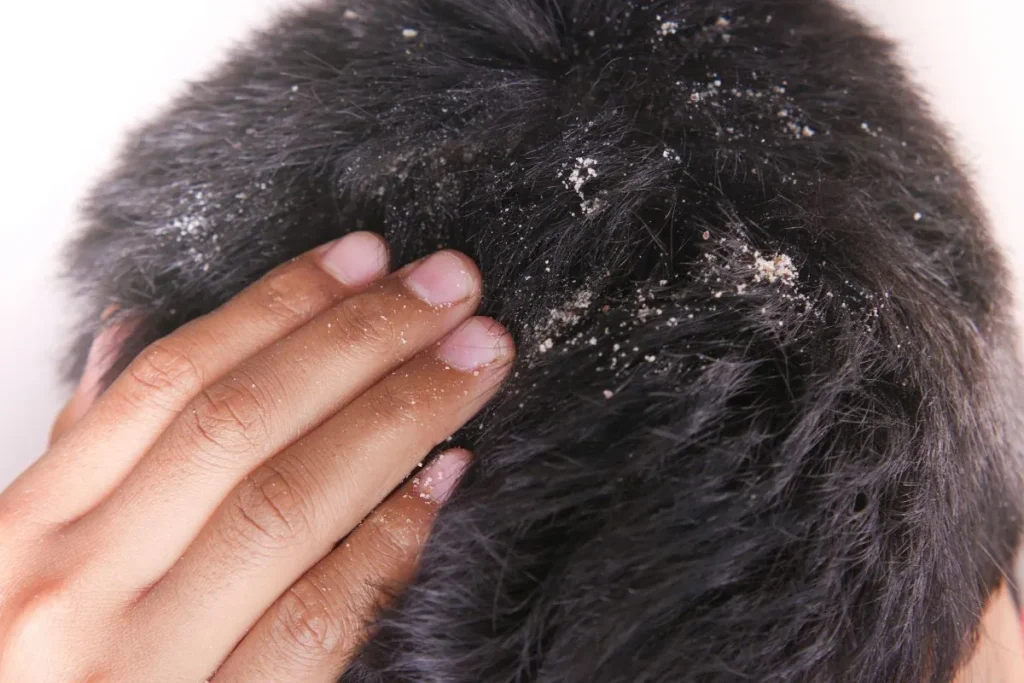
Red spots on the scalp can signal several health issues, like inflammation or infections. These spots might itch, hurt, or just bother your looks. Knowing why they happen is key to fixing them.
Psoriasis and Scalp Inflammation
Psoriasis is a long-term condition that affects about 2% of people worldwide. It makes red, scaly patches on the scalp for 50% of those with it. Scalp psoriasis can itch and hurt, and might even cause hair loss. The exact reason for psoriasis isn’t known, but it’s thought to be linked to an immune system problem.
Seborrheic Dermatitis and Yeast Overgrowth
Seborrheic dermatitis is a long-term skin issue that causes red spots on the scalp because of too much Malassezia yeast. It makes the scalp red and itchy, with white or yellow scales. It can be treated with special shampoos and creams that fight the yeast and reduce swelling.
Folliculitis and Bacterial Infections
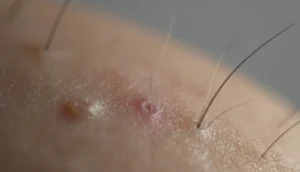
Folliculitis is when hair follicles get inflamed, often from bacteria or fungus. This can cause red, itchy bumps or pustules on the scalp. Bacterial folliculitis needs antibiotics, while fungal folliculitis needs antifungal meds.
Fungal Infections and Tinea Capitis
Fungal infections, like tinea capitis (ringworm of the scalp), can also cause red spots. Tinea capitis is contagious and needs antifungal treatment. It shows as red, circular patches on the scalp, with hair loss and scaling. Quick treatment is vital to avoid lasting damage and infection spread.
Knowing the cause of red spots on the scalp is important for the right treatment. Whether it’s psoriasis, seborrheic dermatitis, folliculitis, or a fungal infection, each needs a specific way to manage symptoms and stop it from coming back.
How to Identify Different Types of Scalp Red Spots
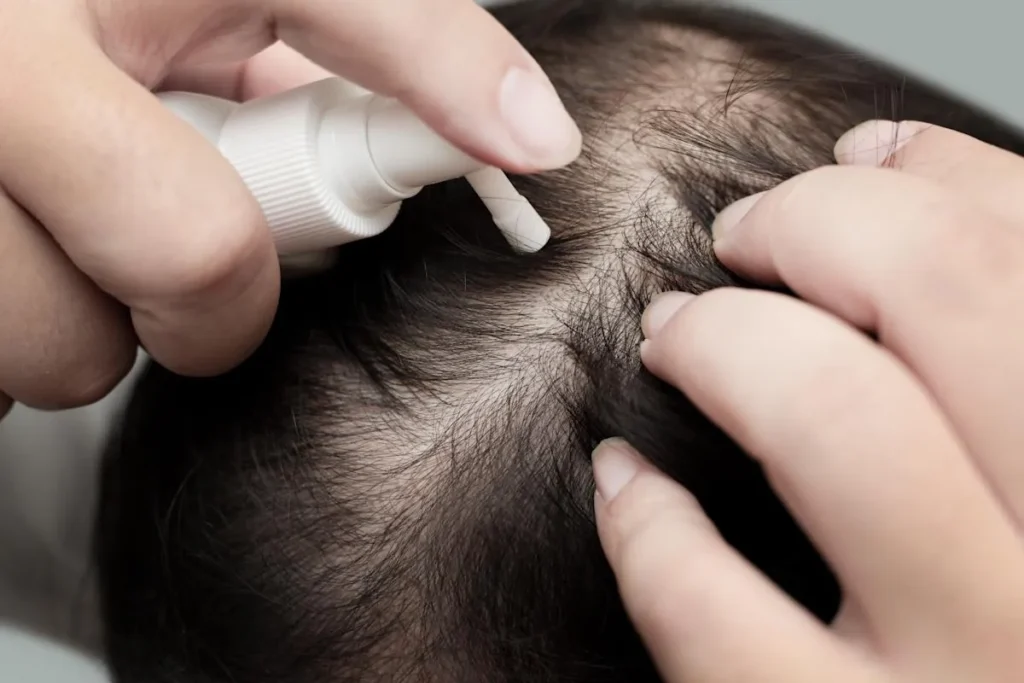
To figure out why you have red spots on your scalp, look at how they look and any symptoms you have. The way these spots appear can tell you a lot about what’s causing them.
Appearance and Location Characteristics
The look and where red spots on the scalp are can change a lot based on the problem. For example, psoriasis shows up as thick, silvery scales on red patches, often on elbows, knees, or scalp.
Seborrheic dermatitis looks like greasy yellow scales on the scalp, with redness and itching. Knowing these differences is key to figuring out what’s going on.
Associated Symptoms: Itching, Pain, and Scaling
Symptoms like itching, pain, and scaling can also help find the cause of red spots on the scalp. For example, seborrheic dermatitis and psoriasis often cause itching and scaling.
Folliculitis might make painful red bumps or pustules around hair follicles, if it’s from a bacterial infection.
Red Spots with Hair Loss Concerns
Red spots on the scalp can sometimes lead to hair loss, which is worrying. Alopecia areata can cause patchy hair loss with redness and swelling.
Fungal infections like tinea capitis can also cause hair loss, redness, and scaling. Finding out what’s causing it is key to treating it right.
Distinguishing Between Common Conditions
Figuring out what’s causing red spots on the scalp needs a close look at the spots and any symptoms. Knowing what different conditions look like helps you identify the problem.
If the spots are itchy and scaly, they might be from psoriasis or seborrheic dermatitis. But if they’re painful and you’re losing hair, it could be a fungal infection or folliculitis.
Effective Treatments for Red Spots on Scalp
Red spots on the scalp can be treated with various methods. These include medicated shampoos and prescription drugs. The right treatment depends on the cause and how bad it is.
İlaçlı Şampuanlar ve Topikal Çözümler
For mild red spots, try over-the-counter medicated shampoos first. Ingredients like coal tar, salicylic acid, and zinc pyrithione help. They reduce inflammation and fight off infections.
Key Ingredients in Medicated Shampoos:
Coal Tar: Helps reduce scaling and inflammation.
Salicylic Acid: Exfoliates the scalp, reducing flaking.
Zinc Pyrithione: Controls yeast growth and reduces inflammation.
Prescription Treatments for Severe Cases
If OTC treatments don’t work, you might need prescription drugs. These include corticosteroids for inflammation, antifungal meds for fungal infections, or antibiotics for bacterial ones.
Home Remedies and Natural Approaches
Medical treatments aren’t the only option. Home remedies and natural methods can also help. Apple cider vinegar, tea tree oil, and coconut oil are good examples. They can soothe symptoms and improve scalp health.
Benefits of Natural Remedies:
Apple Cider Vinegar: Balances scalp pH, reducing irritation.
Tea Tree Oil: Antifungal and antibacterial properties.
Coconut Oil: Moisturizes the scalp, reducing flaking and itching.
Prevention Strategies for Recurring Issues
To stop red spots from coming back, keep your scalp clean. Wash it regularly with the right shampoo. Avoid harsh chemicals and manage stress.
Prevention Tips:
Regularly wash your scalp with a gentle shampoo.
Avoid using harsh chemicals on your hair.
Manage stress through relaxation techniques.
Conclusion: When to Seek Medical Attention
Red spots on the scalp can come from many things, like psoriasis or seborrheic dermatitis. Knowing what’s causing them is key to treating them right. If home treatments and over-the-counter meds don’t help, or if symptoms get worse, see a doctor.
A tender red spot on your scalp or painful ones might mean an infection or inflammation. If you see red spots and hair loss, get medical help fast. A doctor can help figure out what’s wrong and how to treat it.
If you see signs of infection like more redness, swelling, or pus, get help right away. A doctor can check it out and suggest the right treatment. Knowing when to go to the doctor helps manage scalp red spots and avoid bigger problems.
SSS
Common Causes of Red Spots
Red spots on the scalp are frequently caused by scalp acne, which occurs when hair follicles become clogged with oil and dead skin cells. Other common culprits include seborrheic dermatitis, which presents as red and scaly patches, or folliculitis, an inflammation of the hair follicles often triggered by bacterial or fungal infections.
Painful Red Spots on the Scalp
A red spot that feels painful or tender to the touch is often a sign of an inflamed hair follicle or a developing scalp boil. If the spot feels warm or looks swollen, it may indicate a localized infection that requires gentle cleansing and avoidance of further irritation from hair styling or scratching.
Identifying Scalp Spots
You can identify the type of red spot by checking for accompanying symptoms like extreme itchiness, which often points to an allergic reaction or head lice. If the spots are crusty and oily, they are likely seborrheic dermatitis, whereas small, pus-filled bumps usually indicate folliculitis or scalp-specific acne.
Seriousness of Red Spots
In most cases, red spots on the scalp are benign skin conditions that resolve with proper hygiene or topical treatments. However, if a spot is persistent, changing in shape, or bleeding, it should be evaluated by a professional to rule out more serious issues like scalp psoriasis or rare forms of skin cancer.
Treatment Options for Scalp Spots
Treatment options vary depending on the cause but often include medicated shampoos containing ketoconazole for fungus or salicylic acid for exfoliating clogged pores. For spots caused by bacterial infections, a doctor may prescribe topical or oral antibiotics to reduce inflammation and clear the skin more effectively.
Preventing Red Spots
Preventing red spots involves maintaining a consistent scalp hygiene routine and avoiding the buildup of heavy hair styling products that can clog pores. It is also helpful to clean hair brushes regularly and avoid sharing hats or towels to minimize the risk of spreading fungal or bacterial irritants.
Home Remedies for Scalp Spots
Soothing home remedies include applying diluted tea tree oil for its natural antimicrobial properties or using a cool compress to reduce localized redness and swelling. Rinsing the scalp with a diluted apple cider vinegar solution can also help restore the skin’s natural pH and alleviate mild itching and irritation.
Red Spots and Hair Loss
Persistent red spots and inflammation can lead to temporary hair loss if the hair follicles become too damaged to support growth. Conditions like severe folliculitis or scalp psoriasis can cause hair to thin or fall out in the affected areas, though the hair typically regrows once the underlying inflammation is successfully treated.
When to Seek Medical Help
You should seek medical attention if the red spots are spreading rapidly, oozing fluid, or accompanied by a fever and swollen lymph nodes in the neck. Professional advice is also necessary if over-the-counter treatments fail to show improvement after two weeks or if the spots are causing significant pain and hair thinning.
Referanslar
National Center for Biotechnology Information. Evidence-Based Medical Insight. Retrieved from https://pmc.ncbi.nlm.nih.gov/articles/PMC12136549/