Metoprolol is a common beta-blocker for high blood pressure, heart failure, and chest pain. Some people taking metoprolol have reported hair loss. Though rare, cases of reversible alopecia have been seen in people using it.
Does high blood pressure cause hair loss? Discover the truth about hypertension, medications, and how they impact your hair health today.
There are two types of metoprolol: tartrate and succinate. Knowing how beta blockers might affect hair is important. This guide will look into the link between metoprolol and hair loss, including possible reasons and how to manage it.
Önemli Çıkarımlar
Metoprolol is a beta-blocker medication used to manage heart health and blood pressure.
Hair loss is a possible side effect of metoprolol, though it’s rare.
Rare cases of reversible alopecia have been reported in individuals taking metoprolol.
Understanding the connection between metoprolol and hair loss is essential for informed decision-making.
Management options are available for individuals experiencing hair loss while taking metoprolol.
Understanding Metoprolol and Its Uses

Metoprolol is a beta-blocker used to treat high blood pressure and heart failure. It works by making the heart beat slower and with less force. This reduces the workload on the heart and opens up blood vessels.
What Is Metoprolol?
Metoprolol is a beta-blocker for heart conditions. It comes in two forms: metoprolol tartrate and metoprolol succinate. Metoprolol tartrate is for immediate release, and metoprolol succinate is for extended release, making it suitable for once-daily dosing.
Medical Expert, a cardiologist, says, “Metoprolol is key in managing heart diseases. It reduces the risk of heart problems.”
Common Medical Applications
Metoprolol treats several heart conditions, including:
Hypertension (high blood pressure)
Angina (chest pain)
Heart failure
Improving survival after a heart attack (myocardial infarction)
Metoprolol is versatile in treating heart conditions. Its different release versions allow for customized treatment plans. These plans can be adjusted as needed for each patient.
Does Metoprolol Cause Hair Loss?
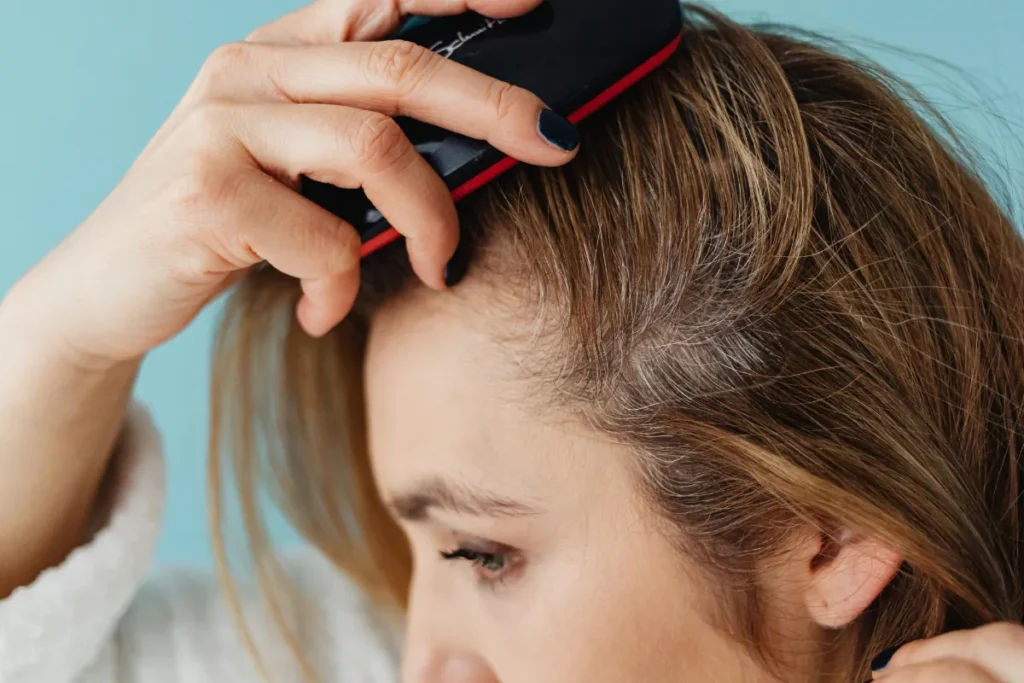
To figure out if metoprolol leads to hair loss, we need to look closely at studies and reports from after the drug was released. This is important for people thinking about or already taking this medicine.
Clinical Trial Data vs. Post-Market Reports
Studies on metoprolol show it’s safe and works well in a controlled setting. But, these studies might miss some side effects because they’re small and have specific rules. Hair loss wasn’t often seen in these early studies. Yet, after the drug was available, some people reported losing hair while taking it.
Post-market reports have helped find rare side effects like hair loss. These reports are not as strict as studies but show how the drug affects more people in real life.
Yaygınlık ve İstatistikler
How common hair loss is in metoprolol users isn’t clear because it’s rare and not always reported. But, studies and reports say hair loss usually goes away when the drug is stopped.
To understand the risk, we need to look at how often hair loss happens in people taking beta-blockers, like metoprolol. The studies show it’s not common but can vary between different drugs.
Other Beta-Blockers and Hair Loss Risk
Not all beta-blockers increase the risk of hair loss the same way. Some, like propranolol, are more likely to cause hair loss. Others have fewer side effects. The difference comes from how each drug works in the body.
Propranolol: More frequently associated with hair loss.
Atenolol: Less commonly linked to hair loss.
Metoprolol: Falls somewhere in between, with rare instances reported.
Knowing these differences is key for doctors and patients when picking a beta-blocker for heart conditions.
The Mechanism Behind Metoprolol-Related Hair Loss
Metoprolol can cause hair loss due to a condition called telogen effluvium. This condition affects the hair growth cycle. Knowing about it helps us understand how metoprolol leads to hair loss.
Understanding Telogen Effluvium
Telogen effluvium makes more hair follicles stop growing early. Normally, 10-15% of hairs are in this phase. But in telogen effluvium, this number goes up, causing more hair to fall out. This usually happens 2-4 months after starting a new drug like metoprolol.
Telogen effluvium can be caused by stress, hormonal changes, and some drugs. Metoprolol might disrupt the hair growth cycle, leading to more shedding.
Timeline and Pattern of Hair Shedding
Hair loss from telogen effluvium starts 2-4 months after starting metoprolol. It takes time for hair follicles to enter the resting phase and then shed. Patients often notice a lot of hair loss when washing or combing their hair.
The hair loss is usually all over the scalp, not just in spots. This can be scary, but it’s often temporary and goes away once the cause is fixed.
Factors That May Increase Risk
Some things can make hair loss from metoprolol more likely. These include:
Pre-existing hair loss conditions
Stress or big life changes
Hormonal imbalances
Other drugs that can cause hair loss
Nutritional deficiencies
Knowing these risk factors helps doctors and patients see who might lose more hair on metoprolol.
Conclusion: Managing Hair Loss While Taking Metoprolol
Hair loss from metoprolol is usually temporary and goes away once you stop taking it. Hair follicles start growing normally again.
If you’re losing hair from metoprolol, talking to a doctor is key. They can give you advice on how to deal with hair loss. They might also suggest other medications that don’t cause as much hair loss.
Trying things like eating right and massaging your scalp can help with hair loss. Sometimes, switching to a different medication can even help your hair grow back.
Handling hair loss while on metoprolol needs a full plan. Knowing why it happens and looking at all your options can help you deal with it better.
SSS
Is it possible to grow your hair faster
Hair growth can be supported but not drastically accelerated; healthy habits and treatments may optimize growth
What is the average rate of hair growth
Hair grows about 0.5 inches (1.25 cm) per month or roughly 6 inches per year
Can genetics affect hair growth
Yes, genetics influence growth rate, thickness, and overall hair density
Are there any medically proven treatments for hair growth
Yes, minoxidil, finasteride (for men), PRP therapy, and certain nutritional supplements have evidence for promoting growth
Can scalp massage promote hair growth
Yes, scalp massage increases blood flow to follicles, supporting growth and thickness
How can I accelerate hair growth naturally
Maintain balanced diet, manage stress, avoid heat/chemical damage, use gentle care, and keep scalp healthy
Can you make hair grow faster with diet and nutrition
Yes, nutrients like protein, iron, zinc, biotin, vitamins A, C, D, and omega‑3s support healthy hair growth
Are there any styling tips that can help prevent breakage and loss
Avoid tight hairstyles, excessive heat, harsh chemicals, and rough brushing; use protective styles and gentle detangling
How can I implement a complete hair growth strategy
Combine proper diet, hair care routine, scalp stimulation, supplements if needed, and medical treatments under professional guidance
Can hair growth be sped up
Growth can be optimized but not dramatically sped up; focus on minimizing breakage and supporting follicle health
Referanslar
Ulusal Biyoteknoloji Bilgi Merkezi. Kanıta Dayalı Tıbbi Öngörü. Erişim adresi https://pubmed.ncbi.nlm.nih.gov/7318502/[1