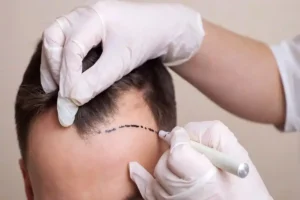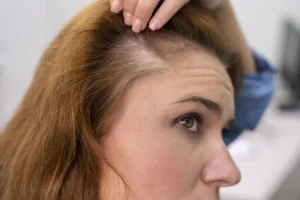
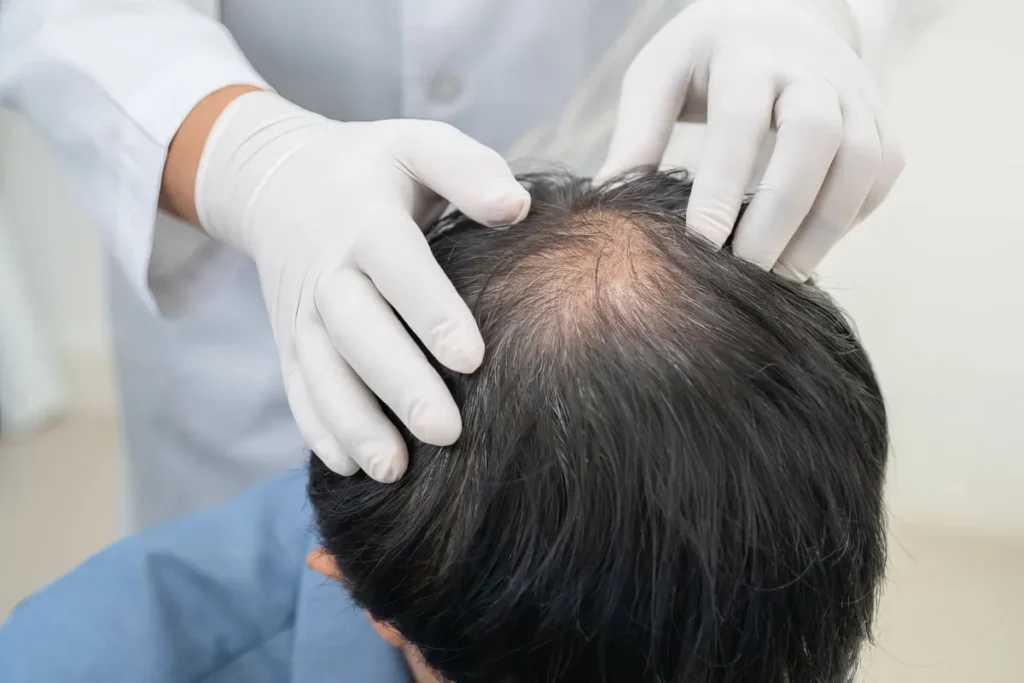
Hair loss can be upsetting, and it’s often caused by medication. If you’re taking metoprolol for heart health and notice more hair falling out, you’re not alone. Many drugs can cause hair loss, affecting your scalp or body.
Does propranolol cause hair loss? Learn the amazing truth and find powerful, incredible ways to stop scary thinning while on your medicine.
The amount and length of hair loss vary based on the drug and how much you take. Medical News Today says some drugs can cause a lot of hair loss. Knowing which drugs can do this is key to managing and possibly fixing the problem.
Önemli Çıkarımlar
Drug-induced alopecia can be caused by various medications, including those used for heart health and blood pressure control.
The extent of hair loss depends on the type of medication and dosage.
Certain medications can affect any part of the scalp or body.
Understanding the cause of hair loss is critical for managing the condition.
Reversibility and management options are available for drug-induced hair loss.
Understanding Medication-Induced Hair Loss
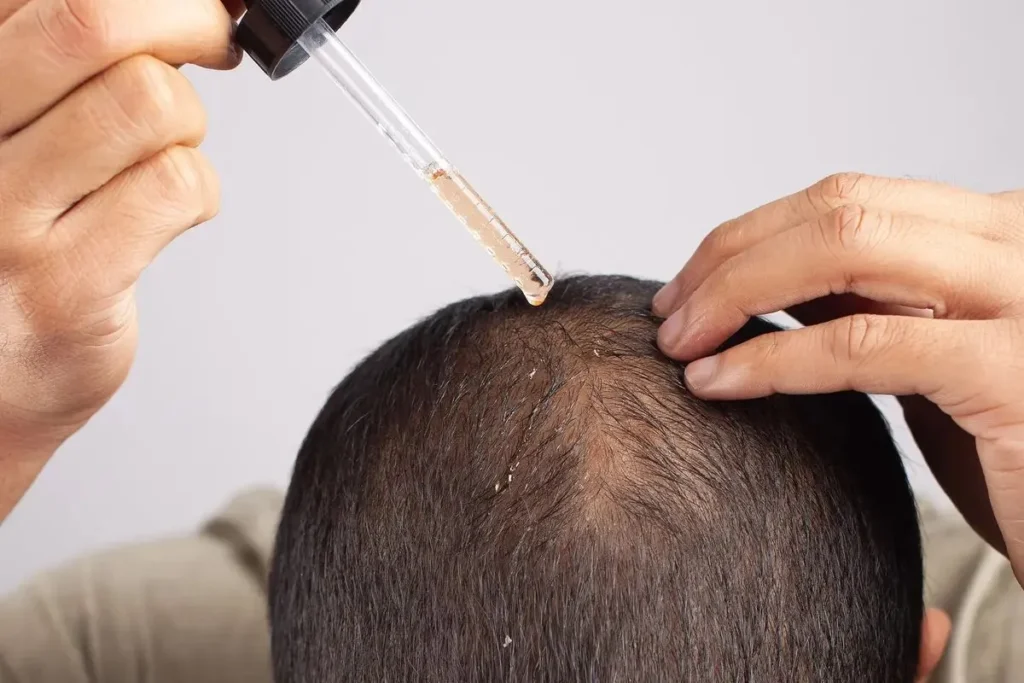
Many people lose hair because of their medicine. But why it happens isn’t always clear. Knowing the causes is key to managing and possibly fixing the problem.
Telogen Effluvium vs. Patchy Hair Loss
There are different hair loss types linked to medicine. Telogen effluvium is common, causing thinning all over the scalp. It happens when many hair follicles stop growing and rest, leading to a lot of hair falling out.
Patchy hair loss, or alopecia areata, is when hair falls out in spots. It can be caused by stress, autoimmune diseases, and some medicines.
How Medications Disrupt the Hair Growth Cycle
The hair growth cycle has three phases: growth, transitional, and resting. Medicines can mess with this cycle, causing hair loss. For example, some drugs can push more hair follicles into the resting phase, causing telogen effluvium.
It’s important to understand how medicines affect hair growth. This helps find the cause of hair loss and find ways to stop it. By knowing how certain medicines impact hair, people can work with doctors to change their treatment and reduce hair loss.
Does Propranolol Cause Hair Loss? Beta-Blockers and Alopecia
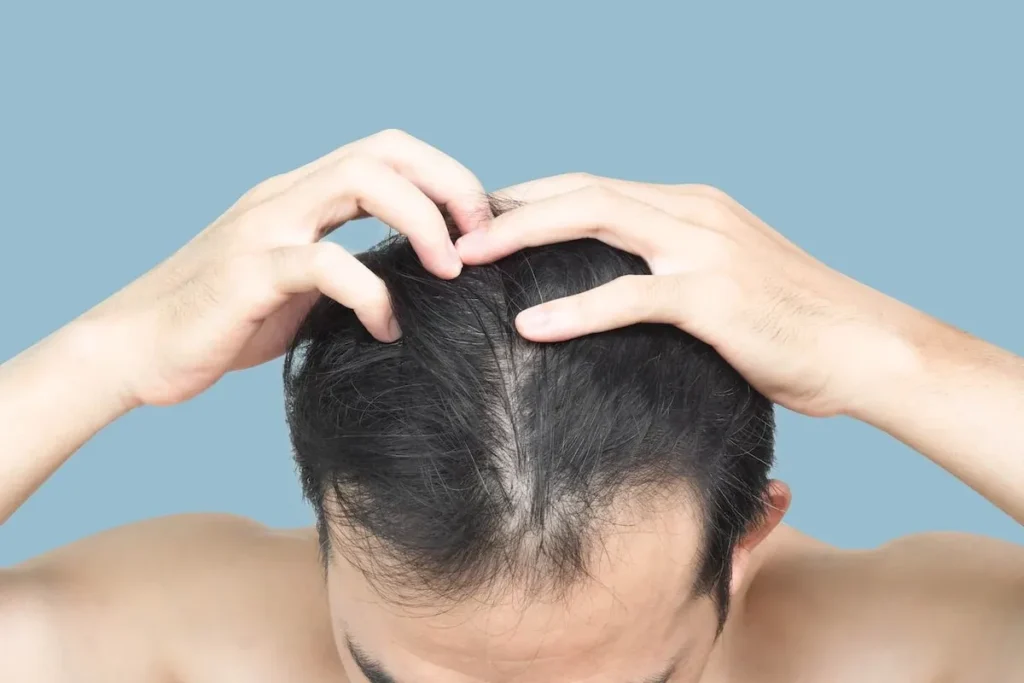
Hair loss is a side effect of beta-blockers like propranolol. This includes metoprolol, atenolol, and carvedilol. These drugs are used to treat high blood pressure and heart issues.
Mechanism of Hair Loss in Beta-Blocker Users
Beta-blockers can mess up the hair growth cycle. This leads to telogen effluvium, where more hair follicles than usual stop growing. This can cause noticeable hair loss.
The exact way beta-blockers cause hair loss is complex. One theory is that they reduce blood flow to the scalp. This might contribute to hair loss.
Timeline and Prevalence of Hair Shedding
Hair loss from beta-blockers can happen at any time. But it’s more common in the first few months. The amount of hair loss varies among users.
It’s important for patients to know about this side effect. They should talk to their doctor about it.
Comparing Hair Loss Risk: Propranolol, Metoprolol, Atenolol, and Carvedilol
Different beta-blockers have different risks of hair loss. Here’s a table comparing the risks of propranolol, metoprolol, atenolol, and carvedilol:
The table shows that all these beta-blockers can cause hair loss. But the risk is different. Propranolol and carvedilol have a moderate risk. Metoprolol and atenolol have a lower risk.
Knowing about hair loss can help patients and doctors make better choices.
Other Common Medications That Cause Hair Loss
Hair loss is a side effect of many medications. This includes treatments for high blood pressure and psychiatric conditions. Beta-blockers are one example, but other drugs can also lead to hair loss.
Blood Pressure Medications Beyond Beta-Blockers
Other blood pressure drugs can also cause hair loss. ACE inhibitors, for instance, can lead to hair thinning in some people.
A study in the Journal of Clinical Hypertension found a link between some blood pressure drugs and hair loss. The frequency of this side effect varies.
Journal of Clinical Hypertension
Psychiatric Medications and Hair Thinning
Psychiatric drugs, like antidepressants and mood stabilizers, can cause hair thinning. Hormonal changes often play a role in this.
A study in the Journal of Clinical Psychopharmacology found antidepressants increase hair loss risk in women.
Pain Medications and Their Impact on Hair
Pain drugs, such as nonsteroidal anti-inflammatory drugs (NSAIDs), can also lead to hair loss. The evidence is not as clear as for other drugs.
NSAIDs: occasional reports of hair loss
Opioids: rare association with hair loss
Corticosteroids: can cause hair loss with long-term use
In conclusion, many drugs beyond beta-blockers can cause hair loss. It’s vital to watch for hair health when starting new medications.
Conclusion: Managing and Reversing Medication-Related Hair Loss
Experiencing hair loss due to medication can be upsetting. But, there are steps you can take to manage and possibly reverse it. It’s important to talk to your healthcare provider. They can adjust your medication or suggest other treatments that might help your hair.
Living a healthy lifestyle is also key. Eating a balanced diet full of nutrients, managing stress, and getting enough vitamins and minerals can help your hair grow back. Foods rich in omega-3 fatty acids, zinc, and biotin are great for your hair.
In some cases, treatments like minoxidil or low-level laser therapy might be suggested. Always talk to your healthcare provider about these options. They can help you find the best way to deal with your hair loss.
Knowing why you’re losing your hair and acting on it can help you take back control. If medication is causing your hair loss, don’t wait to get professional advice. There are ways to manage and reverse it.
SSS
Is it possible to grow your hair faster
Hair growth can be supported but not drastically accelerated; healthy habits and treatments may optimize growth
What is the average rate of hair growth
Hair grows about 0.5 inches (1.25 cm) per month or roughly 6 inches per year
Can genetics affect hair growth
Yes, genetics influence growth rate, thickness, and overall hair density
Are there any medically proven treatments for hair growth
Yes, minoxidil, finasteride (for men), PRP therapy, and certain nutritional supplements have evidence for promoting growth
Can scalp massage promote hair growth
Yes, scalp massage increases blood flow to follicles, supporting growth and thickness
How can I accelerate hair growth naturally
Maintain balanced diet, manage stress, avoid heat/chemical damage, use gentle care, and keep scalp healthy
Can you make hair grow faster with diet and nutrition
Yes, nutrients like protein, iron, zinc, biotin, vitamins A, C, D, and omega‑3s support healthy hair growth
Are there any styling tips that can help prevent breakage and loss
Avoid tight hairstyles, excessive heat, harsh chemicals, and rough brushing; use protective styles and gentle detangling
How can I implement a complete hair growth strategy
Combine proper diet, hair care routine, scalp stimulation, supplements if needed, and medical treatments under professional guidance
Can hair growth be sped up
Growth can be optimized but not dramatically sped up; focus on minimizing breakage and supporting follicle health
Referanslar
Ulusal Biyoteknoloji Bilgi Merkezi. Kanıta Dayalı Tıbbi Öngörü. Erişim adresi https://pubmed.ncbi.nlm.nih.gov/10798824/