Seborrheic dermatitis, also known as cradle cap, is a chronic skin condition. It affects millions of people around the world.
This condition shows up as white or yellow scaly patches and greasy skin lesions. It can cause discomfort and make people feel embarrassed. About 1 to 3 percent of the population has it, with more men affected.
The Malassezia fungus is thought to contribute to seborrheic dermatitis. Knowing what causes and symptoms are important for managing it well.
Önemli Çıkarımlar
Seborrheic dermatitis is a chronic inflammatory skin condition.
It affects approximately 1 to 3 percent of the general population.
The condition is characterized by scaly patches and greasy skin lesions.
The Malassezia fungus contributes to the development of seborrheic dermatitis.
Effective management requires understanding the causes and symptoms.
Understanding Cradle Cap in Adults

Seborrheic dermatitis, also known as cradle cap in adults, is a chronic skin condition. It needs proper understanding for effective management. It’s marked by white or yellow scaly patches and greasy skin lesions.
What Is Seborrheic Dermatitis?
Seborrheic dermatitis affects oily parts of the body, like the scalp, face, and torso. It’s not contagious but can cause discomfort and aesthetic concerns.
Common Symptoms and Affected Areas
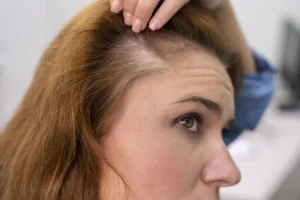
Common symptoms include redness, itching, and flaking skin. It often affects the scalp but can also appear on the face, ears, and chest. In some cases, seborrheic dermatitis can even occur on the hands.
The Role of Malassezia Fungus
The Malassezia fungus is found on the skin and contributes to seborrheic dermatitis. Research shows it’s present in over 80% of cases. This suggests a strong link between the fungus and the condition.
Understanding the Malassezia fungus’s role is key to developing effective treatments. These treatments aim to target the root cause of seborrheic dermatitis.
Effective Treatment Options for Adult Cradle Cap
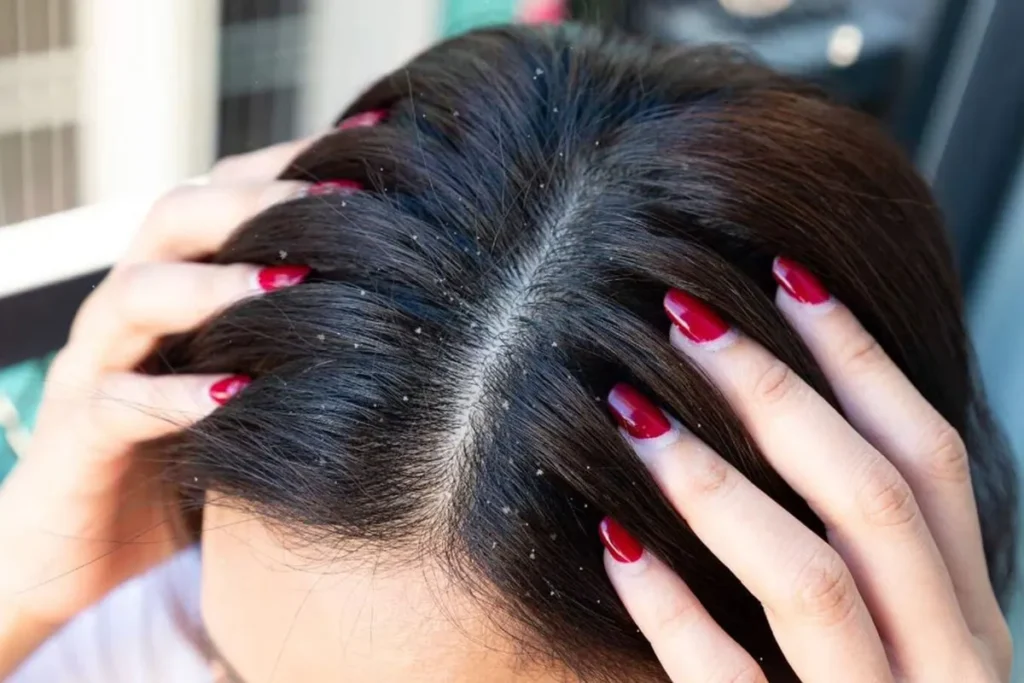
Treating adult cradle cap requires a mix of medicated shampoos, antifungal treatments, and keeping the scalp clean. Knowing the treatment options is key to managing seborrheic dermatitis well.
Medicated Shampoos and Solutions
Medicated shampoos are a mainstay in treating adult cradle cap. Ingredients like salicylic acid and ketoconazole are effective. Salicylic acid removes scales and reduces inflammation. Ketoconazole fights the Malassezia fungus that causes the condition.
Other antifungal agents, like lotrimazole, can also treat seborrheic dermatitis. Using these medicated shampoos with other treatments can improve results.
Treatment Frequency and Maintenance
How often to use medicated shampoos depends on the condition’s severity. Daily use may be needed at first, then reduce as symptoms lessen. Keeping up with treatment is important to avoid flare-ups.
Managing Seborrheic Dermatitis Beyond the Scalp
Seborrheic dermatitis can also affect the face, ears, and chest. Using antifungal creams or lotions in these areas helps manage it. Keeping these areas clean and using gentle skincare products can also help prevent flare-ups.
Ne Zaman Bir Dermatoloğa Görünmeli
If symptoms don’t get better or get worse with over-the-counter treatments, see a dermatologist. A dermatologist can create a personalized treatment plan. This might include stronger medicated shampoos or other treatments.
Conclusion: Long-Term Management Strategies
Seborrheic dermatitis is a chronic condition that needs ongoing care. To manage it well, you need both treatment and lifestyle changes. Using a medicated shampoo or solution as directed can help control symptoms.
Making lifestyle changes for seborrheic dermatitis, like reducing stress and avoiding harsh hair products, can also help manage the condition. Keeping the scalp moisturized is key; using a gentle moisturizer for seborrheic dermatitis can help prevent dryness and irritation.
To keep the scalp moisturized with seborrheic dermatitis, it’s essential to use a gentle, non-comedogenic moisturizer that won’t clog pores. Regularly washing the scalp with a medicated shampoo can also help control the Malassezia fungus that contributes to the condition.
By adopting these long-term management strategies, individuals with seborrheic dermatitis can effectively control their symptoms and improve their quality of life. Consistent treatment and lifestyle adjustments are key to managing seborrheic dermatitis management.
SSS
What is the difference between cradle cap and seborrheic dermatitis?
Cradle cap is a mild form of seborrheic dermatitis that occurs in infants, causing flaky, greasy patches on the scalp, while seborrheic dermatitis can affect all ages and may appear on other oily areas of the body.
Can seborrheic dermatitis be cured?
There is no permanent cure, but it can be managed effectively with treatment and proper scalp care.
Is salicylic acid effective for treating seborrheic dermatitis?
Yes, salicylic acid helps remove scales and flakes, often used in medicated shampoos for symptom relief.
How often should I use a medicated shampoo for seborrheic dermatitis?
Typically 2–3 times a week, but frequency depends on severity and product instructions.
Can seborrheic dermatitis occur on parts of the body other than the scalp?
Yes, it can appear on oily areas like the face, eyebrows, chest, and back.
Are antifungal treatments effective for seborrheic dermatitis?
Yes, antifungal shampoos and creams can reduce yeast overgrowth, which helps control symptoms.
What lifestyle changes can help manage seborrheic dermatitis?
Maintain scalp hygiene, reduce stress, avoid harsh hair products, and eat a balanced diet to support skin health.
Can lotrimazole be used to treat seborrheic dermatitis?
Lotrimin (clotrimazole) may help in some cases as an antifungal cream, but it’s less common for scalp use compared to medicated shampoos.
How can I keep my scalp moisturized with seborrheic dermatitis?
Use lightweight, non-irritating oils or conditioners, avoid harsh shampoos, and moisturize regularly to reduce dryness and flaking.
Is cradle cap in adults contagious?
No, cradle cap and seborrheic dermatitis are not contagious.
Referanslar
Ulusal Biyoteknoloji Bilgi Merkezi. Kanıta Dayalı Tıbbi Öngörü. Erişim adresi https://pubmed.ncbi.nlm.nih.gov/14678527/