
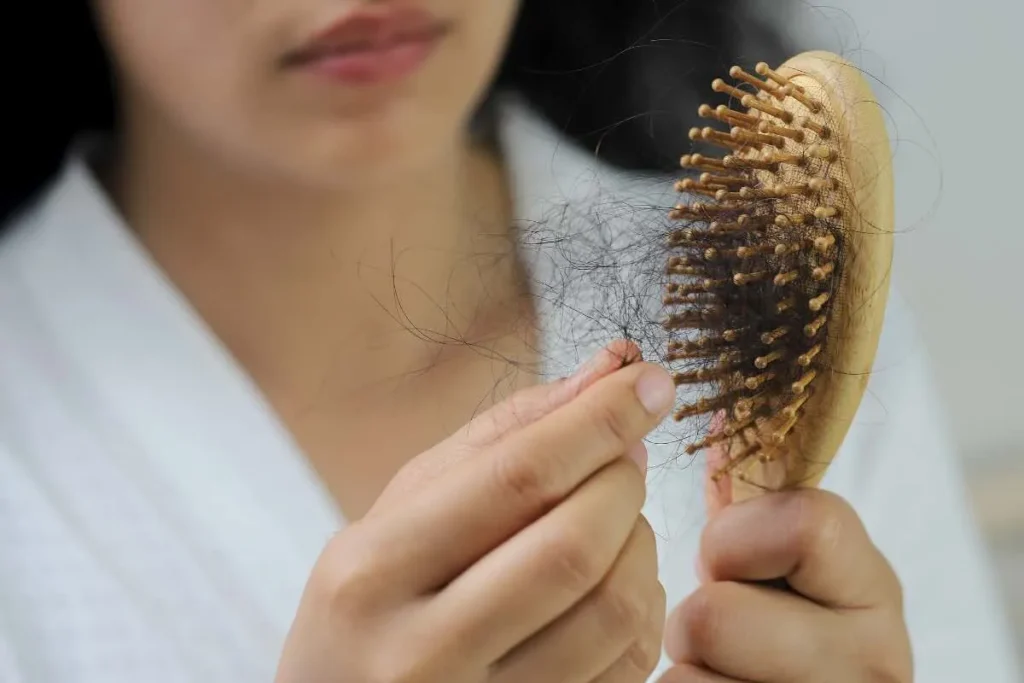
Experiencing hair loss in your late teens or early twenties can be upsetting. But, you’re not alone. Studies show that about 25% of men see the first signs of male pattern baldness before they turn 21. Early hair loss is more common than many think, challenging the idea that baldness only affects older men.
It’s important to understand why you might be losing hair early. Things like genetic predisposition, hormonal imbalances, and androgenetic alopecia are big factors. Knowing the early signs and looking into proven treatments can help you manage your hair health.
Önemli Çıkarımlar
Early hair loss affects a significant number of young men, with about 25% noticing the first signs before age 21.
Genetic predisposition, hormonal factors, and androgenetic alopecia are key contributors to early hair loss.
Understanding the causes and recognizing early warning signs are critical for addressing hair loss.
Evidence-based treatment options are available to help manage and potentially reverse hair loss.
Maintaining confidence and taking control of hair health is possible with the right knowledge and treatment.
The Reality of Early Hair Loss: Statistics and Prevalence
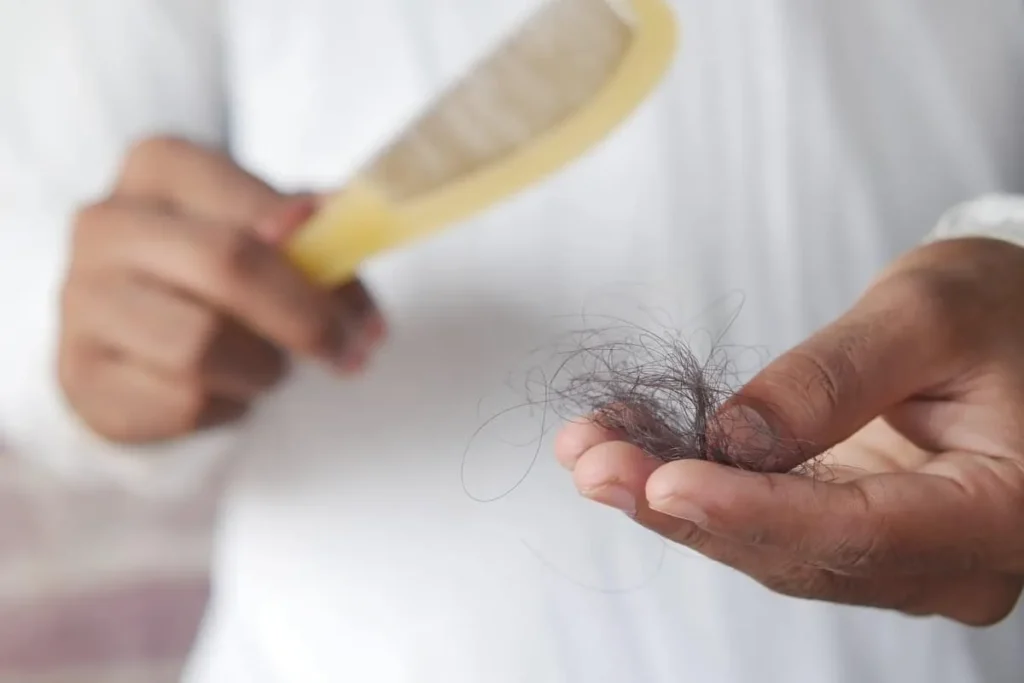
Early hair loss is a big worry for young men. Many start losing hair before they’re 21. This is a common problem that raises many questions.
Research shows that a lot of young men face hair loss early on. This is a reality that many are dealing with.
16% of Young Men Experience Moderate to Extensive Hair Loss
About 16% of young men deal with significant hair loss. This number shows how common the issue is. It also points to the need for more awareness.
First Signs Often Appear Before Age 21
Many young men first notice hair loss before 21. This can be due to genetics, hormones, or the environment.
A survey found that over 50% of cases of male pattern baldness start at the hairline. This is a common sign of hair loss.
Knowing these stats is important for young men with early hair loss. By understanding the problem, they can prepare and look into ways to manage it.
Understanding Balding at 20: Causes and Mechanisms
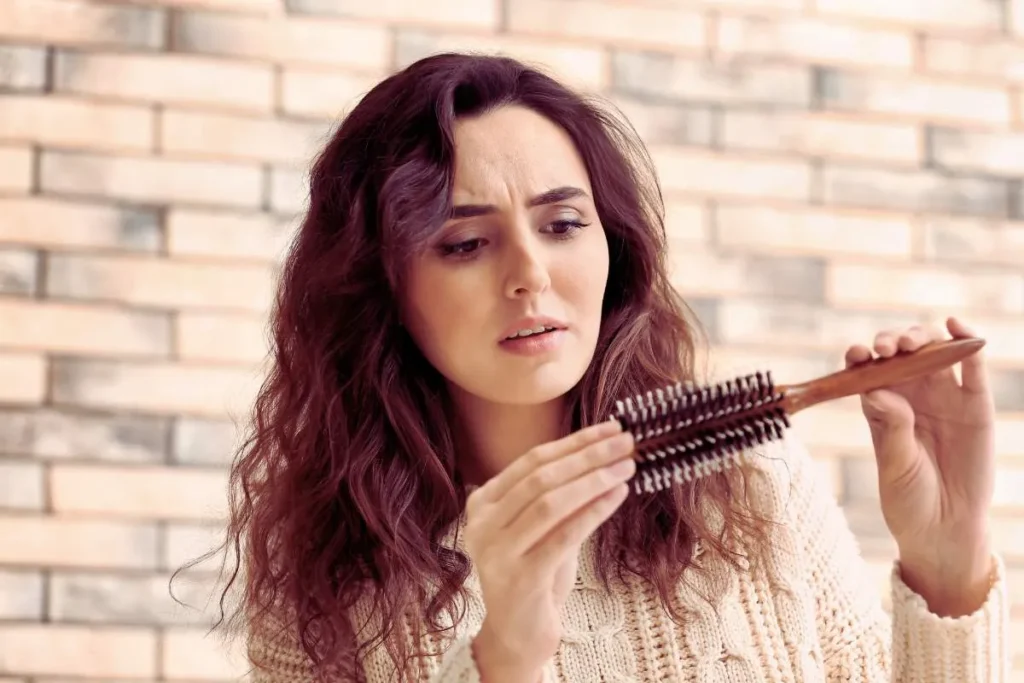
Balding at 20 is more than just a hair issue. It’s a condition that needs to be understood. Early hair loss comes from genetics, hormones, and the environment.
Androgenetic Alopecia: The Primary Cause
Androgenetic alopecia, or male/female pattern baldness, is common in young adults. It causes hair to thin gradually, mainly on the scalp. This happens because of testosterone turning into dihydrotestosterone (DHT).
DHT is a strong form of testosterone that affects hair follicles. It shortens the hair growth cycle and makes hairs thinner and shorter.
The Role of DHT and Hormonal Factors
Hormonal imbalance, like DHT, is key in androgenetic alopecia. The sensitivity of hair follicles to DHT differs among people. This affects when and how much they will lose hair.
More DHT can shrink hair follicles.
Changes in hormones during puberty, stress, or illness can make hair loss worse.
Genetic Predisposition to Early Hair Loss
Genetics are important in early balding. If your family members lost hair early, you might too.
Knowing why balding happens at 20 helps find ways to treat it. Options include medical treatments, lifestyle changes, or other methods. Fighting hair loss starts with understanding its causes.
Recognizing the Early Signs of Hair Loss
The start of balding can be hard to notice at first. But, there are clear signs to watch for. Catching hair loss early is key, as it lets you act fast.
Common Patterns: Receding Hairlines and Crown Thinning
Hair loss often shows up in certain ways. Receding hairlines start with a small pull back at the temples. Then, they get worse over time. Crown thinning means hair gets thinner at the top of your head.
Experts say these signs are often linked to androgenetic alopecia. This condition is caused by hormones and genetics. “The first signs of balding are hair thinning, mainly at the temples and crown,” a top dermatologist explains.
How Early Can Balding Begin?
Balding can start in late teens or early twenties for some. Genetics, hormonal issues, and lifestyle play a part. Knowing this helps you prevent hair loss.
If you’re balding at 20, you’re not alone. Many young men face hair loss. Spotting the signs early and getting help can manage it better.
Coping with Early Hair Loss: Treatment Options and Emotional Support
Experiencing hair loss at a young age can be really tough. But, there are many ways to manage it. If you’re balding at 20 or 18, knowing your options is key.
Doctors often prescribe minoxidil and finasteride to slow hair loss and boost growth. PRP therapy is also effective. It involves injecting platelet-rich plasma into your scalp to encourage hair to grow back.
Changing your lifestyle can also help. Eating well, reducing stress, and using gentle hair products are important. It’s vital for young people to find emotional support from experts or groups to deal with the emotional side.
Knowing when to start treatment and the average age for balding can help you act early. If you’re wondering why you’re losing hair at 20 or 18, talking to a dermatologist can offer great advice and treatment plans.
SSS
Main Cause of Balding at 20?
Genetics and DHT sensitivity cause follicle shrinkage in male pattern baldness.
Hair Loss Commonality in Young Men?
20-30% of men by age 20-30; up to 50% by 50.
Balding Starting at 18?
Yes, possible with strong genetics; temples or crown first.
Early Signs of Hair Loss?
Receding hairline, thinning crown, wider part, excess shedding.
Balding Speed?
Slow over years typically; faster with aggressive genes.
Balding Scalp Appearance?
M-shaped hairline, thinning crown, shiny “horseshoe” pattern.
Early Treatment Options?
Minoxidil, finasteride, laser therapy; early use maximizes results.
Why Bald at 20?
Genetic DHT reaction from family history triggers early loss.
Average Balding Start Age?
Mid-20s to 30s; often noticeable by 25.
Referanslar
Ulusal Biyoteknoloji Bilgi Merkezi. Kanıta Dayalı Tıbbi Öngörü. Erişim adresi https://www.ncbi.nlm.nih.gov/books/NBK278957/





