Do you have itching, flaky scales, or hair loss on your scalp? Fungal infections on the scalp are more common than you might think. They often happen in warm, humid places or after your hair stays wet for a long time.
Identify mold on scalp with scary signs and a powerful fix. Use amazing, incredible ways to heal your scalp and stop scary irritation fast.
It’s important to know the signs and causes of scalp mold and fungal infections. This helps treat them early and avoid damage to your hair follicles. The most common scalp fungal infection is called tinea capitis, or scalp ringworm.
At gold city hair, we use trusted medical knowledge and care that focuses on you. We diagnose and treat mold in hair and other scalp problems well.
Önemli Çıkarımlar
Fungal infections on the scalp are common, specially in warm and humid places.
Tinea capitis, or scalp ringworm, is a common condition that needs quick treatment.
Early treatment is key to avoid permanent damage to hair follicles.
Scalp mold and fungal infections can be well diagnosed and treated with the right medical care.
Knowing the causes and symptoms is important to manage these conditions.
Understanding Mold on Scalp
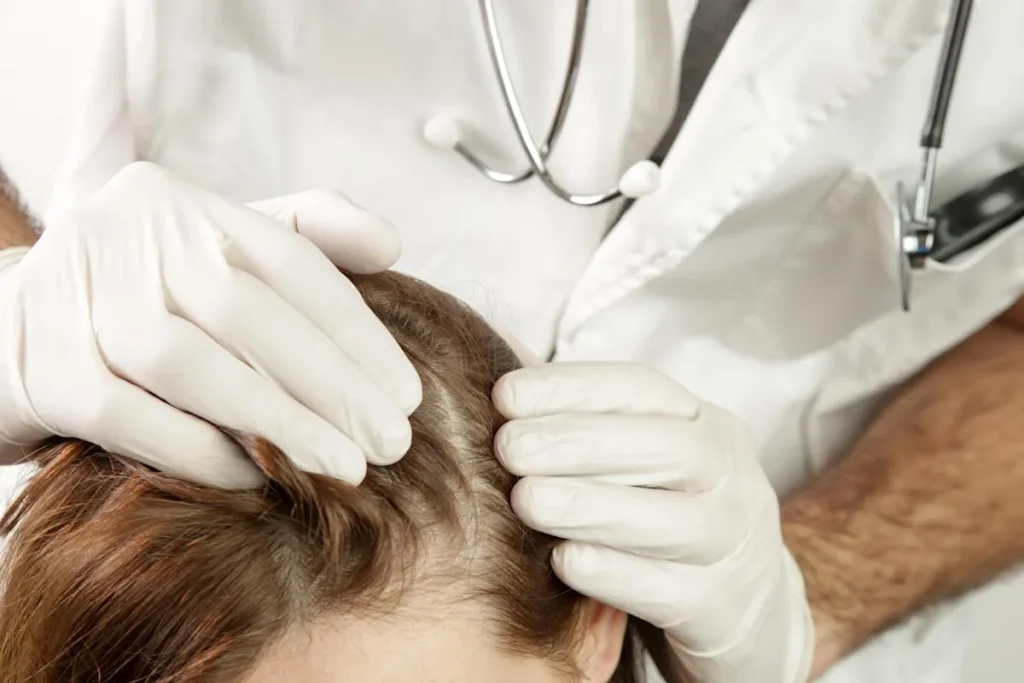
Tinea capitis, or scalp ringworm, is a contagious infection. It is caused by fungi that attack the scalp and hair. This condition is not from a worm but from dermatophytes, a fungus that eats keratin. Keratin is found in hair, skin, and nails.
What Is Tinea Capitis (Scalp Ringworm)?
Tinea capitis is a fungal infection that hits the scalp and hair shafts. It spreads easily through touch with infected people or things. Symptoms include itching, redness, and hair loss.
How Dermatophytes Affect Hair Follicles
Dermatophytes attack the hair shaft, causing inflammation and damage to hair follicles. This can lead to scaling, crusting, and pus on the scalp. If not treated, it can cause a lot of hair loss and spread to other body parts.
Signs and Symptoms of Scalp Fungal Infections
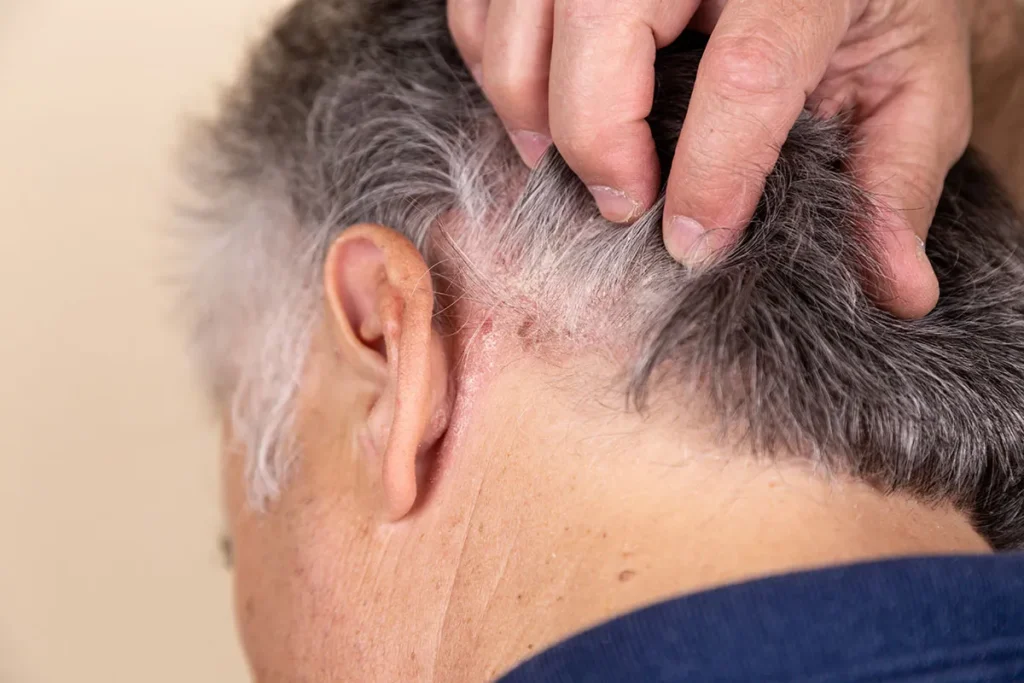
Knowing the signs of scalp fungal infections is key to treating them well. These infections, also known as tinea capitis, can show different symptoms. They can range from mild to severe.
Common Symptoms to Watch For
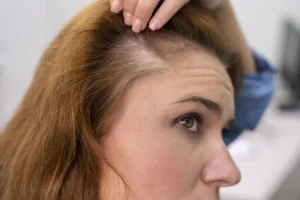
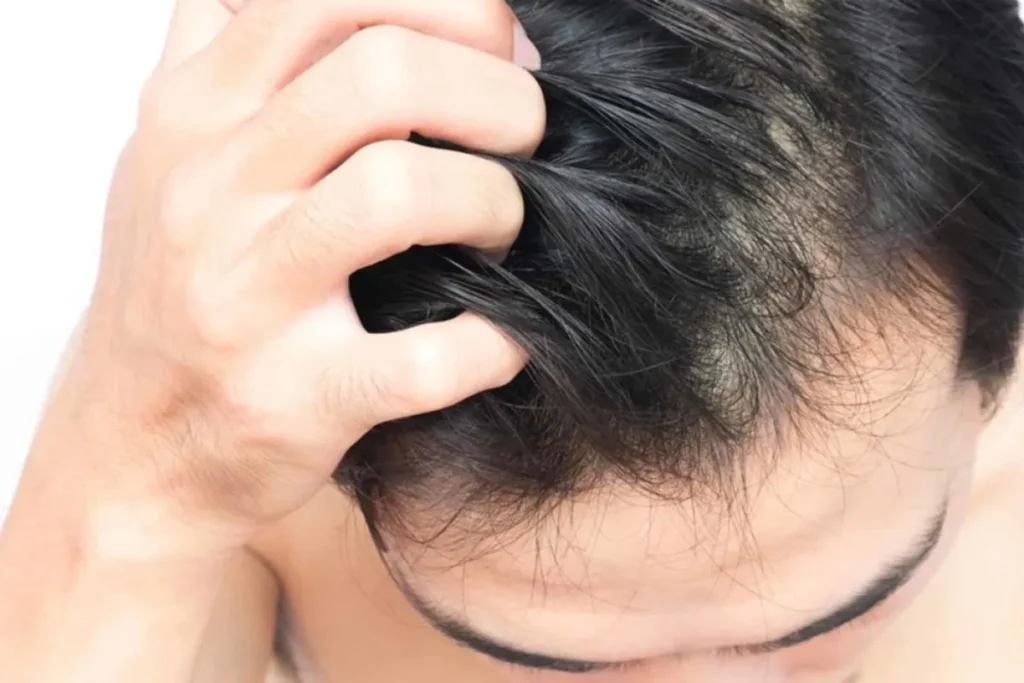
Look out for itching, white or yellow flakes, and red or purple patches on the scalp. Hair loss in round patterns is another sign. In serious cases, there might be painful nodules with pus.
As an expert says, “Finding these infections early is important for effective treatment.”
Mold vs. Dandruff: Important Distinctions
It’s important to tell mold symptoms apart from dandruff. Dandruff is usually a yeast problem, while mold is a fungus. Dandruff often has flakes without hair loss or swelling
Medical Expert, a dermatologist, warns, “Thinking dandruff is a fungus can delay treatment and make symptoms worse.” So, knowing the difference is critical for the right treatment.
Causes and Risk Factors for Scalp Mold
Scalp mold comes from a mix of environmental conditions and personal habits. Many factors can make you more likely to get this fungal infection.
Environmental Conditions That Promote Fungal Growth
High humidity and damp places can lead to scalp mold. Prolonged exposure to wet conditions helps fungi grow on your scalp.
Personal Habits That Increase Risk
Personal habits also play a big role in scalp mold. Poor scalp hygiene and sharing items can raise your risk. Also, pets that carry fungi can contribute to scalp mold.
Knowing these risk factors helps you lower your chance of getting scalp mold. Keep your scalp clean, don’t share personal items, and watch your environment.
Treatment and Prevention Strategies
Knowing how to treat and prevent scalp fungus is key. It’s about using medical treatments and home care together.
Medical Treatments for Scalp Fungus
Doctors often use oral antifungals and medicated shampoos to fight scalp fungus. Sometimes, they also prescribe topical corticosteroids to lessen inflammation.
Oral antifungals: These are given for serious infections and work from the inside.
Medicated shampoos: These shampoos cut down the fungus on your scalp.
Home Care and Prevention Methods
Stopping reinfection is important. Good hygiene is the way to do it.
Keep the scalp dry: Fungi grow in moisture.
Avoid sharing personal items: This lowers the chance of spreading the fungus.
Manage household humidity: A dehumidifier helps in damp places.
Dermatoloğa Ne Zaman Başvurulmalı
If your symptoms don’t get better or get worse, see a dermatologist. They can figure out what’s wrong and suggest the right treatment.
Understanding and Addressing Scalp Mold
Scalp mold and fungal infections can be managed with the right knowledge and treatment. Knowing the causes, like environmental conditions and personal habits, helps prevent them.
It’s important to recognize symptoms early, such as itching and redness. Treatment options include medical treatments and home care. These can be done daily to prevent and treat these issues.
Being aware of scalp mold and fungal infections is essential. Knowing the risks and taking steps to prevent them helps keep the scalp healthy.
SSS
Can you get mold in your hair from wet hair?
Mold doesn’t typically grow directly in hair, but leaving hair wet for prolonged periods can create a damp environment that encourages fungal or bacterial growth on the scalp.
What does mold in hair look like?
Visible mold in hair may appear as white, green, or black fuzzy spots, often accompanied by odor and scalp irritation.
Is hair mold a real medical condition?
Hair mold itself is rare; most cases involve fungal infections like tinea capitis or scalp yeast overgrowth rather than true mold growth on hair.
How do you treat mold on the scalp?
Treatment involves thoroughly washing hair and scalp, using antifungal shampoos or topical medications, and in severe cases, consulting a doctor for prescription antifungals.
Can dandruff be a sign of mold on the scalp?
Not usually; dandruff is generally caused by yeast overgrowth or dry scalp rather than mold, though excessive moisture can worsen fungal issues.
How can you prevent mold from growing on your scalp?
Keep hair and scalp dry, avoid leaving wet hats or towels on the head, wash hair regularly, and maintain good hygiene.
Can certain pets increase the risk of getting mold on the scalp?
Pets themselves don’t cause mold in hair, but they can carry fungi like Microsporum that may lead to scalp fungal infections.
When should you consult a dermatologist for scalp mold?
Consult a dermatologist if you notice persistent itching, redness, unusual patches, hair loss, or suspected fungal growth that doesn’t improve with regular washing.
Referanslar
Ulusal Biyoteknoloji Bilgi Merkezi. Kanıta Dayalı Tıbbi Öngörü. Erişim adresi https://pubmed.ncbi.nlm.nih.gov/20179119/