Bu anatomy of a hair follicle is a fascinating subject that reveals how each strand of hair is produced, nourished, and renewed. For anyone dealing with hair loss or simply curious about scalp health, knowing the structure and function of the follicle is essential. In fact, the average human scalp contains about 100,000 follicles, each acting as a tiny organ with its own blood supply and nerve connections. This article breaks down the key components of a follicle, explains the growth cycle, discusses factors that affect follicle health, and outlines modern solutions for restoring lost hair.
We will start by examining the basic layers that make up a follicle, then move on to the dynamic phases of hair growth. Next, you’ll learn about internal and external influences that can weaken or strengthen these structures. Finally, we’ll connect this scientific knowledge to the personalized treatments offered by Gold City Hair, helping you make informed decisions about your hair restoration journey.
Whether you are preparing for a consultation or simply want to understand why your hair behaves the way it does, this guide provides clear, research‑backed information in an easy‑to‑read format.
The Basic Structure of a Hair Follicle
A hair follicle is more than just a tiny tube in the skin; it is a complex organ composed of several distinct parts, each playing a vital role in hair production. Below is a concise overview of the main components:
- Hair Shaft – the visible part of the hair that extends beyond the skin surface.
- Hair Root – the portion of the hair located below the skin surface, anchored within the follicle.
- Hair Bulb – the enlarged base of the root where cells divide rapidly.
- Dermal Papilla – a cluster of specialized fibroblasts that supply nutrients and signaling molecules to the bulb.
- Outer Root Sheath (ORS) – protects the follicle and connects it to the epidermis.
- Inner Root Sheath (IRS) – molds the growing hair shaft and assists in its emergence.
- Arrector Pili Muscle – a tiny smooth muscle that contracts to cause “goosebumps” and can influence follicle positioning.
The following table compares these parts in terms of location, primary function, and cellular composition:
| Component | Location | Primary Function | Key Cells |
|---|---|---|---|
| Hair Shaft | Above skin surface | Provides visible hair | Keratinocytes |
| Hair Root | Within follicle, below surface | Anchors hair, receives nutrients | Keratinocytes, melanocytes |
| Hair Bulb | Base of root | Site of cell proliferation | Matrix cells |
| Dermal Papilla | At bulb tip | Regulates growth via signaling | Fibroblasts, endothelial cells |
| Outer Root Sheath | Surrounds bulb and root | Structural support | Epidermal cells |
| Inner Root Sheath | Between ORS and shaft | Guides shaft formation | Cuticle, Huxley, Henle layers |
| Arrector Pili Muscle | Attached to follicle base | Causes hair erection | Smooth muscle fibers |

Hair Growth Cycle and Follicle Phases
The hair follicle operates on a continuous, cyclical process that determines when a strand grows, rests, or sheds. Understanding these phases helps explain why hair loss can be temporary or permanent, depending on which stage is disrupted.
- Anagen (Growth Phase) – lasts 2‑7 years for scalp hair; cells in the matrix divide rapidly, pushing the shaft upward.
- Catagen (Transition Phase) – a short 2‑3 week period where growth stops, the follicle shrinks, and the lower portion regresses.
- Telogen (Resting Phase) – lasts about 3 months; the follicle remains dormant while the old shaft is retained.
- Exogen (Shedding Phase) – the final stage where the old hair is released and a new anagen cycle begins.
Each follicle moves through these stages independently, which is why you do not lose all your hair at once. The proportion of follicles in each phase at any given time is roughly 85% anagen, 1% catagen, and 14% telogen on a healthy scalp.
Key hormonal and molecular signals, such as insulin‑like growth factor 1 (IGF‑1) ve androgen receptors, regulate the transition between phases. Disruption in these signals can lead to prolonged telogen (resulting in thinning) or premature catagen (causing breakage).
Factors Influencing Follicle Health
Multiple internal and external factors can affect the vitality of each follicle. Recognizing these influences enables proactive care and informs treatment decisions.
- Genetik – Determines baseline follicle density and susceptibility to androgenic alopecia.
- Hormones – Androgens, thyroid hormones, and cortisol can accelerate miniaturization or trigger shedding.
- Beslenme – Adequate protein, iron, zinc, and biotin support keratin production and blood flow.
- Scalp Microbiome – Overgrowth of bacteria or fungi can cause folliculitis, weakening the follicle.
- Mechanical Stress – Tight hairstyles, excessive brushing, or harsh chemicals damage the outer root sheath.
- Blood Supply – The dermal papilla relies on a rich capillary network; poor circulation impairs growth.
The table below summarizes how each factor can manifest clinically:
| Factor | Potential Impact on Follicle | Typical Signs |
|---|---|---|
| Genetik | Predisposition to thinning patterns | Receding hairline, vertex balding |
| Hormones | Accelerated miniaturization | Gradual thinning, increased shedding |
| Beslenme | Reduced keratin synthesis | Dull, brittle hair; slower growth |
| Scalp Microbiome | Inflammation, follicle blockage | Redness, pustules, itching |
| Mechanical Stress | Trauma to outer root sheath | Breakage, traction alopecia |
| Blood Supply | Insufficient nutrients to papilla | Stalled growth, prolonged telogen |
Common Follicle‑Related Concerns and Modern Treatments
When the normal anatomy or cycle of a follicle is disrupted, several conditions can arise. Below are the most frequent issues and the contemporary solutions that address them.
- Androgenic Alopecia – Progressive miniaturization due to DHT; treated with finasteride, minoxidil, and follicular unit extraction (FUE) transplantation.
- Folikülit – Inflammation caused by bacterial or fungal infection; managed with topical antibiotics, antiseptic shampoos, and proper hygiene.
- Telogen Effluvium – Sudden shedding after stress or illness; usually self‑limiting but can be aided by nutritional support and low‑level laser therapy.
- Scarring Alopecia – Permanent loss from injury or autoimmune disease; surgical options include scalp reduction or hair‑bearing flaps.
- Eyebrow/Beard Transplant – Uses the same follicular principles to restore facial hair, employing DHI (Direct Hair Implantation) for precise placement.
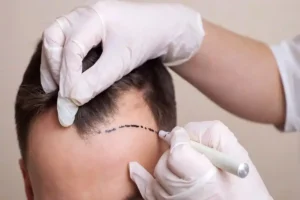
Advanced techniques such as Foliküler Ünite Ekstraksiyonu (FUE) ve Direct Hair Implantation (DHI) preserve the integrity of the donor follicle, minimizing trauma and ensuring natural‑looking results. These methods focus on extracting a single follicular unit (1‑4 hairs) and implanting it directly into the recipient area with specialized implanters.
Microscopic View: Cellular Dynamics Inside the Follicle
At the microscopic level, the follicle is a bustling hub of cellular activity. The hair matrix located in the bulb contains rapidly dividing keratinocytes that push the hair shaft upward. These cells differentiate into three layers that become the cuticle, cortex, and medulla of the hair shaft.
The dermal papilla, rich in mesenchymal cells, secretes growth factors such as vascular endothelial growth factor (VEGF) ve keratinocyte growth factor (KGF). These molecules signal the matrix to proliferate and determine the thickness and pigmentation of the new hair.
Melanocytes located in the lower bulb transfer melanin to keratinocytes, giving hair its color. With age, melanocyte activity declines, leading to gray hair—a natural change in follicle biology rather than a pathology.
Understanding these cellular mechanisms is crucial for developing targeted therapies. For instance, platelet‑rich plasma (PRP) injections aim to boost the papilla’s growth factor release, while low‑level laser devices stimulate matrix cell metabolism.
Why Choose Gold City Hair
Gold City Hair has been delivering personalized hair restoration solutions in Turkey since 2017. Our clinic combines the latest FUE and DHI technologies with a patient‑centered approach, ensuring each treatment plan reflects the unique anatomy of your follicles. Our experienced surgeons conduct thorough assessments, using high‑resolution imaging to map follicle distribution and determine the optimal donor area. Transparent communication, ethical practices, and a commitment to natural‑looking results set us apart as a trusted partner on your journey to renewed confidence.
Ready to restore your hair’s natural fullness? Contact Gold City Hair today to schedule a confidential consultation and discover a customized plan that respects the unique anatomy of your hair follicles.
Take the first step toward a revitalized appearance—your future self will thank you.
SSS
What are the main components of a hair follicle?
A hair follicle consists of the hair shaft, root, bulb, dermal papilla, outer and inner root sheaths, and the arrector pili muscle.
How does the hair growth cycle work?
Hair growth follows four phases: anagen (growth), catagen (transition), telogen (rest), and exogen (shedding).
Which factors can affect hair follicle health?
Genetics, hormones, nutrition, scalp microbiome, mechanical stress, and blood supply all influence follicle vitality.
What is the difference between FUE and DHI hair transplant techniques?
FUE extracts individual follicular units, while DHI implants them directly using a specialized implanter without creating recipient sites first.
How can nutrition influence hair growth?
Essential nutrients like protein, iron, zinc, and biotin support keratin synthesis and blood flow, promoting healthy hair growth.
What treatments are available for androgenic alopecia?
Medical options include finasteride and minoxidil, while surgical solutions involve FUE or DHI hair transplantation.