Male pattern hair loss in females is a common yet often misunderstood form of alopecia that affects millions of women worldwide. While the term sounds masculine, the underlying mechanism—primarily androgen‑driven follicle miniaturisation—can impact anyone with susceptible genetics. Recognising the signs early and exploring the full range of treatment options can prevent further thinning and restore confidence. Recent studies show that up to 40 % of women experience noticeable hair thinning by the age of 50, making awareness essential.
This article explains what male pattern hair loss in females actually is, how it differs from other types of alopecia, and why accurate diagnosis matters. We will explore typical symptoms, diagnostic tools, and both medical and surgical solutions, including the advanced FUE and DHI techniques that Gold City Hair offers. Whether you are just noticing a widening part or seeking a permanent restoration, the information below will guide you toward an informed decision.
By the end of this guide, you will understand the hormonal influences, lifestyle factors, and modern therapies that together shape a personalized plan for lasting hair health.
What Is Male Pattern Hair Loss in Women?
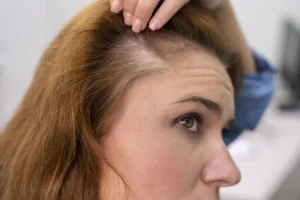
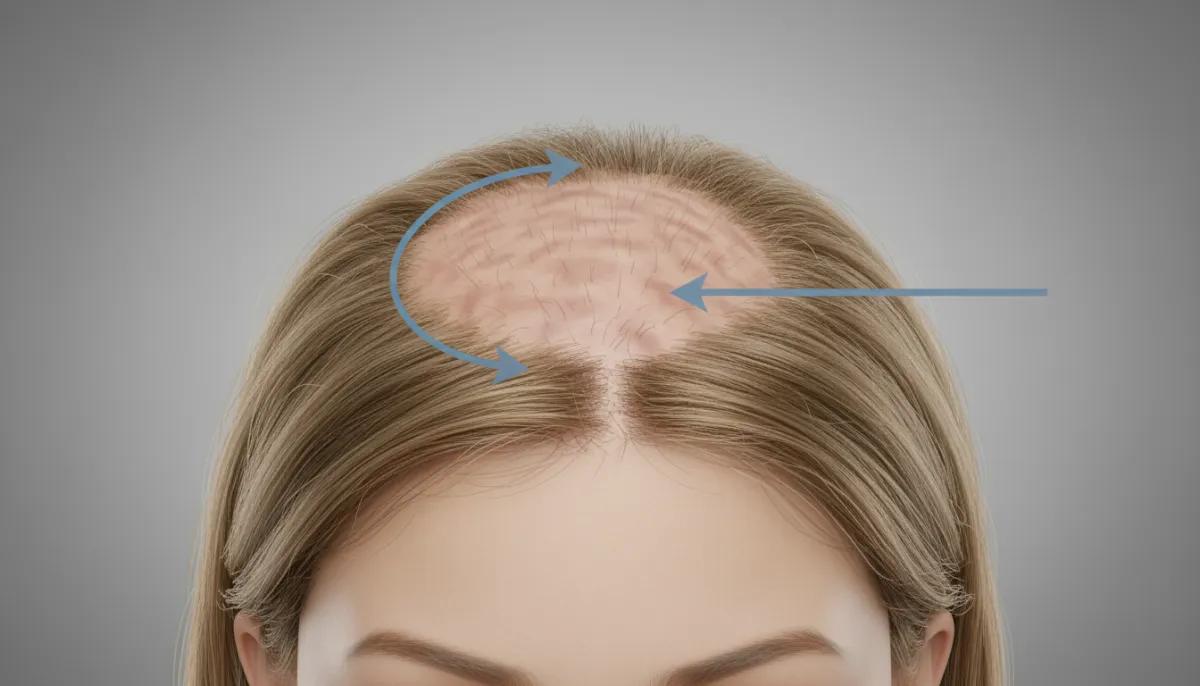
Male pattern hair loss in females, medically known as androgenetic alopecia, is characterised by progressive thinning of the scalp hair due to the effect of dihydrotestosterone (DHT) on genetically vulnerable follicles. Unlike diffuse shedding seen in telogen effluvium, this pattern typically begins at the crown and widens the part, while the frontal hairline often remains intact.
Key factors contributing to this condition include:
- Genetic predisposition – a family history of baldness on either side increases risk.
- Hormonal fluctuations – menopause, polycystic ovary syndrome (PCOS), and thyroid disorders can amplify DHT activity.
- Environmental influences – stress, smoking, and poor nutrition may accelerate follicular miniaturisation.
Understanding the role of androgenic alopecia helps differentiate it from other forms such as alopecia areata, which presents as distinct patches, or traction alopecia caused by tight hairstyles. While the name suggests a male‑centric pattern, the biological process is identical; the difference lies mainly in the distribution of thinning.
Because the condition progresses slowly, many women attribute early signs to normal ageing. However, early intervention—whether through topical minoxidil, oral finasteride (off‑label for women), or lifestyle adjustments—can preserve existing hair and improve outcomes of later surgical procedures.
Common Signs and Diagnosis
Identifying male pattern hair loss in females early can dramatically improve treatment success. The most frequent visual cues include:
- Gradual widening of the central part.
- Noticeable thinning on the vertex (top of the head).
- Retention of the frontal hairline, unlike typical male recession.
- Increased hair shedding during washing or brushing.
Dermatologists employ several diagnostic tools to confirm the condition and rule out other causes:
| Diagnostic Method | Purpose | Typical Findings |
|---|---|---|
| Scalp Examination | Visual assessment of thinning pattern | Miniaturised hairs at crown, preserved frontal line |
| Trichoscopy | Magnified imaging of follicles | Increased proportion of vellus‑like hairs |
| Blood Tests | Check hormonal levels, thyroid function | Elevated DHT, abnormal thyroid hormones if present |
| Hair Pull Test | Assess active shedding | More than 10 hairs pulled indicates active loss |
These evaluations help clinicians differentiate between female pattern baldness and other alopecias such as alopecia areata or telogen effluvium. Accurate diagnosis is the cornerstone for selecting the most appropriate therapy, whether medical, surgical, or a combination of both.
Treatment Options Available Today
When it comes to male pattern hair loss in females, a multi‑modal approach often yields the best results. Treatments can be grouped into medical, procedural, and surgical categories, each targeting a different stage of the hair‑growth cycle.
Medical Therapies
- Minoxidil (2% or 5% topical solution) – stimulates follicular activity and prolongs the anagen phase.
- Oral anti‑androgens – spironolactone or finasteride (off‑label) reduce DHT levels.
- Low‑level laser therapy (LLLT) – promotes cellular metabolism in hair follicles.
Procedural Interventions
- Platelet‑rich plasma (PRP) injections – concentrate growth factors to enhance scalp health.
- Microneedling – improves absorption of topical agents and stimulates collagen.
Surgical Solutions
For permanent restoration, hair transplantation remains the gold standard. Gold City Hair specialises in two state‑of‑the‑art techniques:
- Foliküler Ünite Ekstraksiyonu (FUE) – individual follicles are harvested and implanted without linear scarring.
- Direct Hair Implantation (DHI) – follicles are loaded into a proprietary implanter pen for precise placement, reducing handling time.
Both methods can be customised to address the diffuse thinning typical of female pattern alopecia, ensuring natural‑looking density at the crown while preserving donor area aesthetics.
Choosing the right combination—often a topical regimen paired with PRP before a transplant—maximises graft survival and long‑term results. Consultation with an experienced surgeon is essential to design a plan that aligns with your hair‑loss stage and personal goals.
Lifestyle Factors and Prevention Strategies
While genetics play a dominant role, lifestyle choices can either aggravate or mitigate the progression of male pattern hair loss in females. Integrating healthy habits supports both existing hair and the success of medical or surgical treatments.
Nutrition and Supplements
- Protein‑rich foods – essential for keratin production.
- Iron and zinc – deficiencies are linked to increased shedding.
- Biotin, vitamin D, and omega‑3 fatty acids – promote scalp circulation.
Stress Management
Chronic stress elevates cortisol, which can disrupt the hair‑growth cycle. Techniques such as mindfulness meditation, regular exercise, and adequate sleep (7‑9 hours) help maintain hormonal balance.
Hair‑Care Practices
- Avoid tight hairstyles that cause traction alopecia.
- Limit heat styling and harsh chemical treatments.
- Use gentle, sulphate‑free shampoos and conditioners.
Implementing these measures not only slows further thinning but also creates an optimal environment for any ongoing treatment, enhancing graft uptake after a transplant and improving overall hair vitality.
Choosing the Right Clinic for Hair Restoration
When selecting a provider for male pattern hair loss in females, consider the following criteria to ensure safety, efficacy, and a natural outcome:
- Board‑certified surgeons with extensive experience in FUE and DHI for women.
- Transparent communication about expected results, number of grafts, and recovery timeline.
- Use of advanced imaging for precise graft planning.
- Comprehensive post‑operative care, including follow‑up visits and PRP support if needed.
Turkey has become a global hub for high‑quality, cost‑effective hair restoration, and Gold City Hair stands out for its personalized approach. Since 2017, the clinic has performed thousands of successful transplants, offering a blend of medical expertise and aesthetic sensibility that caters specifically to female patients.
By partnering with a clinic that values both technical skill and patient comfort, you increase the likelihood of achieving a seamless, lasting result that restores confidence and mirrors natural hair growth patterns.
Why Choose Gold City Hair for Your Hair Restoration
Gold City Hair combines cutting‑edge FUE and DHI technologies with a patient‑focused philosophy. Since 2017, the clinic has delivered consistent, natural‑looking results for women experiencing male pattern hair loss. Our team provides transparent communication, individualized treatment plans, and comprehensive after‑care, ensuring every client feels supported throughout their journey.
Ready to take the next step toward fuller, healthier hair? Contact Gold City Hair today to schedule a personalized consultation and discover how our expert team can restore your confidence.
Experience the difference of a tailored approach—your transformation begins now.
SSS
What causes male pattern hair loss in women?
It is primarily driven by the hormone DHT acting on genetically susceptible hair follicles, often worsened by hormonal changes, stress, and poor nutrition.
How can I tell if I have male pattern hair loss or another type of alopecia?
Look for a thinning crown with a preserved frontal hairline; a dermatologist can confirm with scalp examination and trichoscopy.
What medical treatments are effective for female pattern baldness?
Topical minoxidil, oral anti‑androgens like spironolactone, and low‑level laser therapy are commonly used.
When is hair transplantation recommended for women?
When medical therapies have plateaued and there is stable thinning, especially at the crown, FUE or DHI transplants can restore density.
What lifestyle changes can help slow hair loss in women?
Balanced nutrition, stress reduction, gentle hair care, and avoiding tight hairstyles can all mitigate further thinning.
How should I choose a hair‑restoration clinic?
Look for board‑certified surgeons experienced in FUE/DHI for women, transparent results, and comprehensive after‑care.