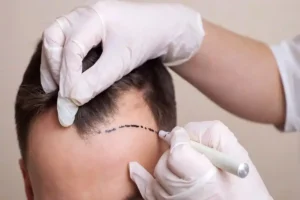
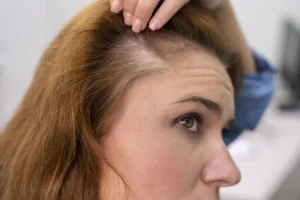
Many people notice strands of hair falling out with a white bulb at the tip and wonder what it means for their scalp health. This specific type of shedding often signals a shift in the hair growth cycle, and understanding it can help you address the underlying issue before it progresses. In fact, up to 85% of adults experience noticeable hair shedding at some point, and the presence of a white bulb is a key clue that the hair has entered the telogen (resting) phase.
In this article we will explore the science behind the white bulb, identify common triggers such as stress and nutritional deficiencies, outline how specialists diagnose the condition, and discuss practical treatment options—including advanced procedures offered by Gold City Hair. Whether you are seeing a few strands a day or a sudden increase, the information here will empower you to take informed steps toward healthier hair.
By the end of the guide you will know when to seek professional help, what lifestyle changes can reduce shedding, and how modern hair restoration techniques can restore both density and confidence.
What Does a White Bulb Indicate?
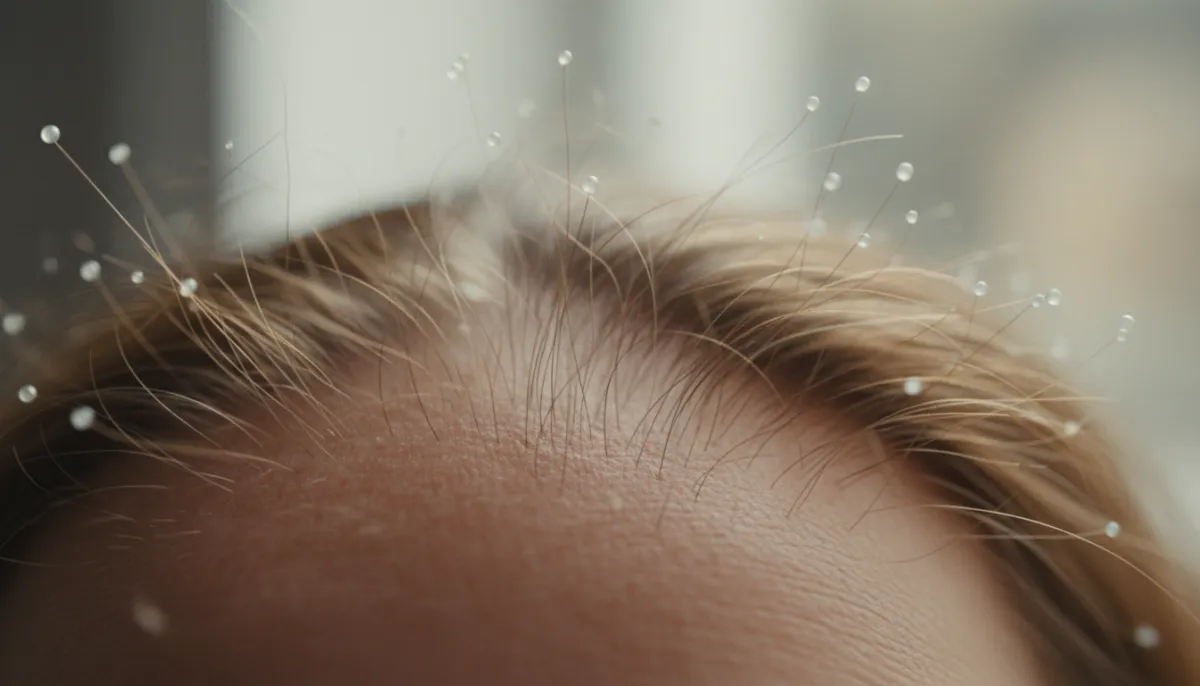
The tiny, pear‑shaped tip you see at the end of a shed hair is called the hair bulb. When a hair is in the telogen phase, the bulb loses its pigment and appears white or translucent. This visual cue tells dermatologists that the hair has completed its growth cycle and is ready to be released from the follicle.
Key points to recognize:
- White bulbs are a normal part of the hair’s life cycle; each strand typically goes through anagen (growth), catagen (transition), and telogen (resting) phases.
- Increased numbers of white‑bulb shedding often point to a systemic trigger that pushes many follicles into telogen simultaneously.
- Conditions such as telogen effluvium are characterized by this type of shedding, especially after a stressful event.
Understanding the bulb’s appearance helps differentiate between normal daily loss (about 50‑100 strands) and abnormal shedding that may require attention.
Common Causes of Hair Falling Out With White Bulb
While the presence of a white bulb is a natural sign of telogen phase, several factors can accelerate the shift, leading to noticeable shedding. Below is a comparison of the most frequently reported triggers.
| Cause | Typical Trigger | How It Leads to White‑Bulb Shedding |
|---|---|---|
| Stres | Major life events, chronic anxiety | Elevates cortisol, disrupts hormonal balance, pushes follicles into telogen |
| Nutrition Deficiency | Low iron, zinc, or protein intake | Impaired follicle metabolism, premature entry into resting phase |
| Hormonal Changes | Post‑partum, menopause, thyroid disorders | Fluctuations in estrogen, progesterone, or thyroid hormones affect growth cycle |
| Medications | Anticoagulants, retinoids, certain antidepressants | Drug‑induced disruption of follicular activity |
| Illness or Surgery | Fever, major surgery, severe infection | Physiological stress triggers a temporary telogen shift |
Stress is often the most cited cause, with many patients reporting a sudden increase in hair falling out with white bulb after a high‑pressure period at work or during personal upheavals. Nutritional gaps, particularly iron deficiency, can produce similar patterns, especially in women.
Diagnosing the Issue: When to See a Specialist
If you notice a persistent rise in white‑bulb shedding—more than 100 strands per day for several weeks—it’s time to consult a hair‑loss specialist. Early diagnosis can prevent permanent follicular damage and guide appropriate treatment.
Typical diagnostic steps include:
- Clinical Examination: Visual assessment of shedding patterns and scalp health.
- Trichoscopy: Dermatoscopic imaging to evaluate follicle density and bulb characteristics.
- Blood Tests: Screening for iron, ferritin, thyroid hormones, vitamin D, and hormonal panels.
- Pull Test: Gentle traction to quantify active shedding.
- Medical History Review: Identifying recent stressors, medication changes, or systemic illnesses.
Specialists may also use a hair growth cycle analysis to determine the proportion of hairs in each phase. This data helps differentiate telogen effluvium from other alopecia types, such as androgenetic alopecia, which requires different management.
Effective Treatments and Lifestyle Changes
Once the underlying cause is identified, treatment can be tailored to stop the excess shedding and stimulate new growth. Below are the most evidence‑based options for addressing hair falling out with white bulb.
- Stress Management: Mindfulness, cognitive‑behavioral therapy, and regular exercise reduce cortisol levels.
- Nutritional Supplementation: Iron, zinc, biotin, and omega‑3 fatty acids support follicular health.
- Topical Minoxidil: Increases blood flow to follicles and prolongs the anagen phase.
- Oral Finasteride (for men): Blocks DHT, a key hormone in androgenetic hair loss, which can coexist with telogen effluvium.
- Platelet‑Rich Plasma (PRP): Autologous growth factors injected into the scalp to stimulate regeneration.
- Hair Transplant (FUE/DHI): For permanent restoration when follicular loss becomes irreversible.
Gold City Hair specializes in the latest transplant techniques, offering a personalized plan that may combine medical therapy with surgical restoration for optimal density and natural appearance.
Preventing Future Shedding: Maintenance Tips
Long‑term scalp health relies on consistent care and lifestyle choices. Even after successful treatment, maintaining results requires attention to daily habits.
- Balanced Diet: Prioritize lean proteins, leafy greens, nuts, and whole grains to supply essential nutrients.
- Scalp Hygiene: Use mild shampoos, avoid excessive heat styling, and consider gentle scalp massages to improve circulation.
- Regular Exercise: Enhances overall blood flow, supporting follicle nourishment.
- Sleep Quality: Aim for 7‑9 hours per night; deep sleep regulates hormonal balance crucial for hair growth.
- Routine Check‑ups: Annual blood work can catch deficiencies before they affect the hair cycle.
By integrating these practices, you reduce the likelihood of recurring telogen shifts that manifest as white‑bulb shedding, keeping your hair looking fuller and healthier year after year.
Why Choose Gold City Hair for Your Hair Restoration
Gold City Hair has been delivering personalized hair restoration solutions in Turkey since 2017. Our clinic combines the latest FUE and DHI techniques with a patient‑first approach, ensuring transparent communication and tailored treatment plans. Whether you need medical therapy for telogen effluvium or a permanent transplant solution, our experienced team provides safe, effective results that restore confidence and natural appearance.
Ready to stop the shedding and start regaining your hair? Contact Gold City Hair today for a personalized consultation and discover the most advanced solutions for lasting restoration.
SSS
What does a white bulb on shed hair indicate?
A white bulb shows the hair is in the telogen (resting) phase and is ready to be shed.
Which common factors cause hair to fall out with a white bulb?
Stress, nutritional deficiencies, hormonal shifts, certain medications, and illness or surgery are the main triggers.
When should I see a hair‑loss specialist for white‑bulb shedding?
If you shed more than 100 white‑bulb hairs per day for several weeks, schedule a consultation.
What treatment options are effective for hair falling out with a white bulb?
Treatments include stress management, nutritional supplements, minoxidil, finasteride, PRP, and hair transplant when needed.
How can I prevent future white‑bulb shedding?
Maintain a balanced diet, proper scalp hygiene, regular exercise, good sleep, and routine health check‑ups.
Why choose Gold City Hair for hair restoration?
Gold City Hair offers advanced FUE/DHI transplants, personalized medical therapy, and a patient‑first approach in Turkey.