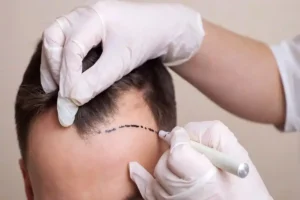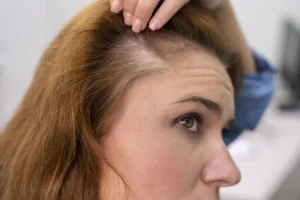
Hair diseases and treatment are topics that affect millions worldwide, influencing confidence and overall well‑being. Understanding the underlying causes, from genetic factors to lifestyle influences, empowers you to choose the most effective solution. Recent studies show that up to 40 % of men and 30 % of women experience noticeable hair thinning by the age of 35, highlighting the prevalence of this concern.
In this guide we will explore the most common hair conditions, explain how professionals diagnose them, and outline both medical and surgical treatment pathways. Whether you are dealing with alopecia areata, androgenetic alopecia, or temporary telogen shedding, the information provided will help you navigate the options with clarity.
We will also discuss when a hair transplant becomes the most suitable approach and how Gold City Hair’s personalized care can support your journey toward restored hair and renewed confidence.
Common Types of Hair Diseases
Hair loss manifests in several distinct patterns, each with its own triggers and progression. Recognizing the specific condition is the first step toward effective treatment.
- Alopesi Areata: An autoimmune disorder causing round patches of hair loss, often sudden and unpredictable.
- Androgenetic Alopecia (Male or Female Pattern Baldness): A hereditary condition driven by dihydrotestosterone (DHT) that leads to gradual thinning.
- Telogen Effluvium: A temporary shedding phase triggered by stress, illness, or hormonal changes.
- Scarring Alopecia: Inflammatory conditions that destroy hair follicles, resulting in permanent loss.
- Trichotillomania: A compulsive habit of pulling out hair, leading to irregular bald spots.
Each of these conditions may require a different therapeutic approach. For instance, alopecia areata often responds to corticosteroid injections, while androgenetic alopecia may be managed with finasteride or minoxidil.
Diagnosing Hair Loss: What to Expect
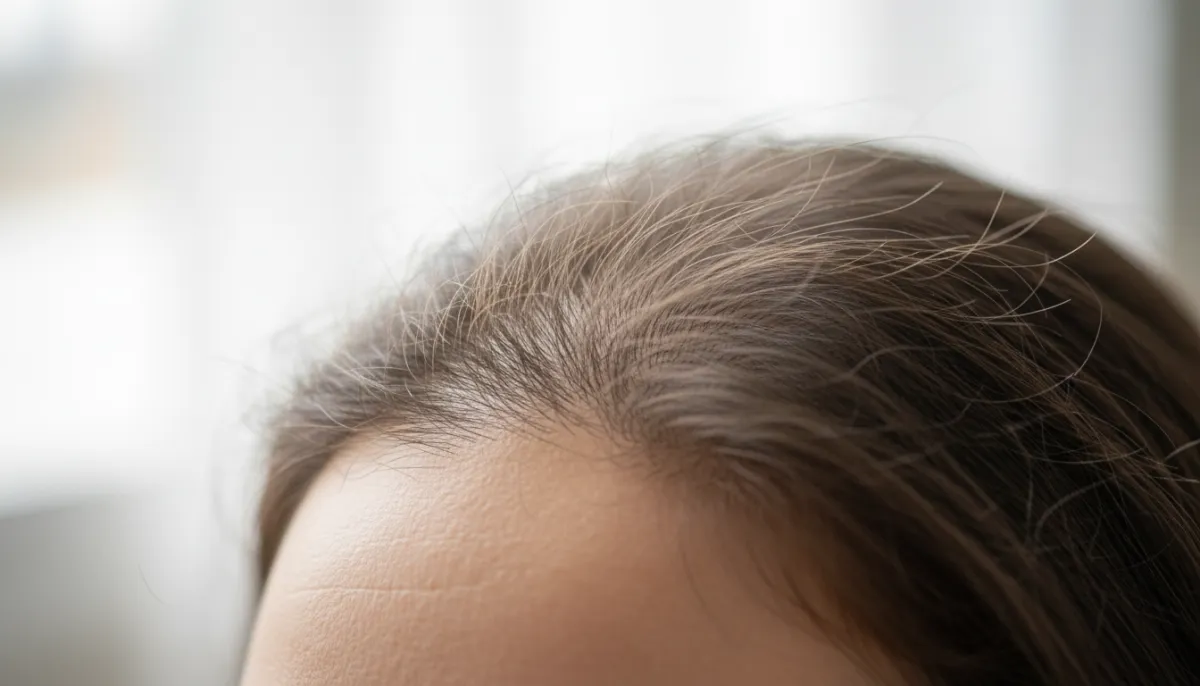
A precise diagnosis combines medical history, visual examination, and sometimes laboratory testing. Dermatologists and hair restoration specialists follow a systematic process to pinpoint the cause.
| Diagnostic Step | Purpose |
|---|---|
| Medical History Review | Identify genetic predisposition, medications, and lifestyle factors. |
| Scalp Examination | Assess pattern, density, and signs of inflammation. |
| Pull Test | Determine active shedding by gently pulling a small bundle of hair. |
| Blood Tests | Check for thyroid issues, iron deficiency, or hormonal imbalances. |
| Trichoscopy | Magnified imaging to view follicle health and miniaturization. |
Accurate identification of the underlying disease guides the selection of appropriate therapies, reducing trial‑and‑error and improving outcomes.
Medical and Non‑Surgical Treatment Options
When hair loss is identified early, many non‑surgical interventions can halt or reverse the process. Treatment plans often combine topical agents, oral medications, and lifestyle modifications.
- Minoxidil (2 % or 5 % solution): Increases blood flow to follicles, suitable for both men and women.
- Finasteride (1 mg daily): An oral DHT blocker approved for male pattern baldness.
- Platelet‑Rich Plasma (PRP) Therapy: Uses the patient’s own blood platelets to stimulate growth.
- Low‑Level Laser Therapy (LLLT): Red light devices that promote cellular activity.
- Nutritional Supplements: Biotin, zinc, and vitamin D support overall hair health.
For autoimmune conditions like alopecia areata, corticosteroid injections or topical immunotherapy may be prescribed. In cases of scarring alopecia, anti‑inflammatory medications are essential to prevent further follicle damage.
While many individuals see improvement with these approaches, results vary based on disease severity, age, and adherence to the regimen.
When Hair Transplant Becomes the Best Choice
For patients with advanced thinning or permanent follicle loss, surgical restoration often provides the most durable solution. Gold City Hair specializes in advanced techniques such as Follicular Unit Extraction (FUE) and Direct Hair Implantation (DHI), which offer natural‑looking density with minimal scarring.
| Technique | Key Benefits | Ideal Candidates |
|---|---|---|
| FUE | Individual follicle extraction, fast recovery, no linear scar. | Patients with moderate to extensive hair loss seeking precision. |
| DHI | Implantation without prior incisions, higher graft survival. | Those desiring maximum density in limited donor areas. |
| Eyebrow/Beard Transplant | Restores facial hair with natural direction. | Clients with patchy eyebrows or beard loss. |
Before undergoing a transplant, a thorough evaluation ensures the donor area can supply enough healthy follicles. Post‑procedure care includes gentle washing, avoiding direct sunlight, and using prescribed topical agents to support graft integration.
Lifestyle and Home Care for Healthy Hair
Even after medical or surgical treatment, daily habits play a crucial role in maintaining results. Simple adjustments can enhance follicle health and prevent future loss.
- Gentle Shampooing: Use sulfate‑free products and avoid vigorous rubbing.
- Balanced Diet: Incorporate proteins, omega‑3 fatty acids, and antioxidants.
- Stress Management: Practice meditation, exercise, or hobbies to lower cortisol levels.
- Avoid Tight Hairstyles: Reduce traction that can cause follicle damage.
- Protect from Heat: Limit use of high‑temperature styling tools.
Consistent scalp massage improves circulation, and regular follow‑up appointments with a hair specialist ensure any new concerns are addressed promptly.
Why Choose Gold City Hair
Gold City Hair has been delivering personalized hair restoration solutions in Turkey since 2017. Our team combines years of expertise in FUE, DHI, and facial hair transplants with transparent communication, ensuring each patient receives a tailored plan that aligns with their goals. By focusing on safety, natural results, and post‑procedure support, we help clients regain confidence and enjoy lasting hair health.
Ready to take the next step toward a fuller, healthier head of hair? Contact Gold City Hair today to schedule a confidential consultation and discover the treatment plan that’s right for you.
SSS
What are the most common types of hair diseases?
The most common hair diseases include alopecia areata, androgenetic alopecia, telogen effluvium, scarring alopecia, and trichotillomania.
How is hair loss diagnosed by specialists?
Specialists use medical history, scalp examination, pull test, blood work, and trichoscopy to pinpoint the cause of hair loss.
What medical treatments are available for hair loss?
Medical options include minoxidil, finasteride, PRP therapy, low‑level laser therapy, nutritional supplements, and corticosteroid injections for autoimmune cases.
When should I consider a hair transplant?
A hair transplant is advisable for advanced thinning or permanent follicle loss when non‑surgical methods no longer provide satisfactory results.
What are the differences between FUE and DHI hair restoration techniques?
FUE extracts individual follicles and leaves tiny puncture sites, while DHI implants follicles directly without prior incisions, offering higher graft survival.
How can lifestyle changes support hair health after treatment?
Gentle shampooing, a balanced diet, stress management, avoiding tight hairstyles, and protecting hair from heat help maintain results.