Many people wonder why their hair and vitamin deficiency seem linked, especially when shedding becomes more noticeable. This article explains the science behind nutrient‑related hair loss, outlines the most common deficiencies, and provides practical steps to restore healthy growth. According to recent dermatology studies, up to 30% of hair‑related complaints can be traced back to inadequate vitamin intake.
Understanding the role of vitamins helps you identify early warning signs before hair thinning becomes permanent. We’ll discuss which nutrients are essential, how a balanced diet can reverse damage, and when professional evaluation is necessary.
Whether you’re experiencing diffuse thinning, patchy bald spots, or brittle strands, the information here equips you to make informed choices that support both scalp health and overall wellbeing.
Understanding the Link Between Hair Health and Vitamin Deficiency
Hair follicles are among the fastest‑growing cells in the body, requiring a steady supply of micronutrients to maintain the growth cycle. When a vitamin deficiency occurs, the follicle’s ability to produce keratin—a protein that forms the hair shaft—diminishes, leading to weakened strands and increased shedding.
Key mechanisms include:
- Reduced blood flow to the scalp due to low levels of vitamin D, which plays a role in vascular health.
- Impaired DNA synthesis in hair matrix cells when B‑vitamins (especially B12 and biotin) are insufficient.
- Hormonal imbalances caused by inadequate iron and zinc, both crucial for the conversion of thyroid hormones that regulate hair growth.
Research indicates that correcting these deficiencies can restore the normal anagen (growth) phase within three to six months for many individuals.
Common Vitamin Deficiencies That Impact Hair Growth
Not all vitamins affect hair equally. Below is a concise overview of the most influential deficiencies and how they manifest in the hair.
| Vitamin / Mineral | Primary Role in Hair | Typical Deficiency Signs |
|---|---|---|
| D Vitamini | Regulates hair follicle cycling and scalp immune response | Diffuse thinning, especially on the crown; dry scalp |
| Vitamin B12 | Supports red blood cell production, delivering oxygen to follicles | Premature greying, brittle hair, fatigue |
| Biotin (Vitamin B7) | Facilitates keratin infrastructure | Hair breakage, slow growth |
| Iron | Essential for hemoglobin, which transports oxygen to scalp tissues | Hair shedding, especially after menstruation |
| Zinc | Modulates oil gland activity and DNA synthesis | Dry, flaky scalp; slowed regrowth |
Among these, vitamin D deficiency is frequently overlooked because its symptoms overlap with other health issues. Low vitamin D levels can also cause fatigue, bone pain, and mood changes, making it essential to test serum 25‑hydroxy vitamin D when hair loss is unexplained.
Recognizing Symptoms of Vitamin‑Related Hair Loss
Identifying whether a nutrient shortage is behind your hair concerns requires attention to both scalp cues and systemic signs. Below are the most reliable indicators that a vitamin deficiency may be contributing to hair loss.
Visible Scalp Changes
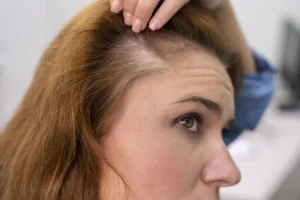
- Gradual thinning across the top of the head rather than a distinct bald patch.
- Increased brittleness and split ends, even with gentle styling.
- Dry, flaky scalp that does not improve with regular shampooing.
Systemic Warning Signs
- Persistent fatigue or low energy levels.
- Unexplained mood swings or mild depression, often linked to low vitamin D.
- Changes in nail texture—soft, spoon‑shaped nails can signal iron deficiency.
When multiple symptoms appear together, a comprehensive blood test is advisable. Labs typically assess serum 25‑hydroxy vitamin D, ferritin (iron stores), B12, and zinc levels to pinpoint the exact deficiency.
Nutrition and Lifestyle Strategies to Strengthen Hair
Correcting a deficiency is often achievable through diet, supplementation, and lifestyle adjustments. Below is a practical guide to boost hair‑supporting nutrients.
Food Sources to Prioritize
- D Vitamini: Fatty fish (salmon, mackerel), fortified dairy, and safe sun exposure.
- Vitamin B12: Eggs, lean meats, and fortified plant‑based milks.
- Biotin: Nuts, seeds, sweet potatoes, and whole grains.
- Iron: Red meat, lentils, spinach, and pumpkin seeds.
- Zinc: Oysters, chickpeas, and pumpkin seeds.
Supplement Recommendations
When dietary intake falls short, targeted supplements can fill the gap. Choose products that provide:
- Vitamin D3 (1000–2000 IU daily, adjusted after blood test)
- A balanced B‑complex with at least 30 µg biotin
- Iron bisglycinate for better absorption, paired with vitamin C to enhance uptake
- Zinc picolinate (15–30 mg) if blood work shows low levels
Remember that excessive supplementation can be harmful; always consult a healthcare professional before starting a new regimen.
Lifestyle Tips
- Maintain regular physical activity to improve circulation to the scalp.
- Manage stress through mindfulness, yoga, or adequate sleep—stress hormones can exacerbate shedding.
- Avoid harsh chemical treatments and excessive heat styling that damage the cuticle.
Adopting these habits not only supports hair growth but also promotes overall well‑being.
When to Seek Professional Help and Treatment Options
If you have addressed dietary gaps yet continue to lose hair, it may be time to explore clinical interventions. A qualified dermatologist or trichologist can evaluate underlying conditions such as alopecia areata, hormonal disorders, or chronic inflammation.
Diagnostic Steps
- Comprehensive blood panel (vitamin D, iron, ferritin, B12, zinc, thyroid hormones).
- Scalp examination with dermoscopy to assess follicle health.
- Medical history review to rule out medication‑induced shedding.
Medical Treatments
Depending on the diagnosis, options may include:
- Topical minoxidil to stimulate follicular activity.
- Oral finasteride for androgen‑related hair loss (men only).
- Platelet‑rich plasma (PRP) therapy to enhance scalp circulation.
- Hair transplantation procedures such as FUE or DHI, which Gold City Hair specializes in, offering permanent restoration for permanent thinning.
Combining nutritional optimization with professional therapies often yields the best outcomes, especially when hair loss has progressed beyond the early stages.
Why Choose Gold City Hair
Gold City Hair has been delivering personalized hair restoration solutions in Turkey since 2017. Our clinic combines cutting‑edge FUE and DHI techniques with a transparent, patient‑focused approach. By addressing both the underlying nutritional factors and the physical restoration of hair, we help you regain confidence and achieve lasting results.
Ready to restore your hair and confidence? Contact Gold City Hair today for a personalized consultation and discover the best plan for your unique needs.
SSS
How do vitamin deficiencies cause hair loss?
Vitamins are essential for the hair growth cycle; lacking them weakens follicles, reduces keratin production, and shortens the growth phase.
Which vitamins are most important for preventing hair thinning?
Vitamin D, B12, biotin (B7), iron, and zinc are the key nutrients linked to healthy hair growth.
What are the common signs of vitamin‑related hair loss?
Typical signs include diffuse thinning, brittle strands, dry flaky scalp, fatigue, mood changes, and spoon‑shaped nails.
How can I test for vitamin deficiencies that affect my hair?
A blood test measuring serum 25‑hydroxy vitamin D, ferritin, B12, zinc, and thyroid hormones will identify most deficiencies.
What foods should I eat to improve hair health?
Include fatty fish, eggs, lean meats, fortified dairy, nuts, seeds, leafy greens, lentils, and whole grains in your diet.
When should I see a dermatologist for hair loss?
If dietary changes and supplements don’t stop shedding after 3–6 months, or if you notice rapid thinning, seek professional evaluation.