Finding a safe and lasting solution for healing alopecia naturally is a top priority for many who notice thinning strands or bald patches. This article explores evidence‑based natural methods, lifestyle tweaks, and the science behind hair loss so you can make informed choices. Did you know that up to 40 % of men experience noticeable hair loss by age 35, and many turn to natural approaches before considering surgical options?
We’ll break down the root causes of alopecia, discuss how diet, supplements, and topical treatments can support regrowth, and highlight when a professional hair transplant may be the most effective next step. By the end, you’ll have a clear roadmap to improve hair density, boost confidence, and decide the best path for your unique situation.
Whether you’re dealing with androgenic alopecia, alopecia areata, or diffuse thinning, the strategies outlined here combine scientific insight with practical tips you can start using today.
Understanding Alopecia and Its Underlying Causes
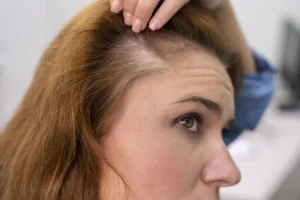
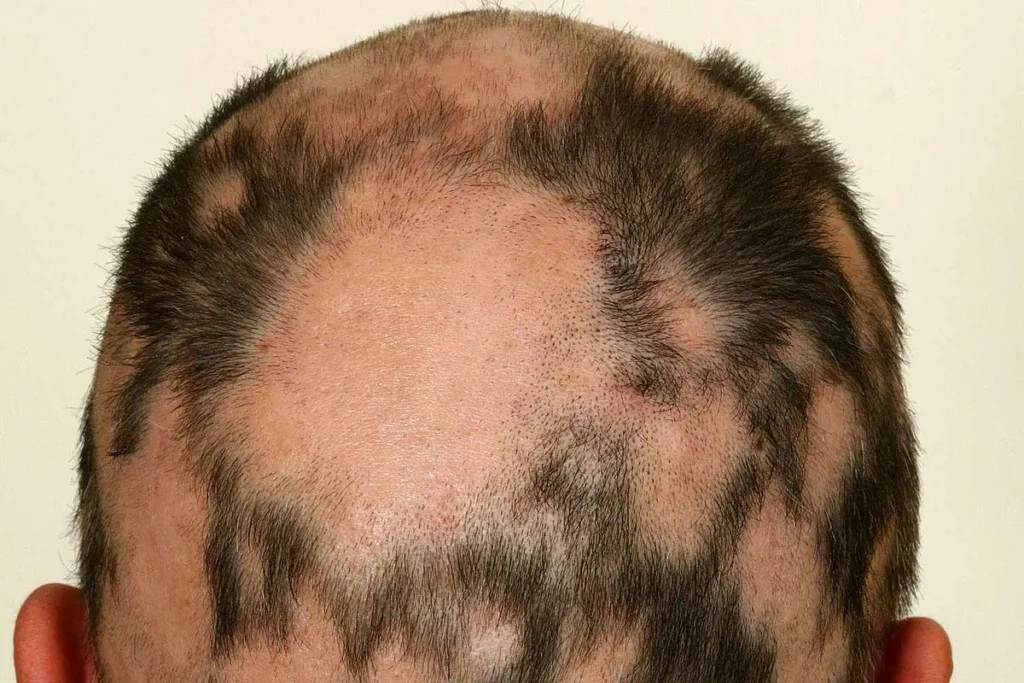
Alopecia is an umbrella term that describes various forms of hair loss, each with distinct triggers. The most common type, androgenetic alopecia (often called male or female pattern baldness), is driven by genetics and the hormone dihydrotestosterone (DHT). Other forms, such as alopecia areata, are autoimmune, where the body mistakenly attacks hair follicles, leading to sudden patches of loss.
Key factors that influence hair loss include:
- Genetic predisposition and hormone levels
- Chronic stress and inflammation
- Nutrient deficiencies (iron, zinc, biotin)
- Underlying medical conditions (thyroid disorders, anemia)
- Improper scalp care and harsh styling practices
Understanding these drivers helps you target the right natural interventions. For example, if DHT is a primary culprit, incorporating finasteride for hair loss under medical supervision is common, but many prefer to first explore natural DHT‑blocking foods and supplements.
Below is a quick comparison of the main alopecia types and typical natural approaches:
| Type of Alopecia | Primary Cause | Natural Focus |
|---|---|---|
| Androgenetic (Pattern) Baldness | Genetics & DHT | Diet rich in zinc, saw‑tooth oak, anti‑inflammatory foods |
| Alopesi Areata | Autoimmune response | Immune‑modulating nutrients (vitamin D, omega‑3) |
| Telogen Effluvium | Stress or hormonal shift | Stress‑reduction techniques, B‑complex vitamins |
Nutrition and Supplements for Natural Hair Regrowth
What you eat directly impacts the health of your follicles. A diet rich in essential vitamins and minerals can stimulate the growth phase (anagen) and protect against oxidative stress that accelerates hair shedding.
Key nutrients for hair growth include:
- Biotin (Vitamin B7) – Supports keratin production; found in eggs, nuts, and legumes.
- Vitamin D – Modulates immune response; deficiency is linked to alopecia areata.
- Iron – Crucial for oxygen transport to follicles; low ferritin often correlates with thinning hair.
- Zinc – Helps regulate DHT and supports DNA synthesis in hair cells.
- Omega‑3 fatty acids – Anti‑inflammatory; found in fatty fish, flaxseed, and walnuts.
When whole‑food sources are insufficient, targeted supplements can bridge the gap. Popular best hair growth supplements combine biotin, collagen peptides, and a blend of trace minerals. Clinical studies suggest that a combined supplement regimen can improve hair density by up to 30 % over six months.
Below is a sample daily nutrition plan designed to supply these critical nutrients:
| Meal | Key Ingredients | Primary Benefit |
|---|---|---|
| Breakfast | Greek yogurt, pumpkin seeds, blueberries | Biotin, zinc, antioxidants |
| Lunch | Grilled salmon, quinoa, spinach | Omega‑3, iron, vitamin D |
| Dinner | Lean turkey, sweet potatoes, broccoli | Protein, vitamin A, selenium |
| Snack | Almonds & a boiled egg | Healthy fats, biotin |
For those seeking a more concentrated approach, consider a high‑quality hair growth supplement for men or a formulation specifically designed for women, as hormonal needs differ.
Topical and Home Remedies That Support Healing
While nutrition works from the inside out, topical applications can directly nourish the scalp and create an optimal environment for follicles to thrive. Many people ask, “what are the best hair growth products that I can use at home?” The answer lies in a blend of proven ingredients and proper application techniques.
Effective natural topicals include:
- Rosemary essential oil – Shown in studies to improve hair count comparable to minoxidil when diluted in carrier oil.
- Castor oil – Rich in ricinoleic acid, promotes circulation and reduces scalp inflammation.
- Green tea extract – Contains catechins that inhibit 5‑α‑reductase, the enzyme that converts testosterone to DHT.
- Peptide‑rich serums – Stimulate follicle signaling pathways for growth.
- DIY scalp masks with aloe vera, honey, and yogurt – Provide moisture and antimicrobial benefits.
Application tips for maximum efficacy:
- Perform a patch test 24 hours before first use to avoid irritation.
- Massage the product into the scalp for 3–5 minutes to boost blood flow.
- Apply consistently, preferably at night, to allow absorption.
- Combine with a gentle, sulfate‑free shampoo to keep pores clear.
For those seeking a more structured regimen, a hair loss treatment routine might look like this:
| Time | Product | Purpose |
|---|---|---|
| Morning | Gentle cleanser + rosemary oil spray | Cleanse, stimulate |
| Evening | Castor oil blend + peptide serum | Moisturize, nourish |
These natural solutions can be combined with medical options, but many users report visible improvement within three to six months of diligent use.
Lifestyle Changes and Scalp Care Practices
Beyond diet and topicals, everyday habits play a pivotal role in healing alopecia naturally. Stress, sleep quality, and even the way you style your hair can either exacerbate or alleviate hair loss.
Key lifestyle adjustments include:
- Stress management – Practices such as meditation, yoga, or deep‑breathing lower cortisol, which can trigger telogen effluvium.
- Regular aerobic exercise – Improves circulation, delivering nutrients to the scalp.
- Adequate sleep (7‑9 hours) – Supports hormonal balance and cellular repair.
- Avoiding tight hairstyles – Reduces traction alopecia caused by constant pulling.
- Limiting heat and chemical exposure – Prevents follicle damage from styling tools.
Scalp hygiene is equally important. A weekly exfoliating scrub using gentle sugar or coffee grounds can remove dead skin cells and excess sebum, allowing follicles to breathe. Follow with a soothing conditioner containing tea tree oil to keep the scalp microbiome balanced.
Here’s a simple weekly scalp‑care schedule:
| Day | Activity | Goal |
|---|---|---|
| Monday | 30‑minute brisk walk | Boost circulation |
| Wednesday | Scalp exfoliation + tea tree rinse | Clear pores, reduce inflammation |
| Friday | Guided meditation (15 min) | Lower stress hormones |
| Saturday | Deep‑conditioning mask | Hydrate follicles |
Implementing these habits consistently can enhance the effectiveness of any hair growth treatment you choose, whether natural or clinical.
When Natural Methods Aren’t Enough: Professional Options
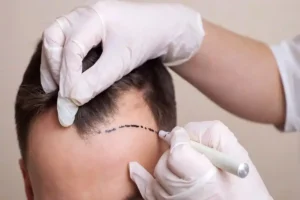
Natural approaches can yield impressive results, but some individuals may still experience progressive loss despite best efforts. In such cases, consulting a qualified clinic for a hair transplant can provide a long‑lasting solution.
Modern transplant techniques—such as Follicular Unit Extraction (FUE) and Direct Hair Implantation (DHI)—offer high graft survival rates and minimal scarring. While these procedures are medical interventions, many patients combine them with ongoing natural care to maintain the health of transplanted follicles.
Consider professional treatment if you notice any of the following:
- Rapid thinning over several months despite diet and topical use
- Extensive bald spots that do not respond to topical serums
- Underlying hormonal or autoimmune conditions that need specialist management
Before deciding, a thorough evaluation—including blood work, scalp analysis, and discussion of family history—helps determine the most suitable plan. Clinics that specialize in FUE or DHI often provide personalized after‑care programs that incorporate the same nutritional and lifestyle principles discussed earlier, ensuring optimal graft survival.
Integrating professional care with natural maintenance maximizes results, offering both immediate density and long‑term scalp health.
Why Choose Gold City Hair
Gold City Hair has been delivering personalized hair restoration solutions in Turkey since 2017. Our team combines advanced FUE and DHI techniques with a commitment to transparent communication and patient‑centered care. Whether you are exploring natural strategies or ready for a surgical solution, we provide comprehensive assessments, customized treatment plans, and ongoing support to help you regain confidence and achieve lasting results.
Ready to start your journey toward healthier, fuller hair? Contact Gold City Hair today to schedule a free consultation and discover the best natural and clinical options for your unique needs.
Take the first step—your confidence is just a call away.
SSS
What natural foods can help block DHT and reduce hair loss?
Foods rich in zinc, saw‑tooth oak, pumpkin seeds, and green tea contain compounds that naturally inhibit DHT production.
Which vitamins and minerals are most important for hair follicle health?
Biotin, vitamin D, iron, zinc, and omega‑3 fatty acids are essential for strong, growing hair.
How do rosemary essential oil and castor oil work as topical hair growth treatments?
Rosemary oil stimulates circulation and may match minoxidil’s effect, while castor oil’s ricinoleic acid reduces inflammation and improves scalp health.
What lifestyle changes can accelerate natural hair regrowth?
Managing stress, regular exercise, adequate sleep, and avoiding tight hairstyles or excessive heat can significantly improve hair health.
When should someone consider a professional hair transplant instead of natural methods?
If hair loss continues despite consistent natural treatment for 6‑12 months, or if the bald area is extensive, a transplant may be advisable.
Are there any risks associated with using DIY scalp masks for hair growth?
DIY masks are generally safe if ingredients are fresh and a patch test is performed, but allergic reactions or scalp irritation can occur.