
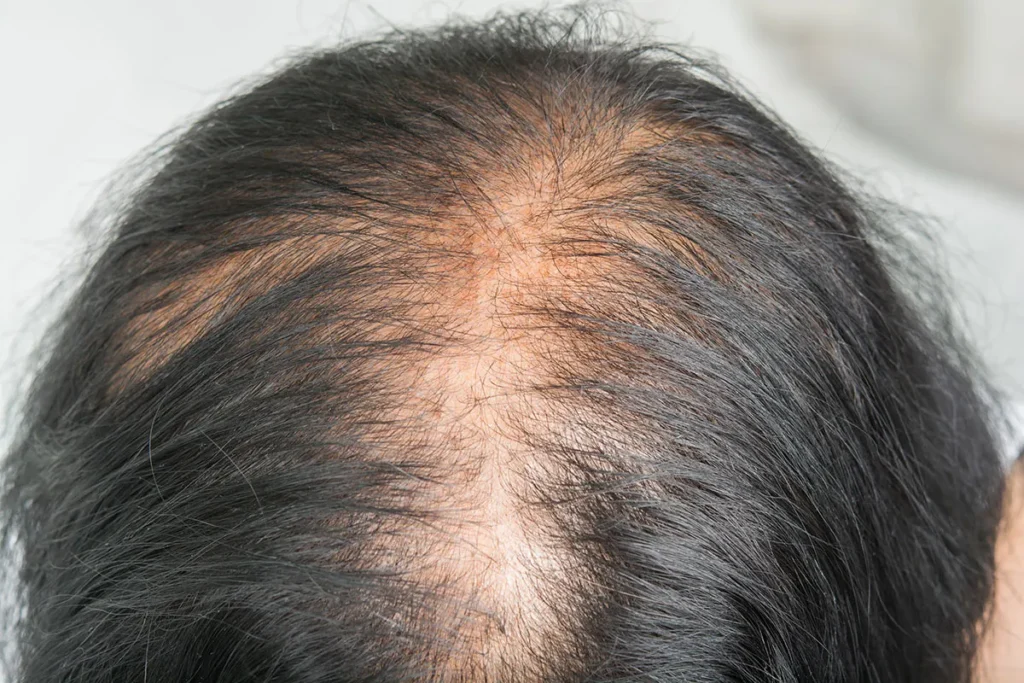
Experiencing unexplained hair loss can be really upsetting. But knowing the exact type of hair loss is the first step to finding a solution.
Hair loss is a big problem worldwide. Androgenetic alopecia is the most common, affecting over 50 million men and 30 million women in the U.S. alone.
Seeing coin-sized bald patches or thinning hair all over can be worrying. There are many hair loss conditions, each with its own cause and treatment.
Key Takeaways
Understanding your specific hair loss type is key to finding the right treatment.
Hair loss is a big issue, with androgenetic alopecia being the most common.
Each type of hair loss needs a different treatment approach.
Finding out why your hair follicles are falling out is important.
There are many treatment options based on the type of hair loss you have.
Understanding the Basics of Hair Loss
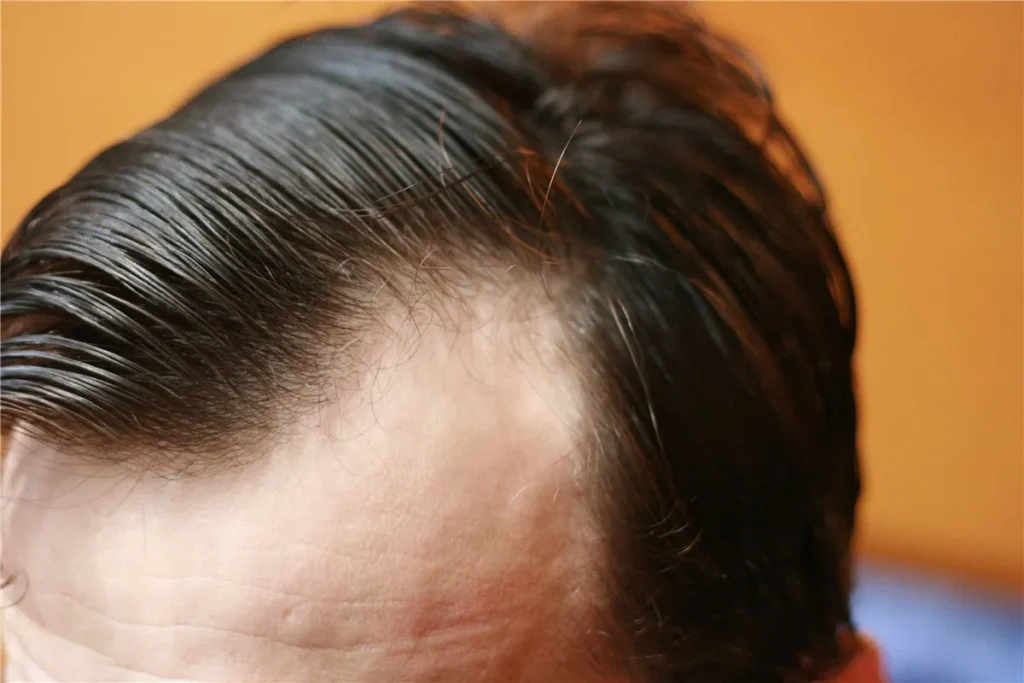
Starting to deal with hair loss means first understanding it. Millions face hair loss due to genetics, hormonal shifts, and some health issues.
The Hair Growth Cycle
Hair grows in cycles, with each follicle having its own cycle. There are three phases: anagen, catagen, and telogen. The anagen phase is the growth phase, lasting several years. The catagen phase is short, and the telogen phase is the resting phase, where hair falls out.
Knowing these phases is key. Disruptions can cause different hair loss types. For example, a long telogen phase leads to telogen effluvium, where you shed a lot of hair.
Common Causes of Hair Loss
Many factors contribute to hair loss. Genetics are a big factor, with androgenetic alopecia being hereditary. Hormonal changes, like those involving androgens, also cause hair loss.
Hormonal changes
Stress and physical trauma
Certain medical conditions and medications
These factors lead to various kinds of hair loss. For example, alopecia areata is an autoimmune condition causing patchy hair loss. Cicatricial alopecia destroys hair follicles.
Diagnosing Different Types of Hair Loss
Figuring out the type of hair loss involves a detailed scalp and hair check. Doctors also look at your medical history. They might run tests to find underlying conditions causing hair loss, like scalp diseases that cause hair loss.
Finding the right diagnosis is key to choosing the right treatment. Knowing the types of baldness and their causes helps pick the best treatment. This can be medical, surgical, or alternative therapies.
Non-Scarring Alopecia: The Most Common Types
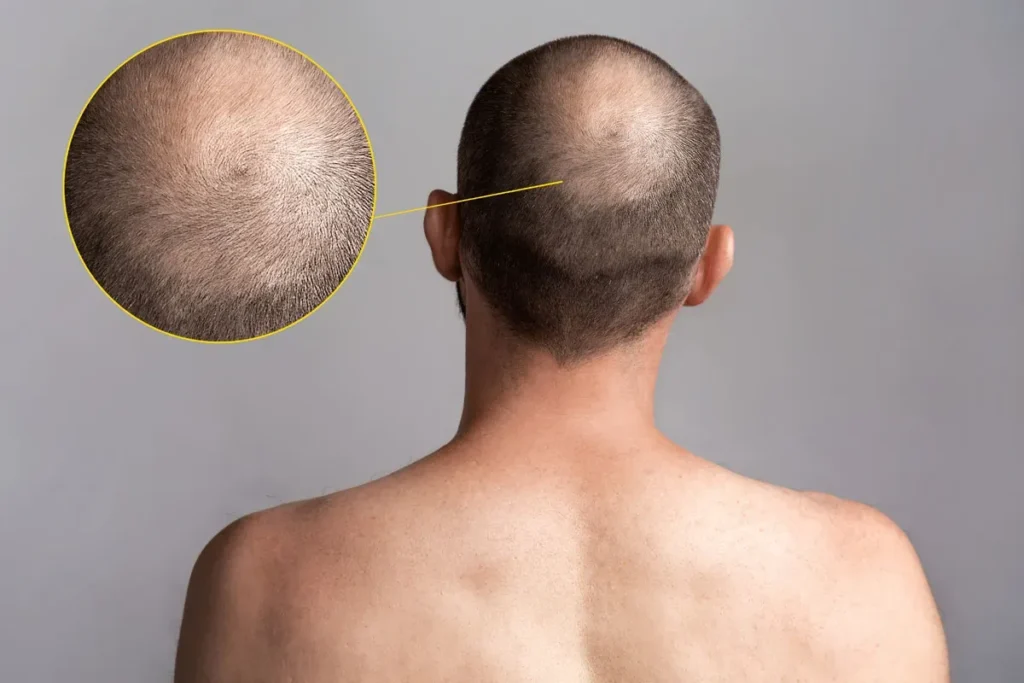
Non-scarring alopecia includes many common hair loss types without permanent scalp damage. These include genetic, temporary, and autoimmune conditions. Knowing these types helps find the right treatment.
Androgenetic Alopecia (Pattern Hair Loss)
Androgenetic alopecia, or pattern hair loss, is a genetic issue. It causes hair thinning in a specific pattern. It’s the most common type of hair loss for both men and women.
The symptoms are gradual hair thinning, mainly on the top and crown. Men often see a receding hairline, while women notice a wider part.
Telogen Effluvium
Telogen effluvium is a temporary condition with diffuse hair shedding. It happens when many hair follicles stop growing and rest, leading to a lot of hair loss. It can be caused by stress, hormonal changes, or poor nutrition.
This condition doesn’t follow a balding pattern. Instead, it causes hair thinning all over the scalp. It’s usually treatable and reversible.
Alopecia Areata
Alopecia areata is an autoimmune condition causing patchy hair loss. It happens when the immune system attacks hair follicles. It can affect the scalp, eyebrows, and beard.
The symptoms are smooth, round patches of hair loss. It can sometimes lead to more extensive hair loss, like alopecia totalis or universalis.
It’s key to understand the differences in non-scarring alopecia types for proper diagnosis and treatment. Each condition has unique features needing specific treatments.
Alopecia Red Scalp Conditions and Scarring Hair Loss
Inflammatory scalp conditions can cause scarring alopecia, leading to permanent hair loss. This happens when hair follicles get destroyed by inflammation. It’s important to know the causes and types of scarring alopecia to manage and treat it effectively.
Identifying Inflammatory Scalp Conditions
Inflammatory scalp conditions can cause scarring alopecia. These include:
Lichen planopilaris: Inflammation around the hair follicle leads to scarring.
Discoid lupus erythematosus: An autoimmune condition causing scalp inflammation and scarring.
Frontal fibrosing alopecia: Affects postmenopausal women, causing hairline recession.
It’s important to spot these conditions early to avoid permanent hair loss. Symptoms include redness, itching, and burning on the scalp.
Scarring (Cicatricial) Alopecia Types
Scarring alopecia has different types based on cause and area affected. The main types are:
Knowing the specific type of scarring alopecia is key to finding the right treatment.
Treatment Options for Scalp Inflammation and Hair Loss
Treatment for scarring alopecia aims to reduce inflammation and promote a healthy scalp. Options include:
Topical corticosteroids: Reduce inflammation and itching.
Antibiotics or antifungals: Treat infections.
Immunosuppressive medications: For autoimmune-related scarring alopecia.
In some cases, platelet-rich plasma (PRP) therapy may be used to stimulate hair growth. Early treatment is critical to prevent permanent damage.
Seeing a dermatologist is important for a correct diagnosis and a tailored treatment plan.
Conclusion
Figuring out the type of hair loss you have is key to finding the right treatment. Different hair baldness types, like androgenetic alopecia and telogen effluvium, need different approaches. This is important for managing your condition well.
If you’re unsure about your hair loss, seeing a dermatologist is a good idea. They can give you a clear diagnosis and suggest treatments that fit your specific case.
There are many ways to tackle hair fall and thinning, from medicines to changing your lifestyle. Knowing what’s causing your hair loss is the first step to fixing it.
Identifying the cause of your hair loss is the first step to a healthier scalp. Whether it’s non-scarring or scarring, getting professional help is vital for managing it right.
FAQ
What are the different types of hair loss?
Hair loss is broadly categorized as non-scarring (reversible) or scarring (permanent). Common types include Androgenetic Alopecia (genetic thinning), Telogen Effluvium (stress-related shedding), Alopecia Areata (autoimmune patches), and Traction Alopecia (tension-based loss).
What is the most common type of hair loss?
The most common type is Androgenetic Alopecia, affecting roughly 50 million men and 30 million women in the U.S. alone. It is a hereditary condition where hair follicles gradually shrink and produce finer, shorter hairs until they stop growing entirely.
What is telogen effluvium?
Telogen effluvium is a temporary form of thinning triggered by a sudden systemic shock, such as high fever, surgery, severe stress, or childbirth. It pushes a large number of follicles into the “resting” phase, causing noticeable shedding roughly three months after the triggering event.
What is alopecia areata?
This is an autoimmune disease where the immune system mistakenly attacks hair follicles, leading to sudden, smooth, circular bald patches. While often localized to the scalp, it can progress to Alopecia Totalis (total scalp loss) or Alopecia Universalis (total body loss).
What is scarring alopecia?
Scarring alopecia (cicatricial alopecia) refers to a group of rare disorders that destroy the hair follicle and replace it with scar tissue. Because the follicle is physically obliterated, the hair loss in these areas is permanent, making early intervention critical to stop the spread.
How is hair loss diagnosed?
Diagnosis typically involves a physical exam, medical history, and a pull test to check shedding rates. In 2026, dermatologists increasingly use digital trichoscopy (high-resolution scalp scans) and blood panels for iron, thyroid, and Vitamin D to pinpoint underlying causes.
Can hair loss be treated?
Yes, most non-scarring types respond well to treatment, especially when started early. Common options include topical minoxidil, oral medications like finasteride, and regenerative therapies like Growth Factor Concentrate (GFC) or Platelet-Rich Plasma (PRP) injections.
What are the treatment options for scarring alopecia?
Treatment focuses on aggressively reducing inflammation to protect remaining follicles using corticosteroid injections, oral antibiotics, or immunosuppressants. Once a patch has fully scarred, hair cannot regrow naturally, and surgical hair transplantation is the only restorative option.
Can scalp inflammation cause hair loss?
Yes, conditions like seborrheic dermatitis or psoriasis can cause inflammation that disrupts the hair cycle and leads to shedding. Chronic irritation and the resulting scratching can also damage follicles or lead to secondary infections that exacerbate hair fall.
How can I prevent hair loss?
Prevention includes maintaining a diet rich in protein, iron, and zinc, while managing stress to keep cortisol levels stable. Avoiding tight hairstyles, using sulfate-free shampoos, and limiting high-heat styling tools will also help preserve the integrity of your hair follicles.
References
National Center for Biotechnology Information. Evidence-Based Medical Insight. Retrieved from https://www.ncbi.nlm.nih.gov/books/NBK538178/





