
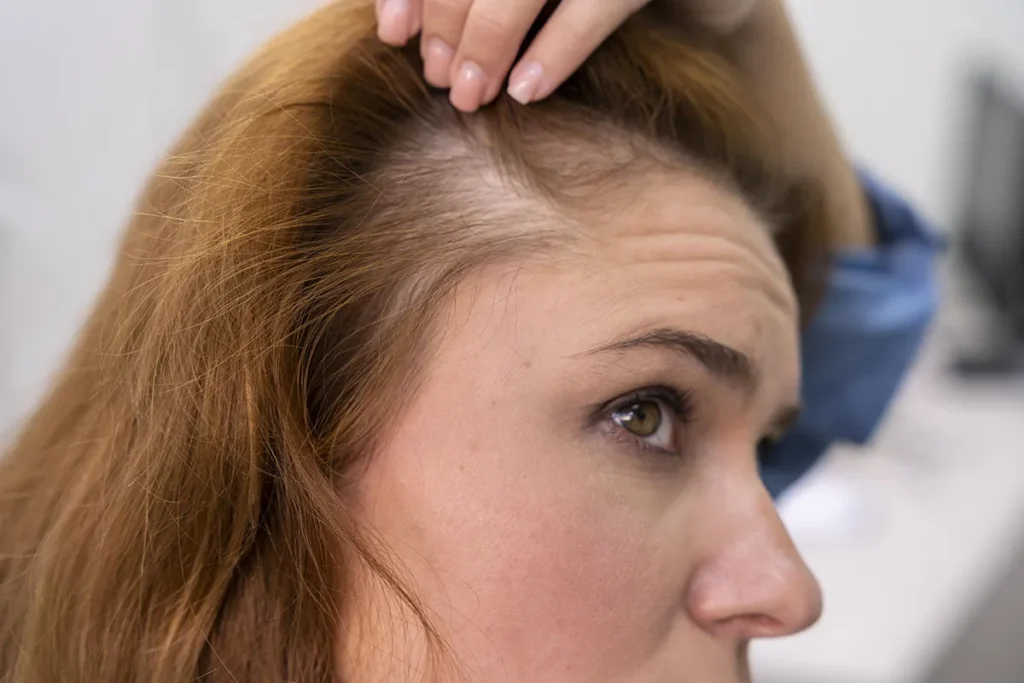
Seeing scabs on your scalp can be scary and uncomfortable. It often makes you worry about your health. Finding out why you have them is key to treating them right.
Dealing with scabs on scalp? Use these amazing fast healing fixes for powerful relief. Stop the scary itching and restore healthy skin now.
Scabs form when the skin heals after being broken or hurt. They can happen from small scratches to serious skin problems. Most scabs go away by themselves, but knowing why they’re there helps them heal better.
Key Takeaways
Scabs on the scalp are a common condition resulting from the body’s natural healing process.
Understanding the root cause is critical for effective treatment.
Various conditions can lead to the formation of scabs, including minor scratches and dermatological disorders.
Most scabs resolve on their own, but proper care is essential.
Identifying the underlying cause ensures appropriate treatment and care.
Understanding Scalp Scabs
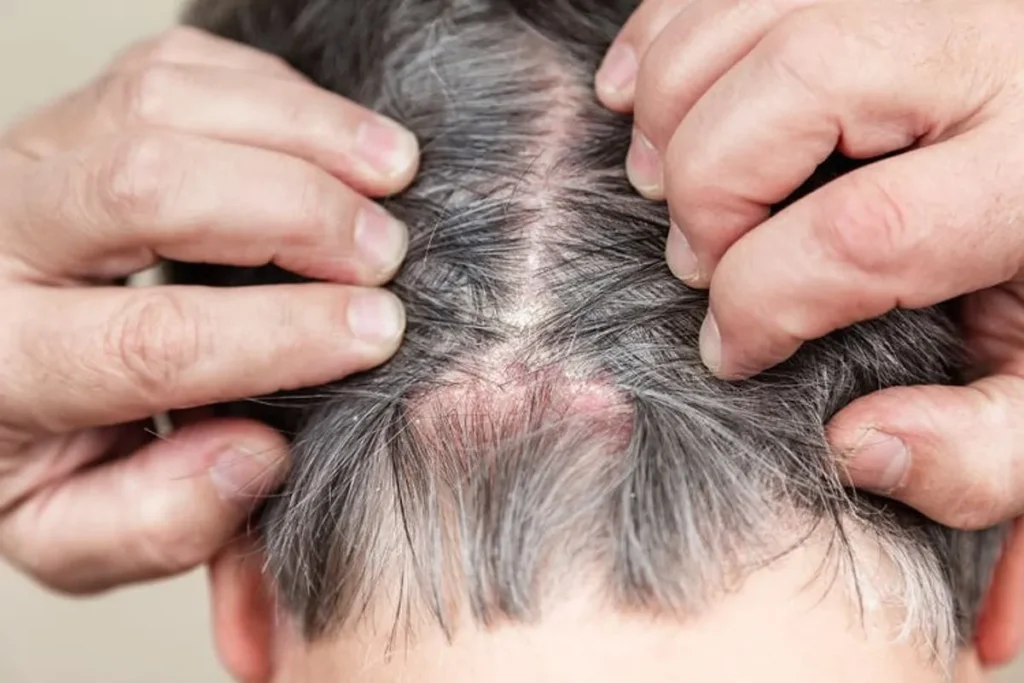
It’s important to know what scalp scabs are to treat them right. They can be uncomfortable and show a problem that needs fixing.
What Are Scalp Scabs?
Scalp scabs are hard patches on the scalp. They can come from injury, infection, or skin issues. These scabs can be itchy and painful and might mean you need to see a doctor.
Scabs form as the body heals. But on the scalp, they can be a big problem because they’re easy to see and can hurt.
How to Identify Scalp Scabs
To spot scalp scabs, look for hard, rough spots on your scalp. They should stand out from the rest of your skin. You might also see redness, itching, or hair loss around them.
Check for visible scabs or crusts on the scalp.
Notice any accompanying symptoms like itching or pain.
Observe if there’s any hair loss around the scabs.
The Anatomy of the Scalp and Why It’s Prone to Scabbing
The scalp has lots of sebaceous glands and hair follicles. This makes it a perfect place for germs and infections to grow. The glands and follicles make the scalp more likely to get scabs.
The scalp’s layout, with lots of blood vessels and being exposed to the outside world, makes it easy to get irritated or infected. This can lead to scabs forming.
Common Causes of Scabs on Scalp
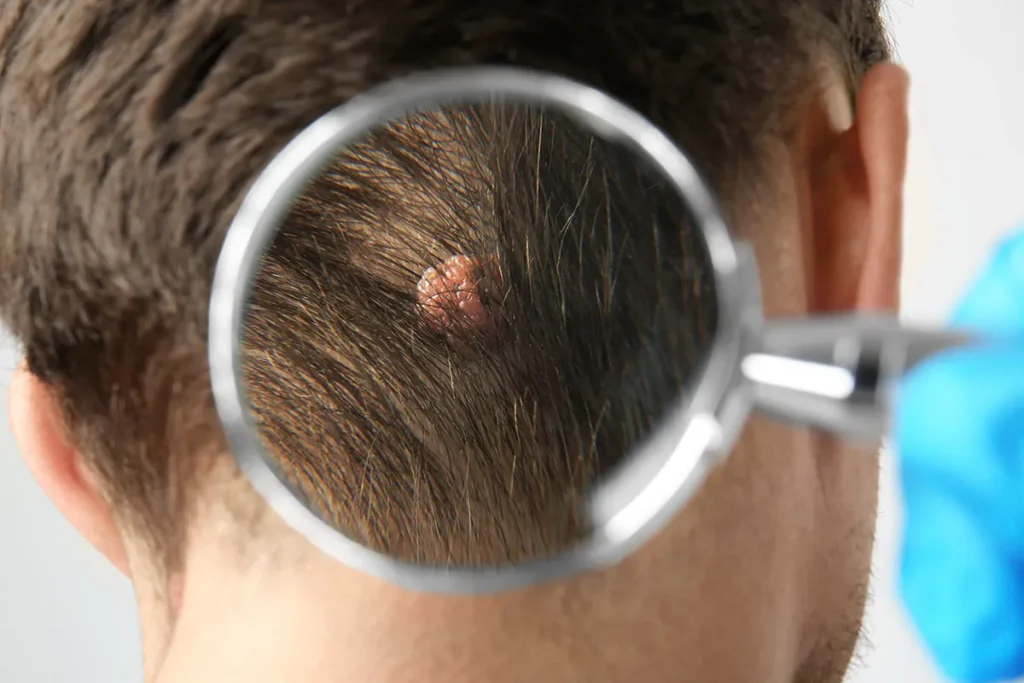
Knowing why scabs form on the scalp is important for treating and preventing them. The scalp is sensitive, and many things can cause scabs. These include inflammatory conditions, infections, and external factors.
Inflammatory Skin Conditions
Inflammatory skin conditions often lead to scabs on the scalp. Psooriasis and seborrheic dermatitis (dandruff) are common culprits. Psoriasis causes red, scaly patches that can become crusty. Seborrheic dermatitis leads to inflammation and flaky skin, which can scab if not treated.
Contact dermatitis is another condition that can cause scabs. It happens when the scalp reacts to hair care products, leading to inflammation and scabbing.
Infections
Infections are a big reason for scabs on the scalp. Head lice infestations are common, causing itching and scabbing. Fungal infections, like ringworm of the scalp, can also cause scabby lesions.
Folliculitis is inflammation of the hair follicles, leading to scabbing. It’s often caused by bacteria or fungi and can be triggered by tight hairstyles or poor hygiene.
External Factors
External factors can also cause scabs on the scalp. Physical injury or excessive scratching can damage the scalp. Harsh hair care products or treatments can irritate it, causing scabs. It’s important to be gentle and avoid products that irritate the scalp.
Understanding these causes helps prevent scabs on the scalp. Identifying the cause is key to managing and preventing future scabs.
Treating and Preventing Scalp Scabs
To treat scalp scabs, you need to know what’s causing them. For conditions like dandruff, medicated shampoos with ketoconazole or zinc pyrithione can help. If it’s an infection, your doctor might give you antifungal or antibacterial meds.
For scabby scalps, corticosteroids can lessen swelling. Keeping your scalp clean and avoiding things that irritate it is key. Use soft hair products and stay away from harsh chemicals to stop scabs.
Preventing scabs on your scalp means taking care of your scalp and making healthy lifestyle choices. Wash your scalp with a mild shampoo, manage stress, and eat well. If scabs keep coming back or are really bad, see a dermatologist for specific advice.
FAQ
Scalp Scabs and Their Causes
Scalp scabs are crusty, raised patches that form when the skin on your head is damaged and attempts to heal itself through clotting and tissue repair. You likely have them due to localized inflammation, persistent scratching, or an underlying skin condition that has compromised the protective barrier of your scalp.
Identifying Scalp Scabs
You can identify scalp scabs by feeling for rough, dry, or bumpy areas that may be flaky, yellow, or dark red in color. These patches are often accompanied by localized itching, tenderness, or a tight sensation on the skin, and they may flake off similarly to dandruff when disturbed.
Scalp Sensitivity to Scabbing
The scalp is highly prone to scabbing because it contains a high density of hair follicles and sebaceous glands, making it a prime environment for oil buildup and bacterial growth. Because the skin here is thin and stretched over the skull, even minor irritation or scratching can easily break the surface and lead to crusting.
Common Causes of Scalp Scabs
The most frequent causes of scalp scabs include seborrheic dermatitis, which creates oily yellowish crusts, and psoriasis, which produces thick, silvery scales. Other common triggers include contact dermatitis from harsh hair dyes, head lice infestations, or infected hair follicles known as folliculitis.
Treating Scalp Scabs
Treating scalp scabs involves using specialized medicated shampoos containing ingredients like ketoconazole, salicylic acid, or coal tar to reduce inflammation and loosen the crusts. It is essential to keep the area clean and avoid picking at the scabs, as this can introduce bacteria and lead to a secondary infection.
Preventing Scab Formation
To prevent scabs, maintain a consistent hair-washing routine that balances oil production without over-drying the skin with excessively hot water. Switching to sulfate-free hair products and avoiding tight hairstyles or frequent chemical treatments can also minimize the mechanical and chemical stress that leads to skin damage.
Contagiousness of Scalp Scabs
Scalp scabs themselves are not contagious, but the underlying cause—such as head lice or a fungal ringworm infection—can be easily spread to others through direct contact or shared items. If the scabs are caused by non-infectious conditions like eczema or psoriasis, there is no risk of passing them to another person.
At-Home Scab Removal
You can manage minor scalp scabs at home by applying warm compresses or natural oils like tea tree or jojoba to soften the crusts before gently washing them away. However, if the scabs are oozing, spreading rapidly, or causing hair loss, you should consult a dermatologist rather than attempting further home extractions.
Small Scabs on the Scalp
Small, pimple-like scabs on the scalp are often the result of scalp acne or folliculitis, where individual hair follicles become clogged and inflamed. These tiny crusts can also be caused by “neurodermatitis,” a cycle where repetitive scratching of a small itchy spot creates a persistent scab that struggles to heal.
Preventing Scabs from Worsening
To prevent scalp scabs from worsening, you must strictly avoid picking or scratching the area, which can lead to permanent scarring or permanent hair follicle damage. Using a soothing, steroid-free scalp serum and sleeping on a silk pillowcase can reduce friction and allow the skin to complete its natural healing cycle undisturbed.
References
National Center for Biotechnology Information. Evidence-Based Medical Insight. Retrieved from https://pmc.ncbi.nlm.nih.gov/articles/PMC3233984/





