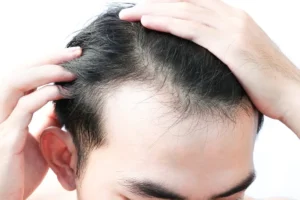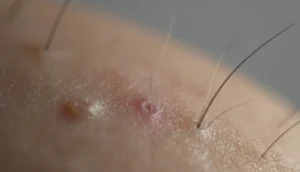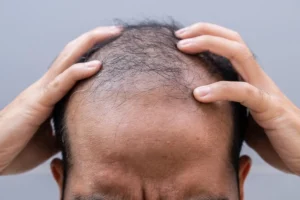
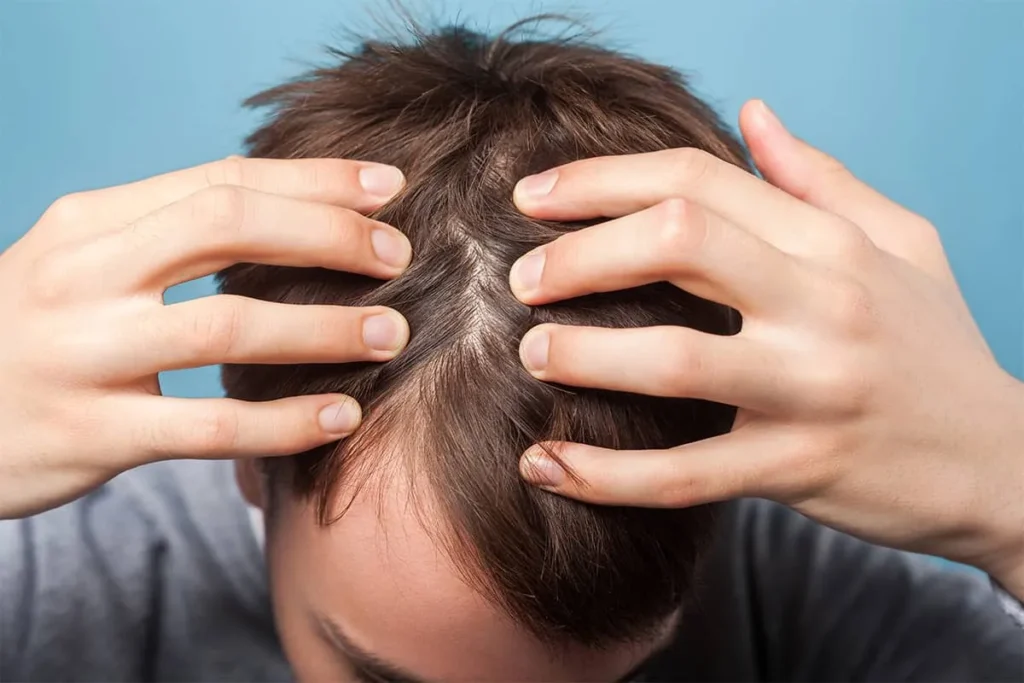
Cradle cap is often seen in newborns but can also hit adults. It shows up as seborrheic dermatitis or dandruff. About 3 to 4 percent of adults have it, with men being more likely to get it.
Do adults get cradle cap? Discover the amazing truth and find powerful treatments to stop scary flakes for incredible, clean scalp results.
Adult cradle cap is marked by white to yellowish flakes and red or greasy skin. It usually pops up on the scalp. It’s a long-term issue that needs constant care. Knowing what causes it, its signs, and how to treat it is key to managing it well.
Key Takeaways
Seborrheic dermatitis affects 3 to 4 percent of the adult population.
It’s more common in men and characterized by flakes and red or greasy skin.
Adult cradle cap is a chronic condition requiring proper diagnosis and treatment.
Understanding the causes and symptoms is key to managing the condition.
Effective treatment options are available for managing seborrheic dermatitis.
Do Adults Get Cradle Cap? Understanding the Condition
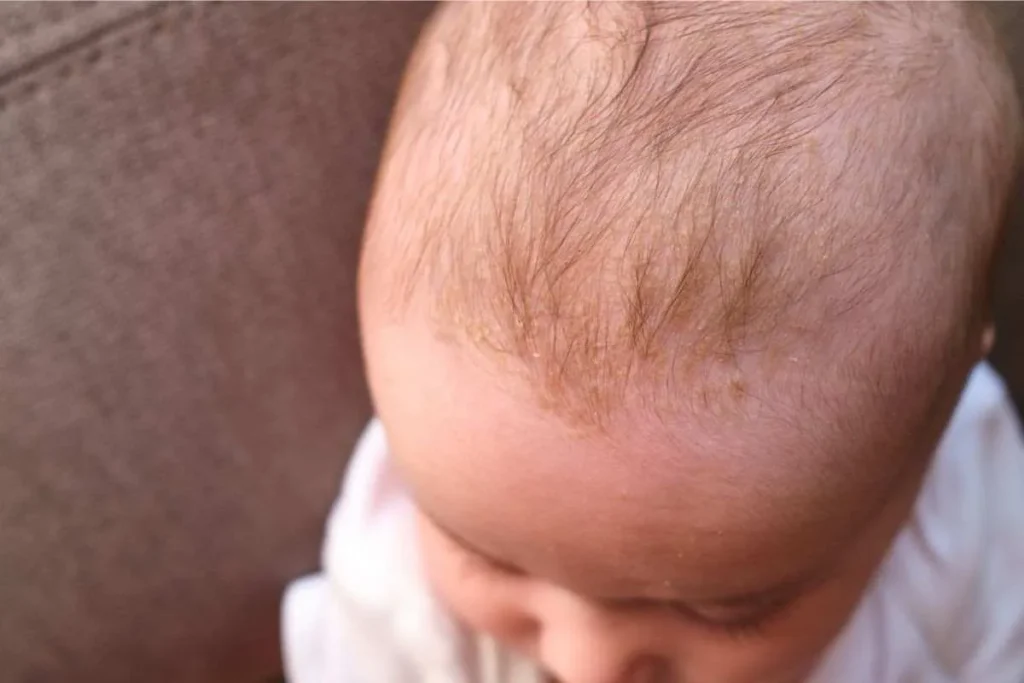
Seborrheic dermatitis, also known as cradle cap in babies, can happen to adults too. It makes the scalp flaky and itchy, sometimes causing redness and irritation. While it’s more common in babies, adults can get it too, called adult cradle cap.
It’s important to know about seborrheic dermatitis in adults for good treatment. This condition isn’t from being dirty, isn’t contagious, and isn’t dangerous. But, it can really bother you and affect your life.
What Is Seborrrheic Dermatitis in Adults
Seborrheic dermatitis in adults is a long-term skin problem. It mainly hits the scalp, causing scaly patches and stubborn dandruff. It can also show up on oily parts of the body, like the face, eyebrows, and between the eyebrows.
The exact reason for seborrheic dermatitis isn’t known. But, it’s thought to be due to too much skin oil, stress, and a weak immune system. It’s more common in men than women. Cold weather, stress, and some health issues can make it worse.
Common Misconceptions About Adult Cradle Cap
Many think adult cradle cap only happens in babies. They also believe it’s from being dirty or is contagious. But, it’s a complex condition influenced by genetics, environment, and health.
Prevalence and Risk Factors
Seborrheic dermatitis can hit anyone, no matter their age. It’s thought to affect about 3-5% of adults. Being overweight, stressed, or having certain health issues can up your risk.
Knowing about these risk factors and how common it is can help manage it better. Spotting the signs early and getting the right treatment can make a big difference in your life.
Causes and Symptoms of Adult Cradle Cap
[Add image here]
Knowing the causes and symptoms of cradle cap in adults is key to managing it. Adult cradle cap, or seborrheic dermatitis, causes flaky, itchy scalp skin. It also brings redness and irritation.
The Three Primary Causes
There are three main reasons for adult cradle cap:
Excessive Sebum Production: Too much sebum makes the scalp oily. This is perfect for Malassezia yeast to grow.
Malassezia Yeast Proliferation: This yeast is on our skin. But when it grows too much, it irritates and inflames.
Inflammation: Our body reacts to Malassezia yeast. This reaction causes inflammation and the symptoms of cradle cap.
Identifying Symptoms and Affected Areas
The symptoms of seborrheic dermatitis in adults include:
Flaking skin on the scalp, eyebrows, or oily body parts
Greasy skin with flaky white or yellow scales
Itchy or irritated skin on affected areas
Common Triggers for Flare-Ups
Several things can make cradle cap in adults worse, including:
Stress: High stress can make symptoms worse.
Cold Weather: Dry, cold air dries out the skin, causing more flaking.
Hormonal Changes: Changes in hormones can affect sebum production and cause cradle cap symptoms.
Knowing these cradle cap triggers helps manage the condition. It also reduces flare-ups.
Effective Treatment Options for Adult Cradle Cap
Managing adult cradle cap requires a mix of treatments and lifestyle changes. Knowing your options is key to picking the best treatment.
Over-the-Counter Medicated Shampoos
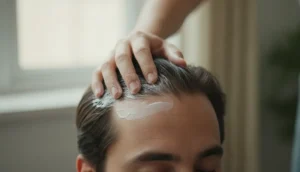
OTC medicated shampoos are often the first choice for adult cradle cap. They contain ingredients like ketoconazole, ciclopirox, or coal tar. These help fight fungal growth and reduce inflammation.
Some top OTC shampoos for cradle cap include:
Shampoos with ketoconazole, known for their antifungal properties.
Shampoos containing ciclopirox, which also has antifungal effects.
Coal tar shampoos, which can help in reducing scaling and inflammation.
Prescription Treatments for Severe Cases
If OTC treatments don’t work, you might need prescription treatments. These include stronger antifungal shampoos or corticosteroid lotions to fight inflammation.
Medical Expert, a dermatologist, says, “For severe cases of adult cradle cap, prescription-strength treatments can provide significant relief by targeting the underlying causes of the condition.”
Natural and Home Remedies
Medical treatments aren’t the only way to manage cradle cap. Natural and home remedies can also help. Applying mineral oil or olive oil to the scalp can loosen scales and reduce inflammation.
Some people find relief with:
Tea tree oil for its antifungal properties.
Apple cider vinegar to help balance the scalp’s pH.
Coconut oil for its moisturizing and antifungal effects.
Understanding the range of treatment options helps adults with cradle cap make informed choices. Whether it’s OTC medicated shampoos, prescription treatments, or natural remedies, the goal is to find a treatment plan that effectively manages symptoms and improves quality of life.
Conclusion: Long-Term Management Strategies
Managing cradle cap in adults needs a long-term plan. Seborrheic dermatitis is a chronic condition. So, ongoing care is key to avoid complications and keep life quality high.
For long-term success, mix lifestyle changes with treatment. Using medicated shampoos is a good start. A consistent skincare routine and lifestyle adjustments are also important.
To tackle cradle cap in adults, be proactive with treatment. Use antifungal or anti-dandruff shampoos regularly. Also, reduce stress and avoid harsh skin products. These steps help manage cradle cap and lessen flare-ups.
FAQ
Understanding “Cradle Cap” in Adults
While the term “cradle cap” is traditionally used for infants, in adults the condition is medically known as seborrheic dermatitis. It presents as a thick, crusty, or oily scaling on the scalp that can look remarkably similar to the infantile version, though in adults it is often a chronic condition rather than a temporary phase.
Prevalence in Adults
Adults can certainly get this condition, and it is actually quite common, especially during periods of hormonal change or high stress. Unlike infants, who usually outgrow it as their maternal hormones dissipate, adults often deal with it as a recurring issue that fluctuates based on weather, health, and scalp hygiene.
Primary Causes of Adult Scaling
The primary cause is an inflammatory overreaction to Malassezia, a yeast-like fungus that lives on everyone’s skin and feeds on sebum (natural oil). When the oil glands are overactive, the yeast population grows, triggering the body to produce excess skin cells that clump together into the characteristic thick, yellowish crusts.
Symptoms of Adult Involvement
Symptoms include greasy, stubborn scales that may be white or yellow, often accompanied by underlying redness and a persistent itch. In some cases, the crusts can feel “stuck” to the hair shafts, and if the condition spreads, it may appear in the eyebrows, around the nose, or even in the beard area.
Best Shampoos for Treatment
The most effective shampoos for “adult cradle cap” contain ketoconazole, selenium sulfide, or coal tar, which help break down the crusts and kill the underlying yeast. Shampoos with salicylic acid are also excellent for “keratolytic” action, meaning they help to chemically exfoliate and dissolve the thick scales so they can be washed away easily.
Natural Remedies for Scaling
Natural treatments like tea tree oil have potent antifungal properties that can help manage the yeast population without harsh chemicals. Additionally, applying warmed mineral oil or olive oil to the scalp for 20 minutes before washing can help soften and loosen the thick crusts, making them much easier to comb out gently.
Cradle Cap and Hair Loss
The condition itself does not typically cause permanent hair loss, but the inflammation and the physical act of picking at the scales can lead to temporary thinning. If the crusts are very thick, they can sometimes “trap” hairs, causing them to fall out prematurely when the scale eventually detaches, though these hairs usually grow back once the scalp heals.
Preventing Future Flare-ups
To prevent recurrence, it is essential to keep the scalp clean and free of excess oil by washing frequently, especially after sweating or using styling products. Regularly using a medicated maintenance shampoo once a week and managing stress levels can keep the oil-yeast cycle in check and prevent the crusts from reforming.
References
National Center for Biotechnology Information. Evidence-Based Medical Insight. Retrieved from https://www.ncbi.nlm.nih.gov/books/NBK551707/[2