
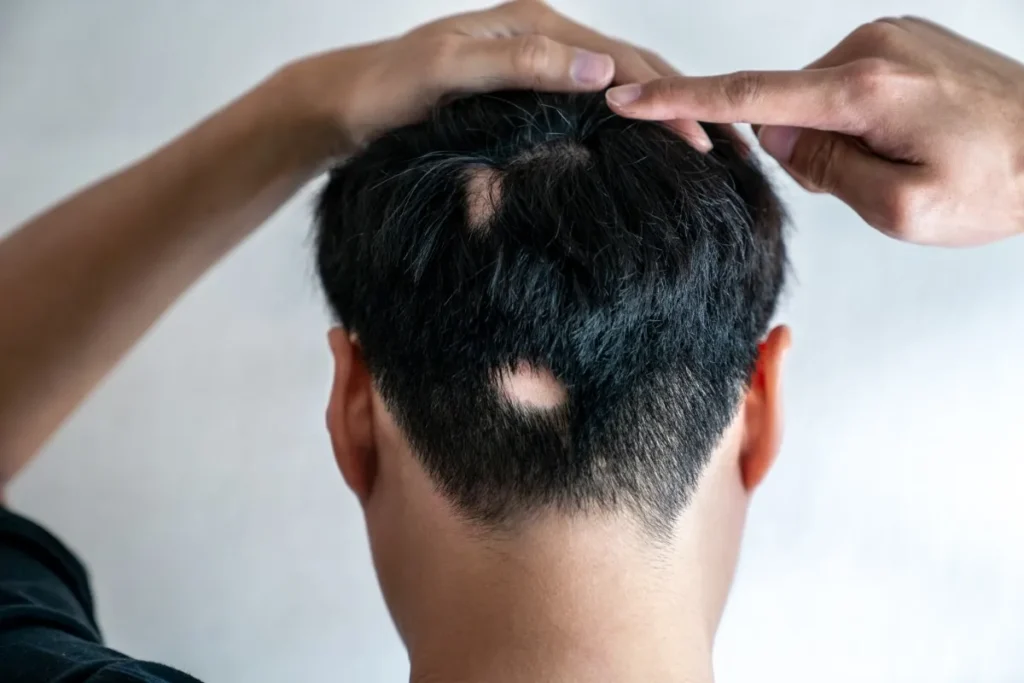
Are you dealing with itchy, painful bumps under your hair? Scalp pimples, also known as scalp acne or scalp folliculitis, happen when hair follicles get blocked. This blockage is caused by too much sebum, dead skin, or bacteria. It leads to whiteheads, pustules, and sometimes painful bumps.
Facing pimples on head under hair? Use these amazing cures for powerful relief. Stop the scary pain and achieve incredible, clear skin fast.
Scalp acne is different from facial acne. The scalp has thick skin, lots of oil glands, and trapped sweat. This makes it a perfect place for bacteria to grow and block follicles. Scalp acne can be caused by product buildup, hormonal changes, or too much sweat. But, it’s very treatable.
Key Takeaways
Scalp acne occurs when hair follicles become clogged.
It’s triggered by excess sebum, dead skin cells, or bacteria.
Scalp breakouts are different from facial acne due to the scalp’s unique environment.
Treatment is available for scalp acne.
Product buildup, hormonal changes, and excessive sweating can cause scalp acne.
Understanding Scalp Acne and Its Causes
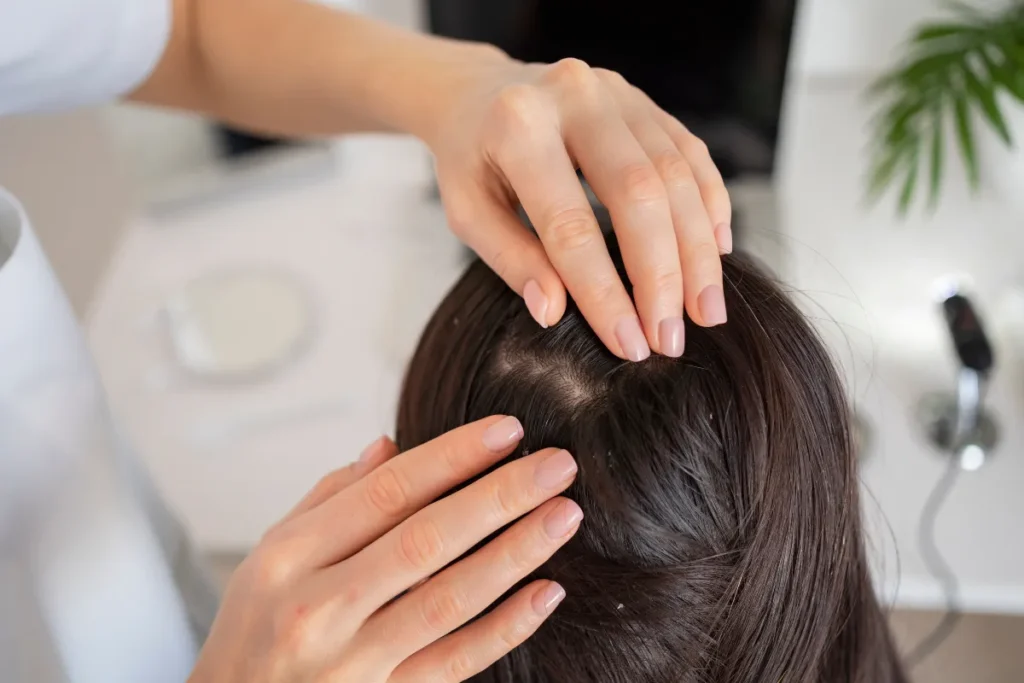
Knowing why scalp acne happens is key to treating and preventing it. Scalp acne, or scalp folliculitis, is when hair follicles on the scalp get inflamed. This leads to pimples, redness, and sometimes hair loss.
What Is Scalp Folliculitis
Scalp folliculitis is when hair follicles on the scalp get inflamed. This can be due to bacterial or fungal infections. It causes pimples, pustules, or boils on the scalp. It can be painful and may leave scars if not treated right.
Key factors contributing to scalp folliculitis include:
Tight hairstyles that cause friction
Poor scalp hygiene
Using comedogenic hair products
Sweat and oil buildup
Why the Scalp Is Prone to Breakouts
The scalp is more likely to get breakouts because of its many sebaceous glands. These glands produce sebum, which mixes with dead skin cells, sweat, and other stuff. This clogs hair follicles and causes acne. The scalp’s warm, moist environment also helps bacteria and fungi grow, making acne worse.
The anatomy of the scalp is important for understanding acne. The scalp has more sebaceous oil glands than other parts of the body. This means it produces more sebum, making it more likely to clog.
Symptoms of Scalp Acne
Scalp acne can show up in different ways, like red bumps, whiteheads, and blackheads. In bad cases, it can cause painful cysts or nodules. Symptoms can also include itchiness, tenderness, and hair loss in the affected areas.
Common Triggers for Pimples on Head Under Hair
Pimples on the scalp often come from certain triggers. Knowing these can help you treat them better.
Product Buildup and Acne Cosmetica
Using hair products can cause buildup and acne cosmetica. This happens when products clog hair follicles, causing pimples. Choose products labeled “non-comedogenic” or “oil-free” to avoid this.
Common culprits include:
Hair gels and pomades
Hairsprays
Conditioners that are not properly rinsed
Sweat-Induced Scalp Breakouts
Sweat can cause scalp breakouts, more so after exercise or in hot weather. Not cleaning sweat from the scalp can mix with bacteria and oil, causing pimples. Washing your scalp with a gentle shampoo regularly can help.
Prevention tips:
Wash your scalp regularly, after sweating
Use a gentle, non-comedogenic shampoo
Excessive Sebum Production
Too much sebum can block hair follicles and cause scalp acne. Hormonal changes, genetics, and some hair products can increase sebum. Keeping your scalp clean and using the right hair products can help manage sebum.
Understanding and managing these triggers can help reduce scalp pimples. This keeps your scalp healthier.
Effective Treatment Methods for Scalp Pimples
Scalp acne treatment needs patience and a mix of steps to clear and prevent breakouts. It involves good scalp hygiene, the right products, and sometimes, professional advice.
Daily Scalp Care Routine
Keeping up a daily scalp care routine is key in managing scalp acne. Using non-comedogenic hair products and regular hair washing helps avoid buildup. This reduces scalp pimples.
Gently massaging your scalp while shampooing removes dead skin cells. It also boosts circulation, helping in healing and preventing future pimples.
Over-the-Counter Solutions
Over-the-counter (OTC) solutions are often the first step against scalp pimples. Products with salicylic acid or benzoyl peroxide fight acne by reducing inflammation and stopping bacteria growth.
When using OTC treatments, always follow the instructions. Be patient, as results may take time.
When to Seek Professional Help
If scalp acne doesn’t get better with OTC treatments and good care, it’s time to seek professional help. A dermatologist can diagnose and suggest better treatments, like prescription meds or more scalp care advice.
For painful or big pimples, expert advice is critical. It helps avoid scarring and ensures proper management.
Conclusion: Prevention Strategies for a Healthy Scalp
To prevent scalp acne, keep your hair clean with a gentle shampoo. This helps avoid pimples on the back of your head. It’s also important to use the right hair products.
Choosing non-comedogenic hair products is key. These products don’t block pores, which helps prevent scalp spots and acne. This is a big step in keeping your scalp healthy.
For a healthy scalp, regular care is essential. Use gentle products and follow these tips. Doing so will help keep your scalp free from acne and promote overall health.
FAQ
What are scalp pimples?
Scalp pimples are small, inflamed bumps on the scalp caused by blocked hair follicles or infection.
Why do I get pimples on my scalp from shampoo?
Certain shampoos can irritate the scalp or clog pores, leading to breakouts.
Can you get spots on your head from sweating?
Yes, sweat can mix with oil and bacteria, causing scalp pimples.
How to get rid of pimples on my scalp?
Use medicated shampoos, keep the scalp clean, avoid scratching, and consult a doctor if severe.
What is scalp folliculitis?
It is an infection or inflammation of hair follicles on the scalp, causing red bumps or pustules.
Can acne on the scalp cause hair loss?
Severe or chronic scalp acne can lead to temporary hair thinning due to inflammation.
How to prevent pimples on the back of the head?
Keep hair clean, avoid heavy hair products, and wash sweat after exercise.
Are scalp pimples painful?
They can be mildly to moderately painful, especially if inflamed or infected.
What are the symptoms of scalp acne?
Red bumps, pustules, itching, tenderness, and sometimes mild scaling or flaking.
References
National Center for Biotechnology Information. Evidence-Based Medical Insight. Retrieved from https://pmc.ncbi.nlm.nih.gov/articles/PMC4908932/





