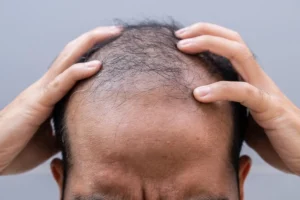
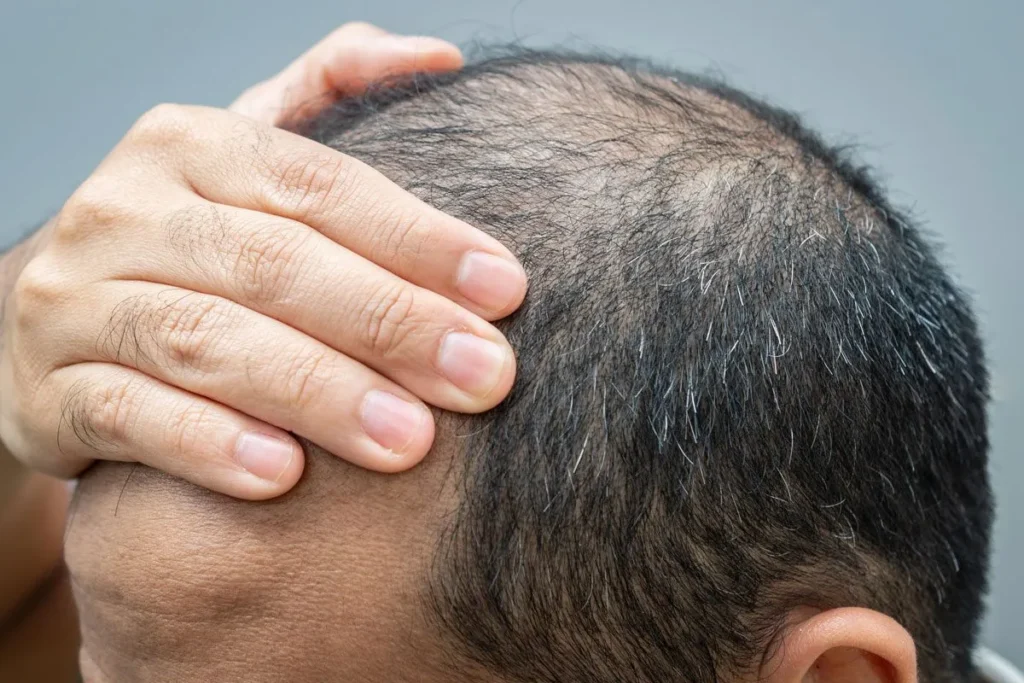
Losing hair can be really upsetting. While genetics and hormones are known causes, research shows a surprising link with vitamin D deficiency and hair loss. Many people don’t realize this.
Get a big win using vitamin d or d3 for hair loss. Discover amazing, powerful benefits to stop scary thinning and regrow incredible hair.
Recent studies found that about 51.94% of those with alopecia areata, 50.38% with female pattern hair loss, and 47.38% with male androgenic alopecia have vitamin D deficiency. This shows vitamin D might play a big role in keeping hair healthy.
It’s important to understand how vitamin D deficiency can lead to hair loss. At Gold City Hair, we focus on each patient’s needs. We do detailed nutritional checks to find and fix any deficiencies.
Key Takeaways
Vitamin D deficiency is a big factor in many hair loss cases.
Recent studies show a high rate of vitamin D deficiency in patients with alopecia areata and other hair loss conditions.
Fixing nutritional gaps is key for treating hair loss fully.
Our patient-focused approach helps find and treat the root causes of hair loss.
Vitamin D might help keep hair healthy.
The Relationship Between Vitamin D and Hair Health
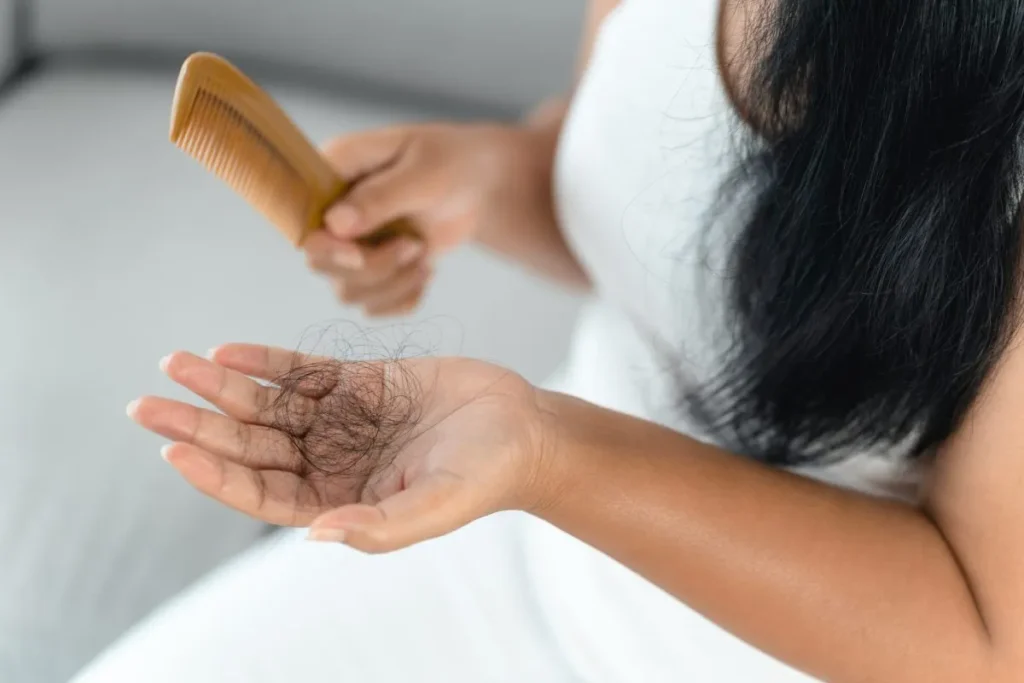
Understanding how vitamin D affects hair health can help fight hair loss. Studies show that low vitamin D levels are linked to hair loss. This suggests vitamin D is key to keeping hair healthy.
How Vitamin D Affects Hair Follicle Cycling
Vitamin D boosts hair growth by stimulating hair follicles during the anagen phase. It does this by working with vitamin D receptors (VDR) in hair cells. This interaction is vital for hair follicle cycles to work right.
The anagen phase is when hair grows. Vitamin D’s role in this phase is critical for healthy hair growth. A lack of vitamin D can disrupt hair growth cycles, causing hair loss.
Vitamin D Receptor Expression and Keratinocyte Function
Vitamin D receptors in hair cells are important for keratinocyte function. Keratinocytes are the main cells in the skin’s outer layer. Vitamin D helps these cells grow and differentiate, affecting hair growth.
Research shows vitamin D receptors are key to hair follicle health. Without enough vitamin D, keratinocyte function is harmed. This can lead to hair loss and scalp problems.
The table shows how vitamin D and hair loss are connected. It’s clear that enough vitamin D is important for preventing hair loss and promoting hair growth.
Vitamin D or D3 for Hair Loss: Scientific Evidence
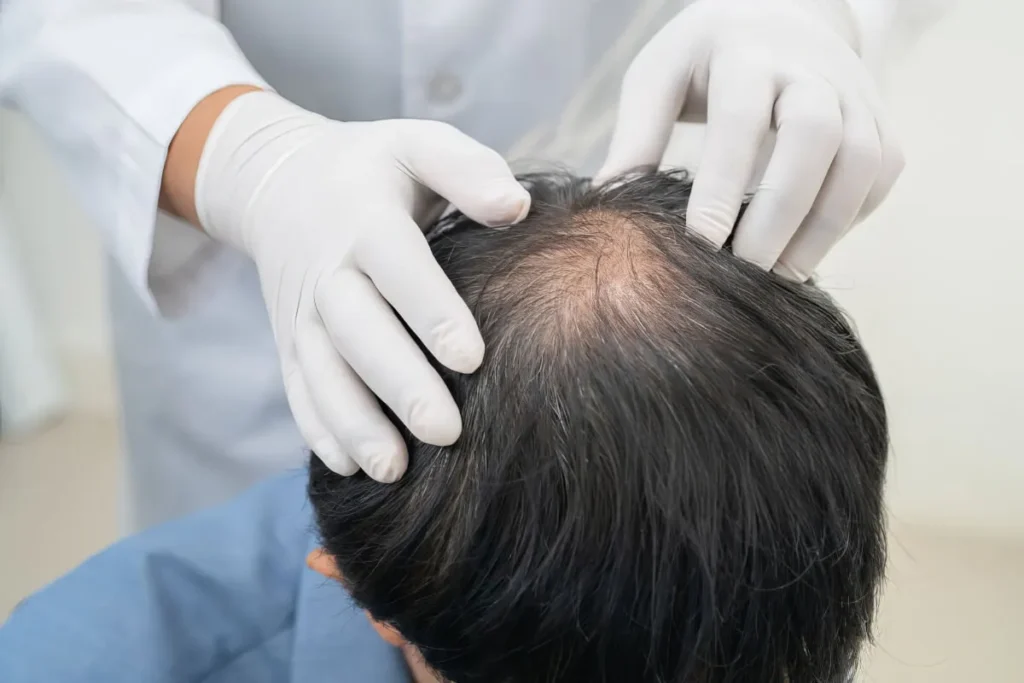
Vitamin D is important for hair health. It helps keep hair follicles healthy and controls hair growth. A lack of vitamin D can lead to different types of hair loss.
Vitamin D deficiency is linked to hair loss types like alopecia areata and androgenetic alopecia. A recent study found that about 51.94 percent of alopecia areata patients lack vitamin D.
Research Findings on Vitamin D Deficiency and Alopecia
Research has shown a strong link between vitamin D levels and alopecia. Vitamin D deficiency is more common in alopecia areata patients than in the general population.
A study in the Journal of Clinical and Aesthetic Dermatology found vitamin D helps alopecia areata patients grow hair. Another study in the Journal of Dermatology showed lower vitamin D receptor expression in alopecia areata patients.
Statistical Data on Different Types of Hair Loss
Understanding vitamin D deficiency in hair loss types is key. Vitamin D deficiency is more common in alopecia areata, affecting about 51.94 percent of patients.
A study on androgenetic alopecia found lower vitamin D levels in patients. It suggested vitamin D deficiency might contribute to androgenetic alopecia.
Key Findings:
Vitamin D deficiency is more prevalent in patients with alopecia areata.
Vitamin D supplementation improves hair growth in patients with alopecia areata.
Vitamin D receptor expression is significantly lower in patients with alopecia areata.
In conclusion, vitamin D is vital for hair health. Its deficiency is linked to various hair loss types. More research is needed to understand the vitamin D and hair health connection.
Types of Hair Loss Associated with Vitamin D Deficiency
Vitamin D deficiency is linked to several hair loss types. Each has its own signs. Knowing these conditions helps tackle hair loss and promote growth.
Androgenetic Alopecia
Androgenetic alopecia, or male/female pattern baldness, is common. It’s caused by genetics and hormones. Research shows vitamin D deficiency can make it worse. Vitamin D helps control hair growth cycles.
How vitamin D affects androgenetic alopecia is being studied. But, keeping vitamin D levels up is good for hair health.
Alopecia Areata
Alopecia areata causes patchy hair loss due to an autoimmune issue. Studies find vitamin D deficiency is common in those with alopecia areata. Vitamin D might help control the immune system, affecting alopecia areata severity.
Some research suggests vitamin D supplements could help with alopecia areata. But, more studies are needed to be sure.
Telogen Effluvium and Other Non-Scarring Alopecias
Telogen effluvium leads to a lot of hair shedding. It’s often caused by stress, poor nutrition, or hormonal changes. Vitamin D deficiency may play a role in telogen effluvium. Getting enough vitamin D could help.
Other non-scarring alopecias, like those from poor nutrition or medical issues, might also be linked to vitamin D levels. Keeping vitamin D levels right is key for hair health and may prevent or lessen these conditions.
Understanding hair loss types linked to vitamin D deficiency helps prevent it. Getting enough vitamin D through sun, diet, and supplements is vital for hair health.
Conclusion
Vitamin D deficiency is linked to hair loss, including androgenetic alopecia and alopecia areata. Research shows that fixing vitamin D levels can help hair grow back. This can be done through sunlight, diet, and supplements.
People with hair loss and low vitamin D can see hair health improve. By addressing the deficiency, many notice better hair growth. This can help solve air loss low vitamin d and air vitamin d deficiency.
Vitamin D is key for hair follicle cycling and keratinocyte function. Research on vitamin D for hair loss is ongoing. Early results are promising, showing vitamin D can help hair regrow.
FAQ
Can vitamin D deficiency cause hair loss?
Yes, low vitamin D levels can contribute to hair thinning and hair loss, particularly in cases of telogen effluvium or alopecia areata.
How does vitamin D affect hair health?
Vitamin D helps regulate the hair growth cycle and supports the health and activation of hair follicle stem cells.
Is vitamin D3 effective for hair loss?
Supplementing with vitamin D3 can help restore normal levels and may support hair regrowth in people with deficiency-related hair loss.
What are the types of hair loss associated with vitamin D deficiency?
Common types include telogen effluvium (diffuse shedding) and alopecia areata (patchy hair loss).
Can correcting vitamin D deficiency help restore hair growth?
Yes, restoring adequate vitamin D levels can improve hair follicle function and promote regrowth, though results may take several months.
Is vitamin D good for hair regrowth?
Vitamin D supports hair follicle health and can aid regrowth when deficiency is the underlying cause.
Can low vitamin D cause hair thinning?
Yes, chronic vitamin D deficiency can weaken hair follicles, leading to thinning and increased shedding.
How does vitamin D deficiency affect hair follicle cells?
Deficiency reduces activation of follicle stem cells, disrupts the hair growth cycle, and can push hairs prematurely into the resting phase.
References
National Center for Biotechnology Information. Evidence-Based Medical Insight. Retrieved from https://pubmed.ncbi.nlm.nih.gov/34553483/