
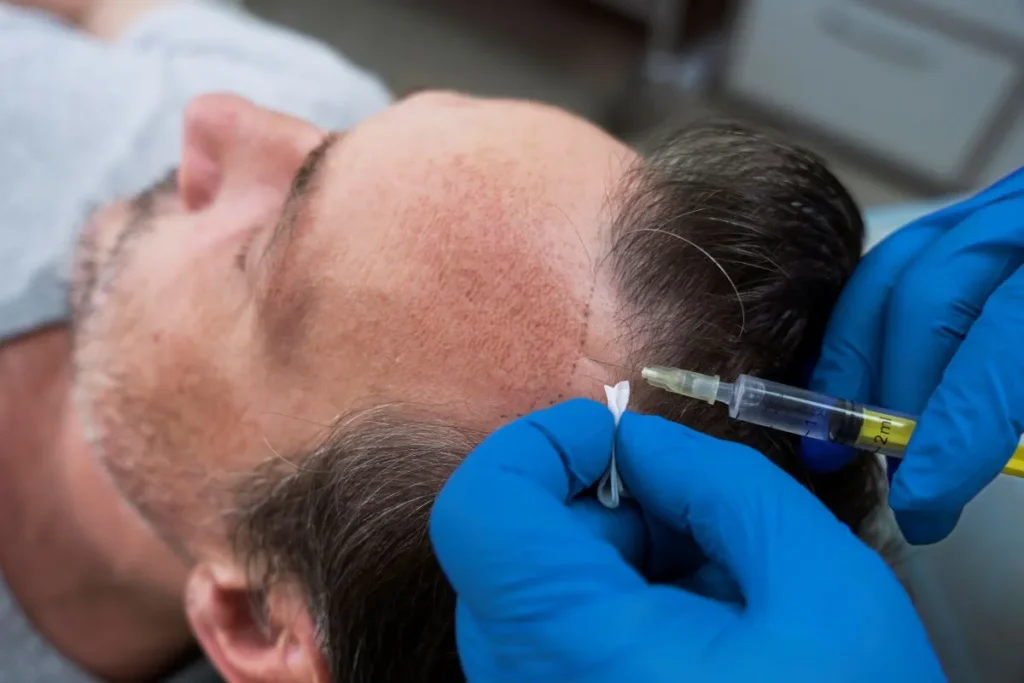
Does your scalp feel like it’s on fire while your hair is falling out? Burning scalp sensation, medically known as trichodynia, affects millions of people. It can really impact your quality of life.
Learn how to stop burning sensation on scalp with this amazing win. Use powerful, incredible remedies to end scary scalp irritation forever.
Stress, nerve sensitivity, or hair loss conditions can cause it. Knowing what’s behind your burning scalp is the first step to feeling better.
Experts at gold city hair use their knowledge and care for you to find out why your scalp is burning. They then offer effective solutions.
Key Takeaways
Understanding the causes of burning scalp sensation is key to relief.
Trichodynia can be triggered by stress and nerve sensitivity.
There are effective solutions to stop the burning scalp sensation.
Dermatological expertise is vital in treating scalp burning conditions.
Patient-centered care helps find the root cause of scalp burning.
Understanding Scalp Burning Sensation
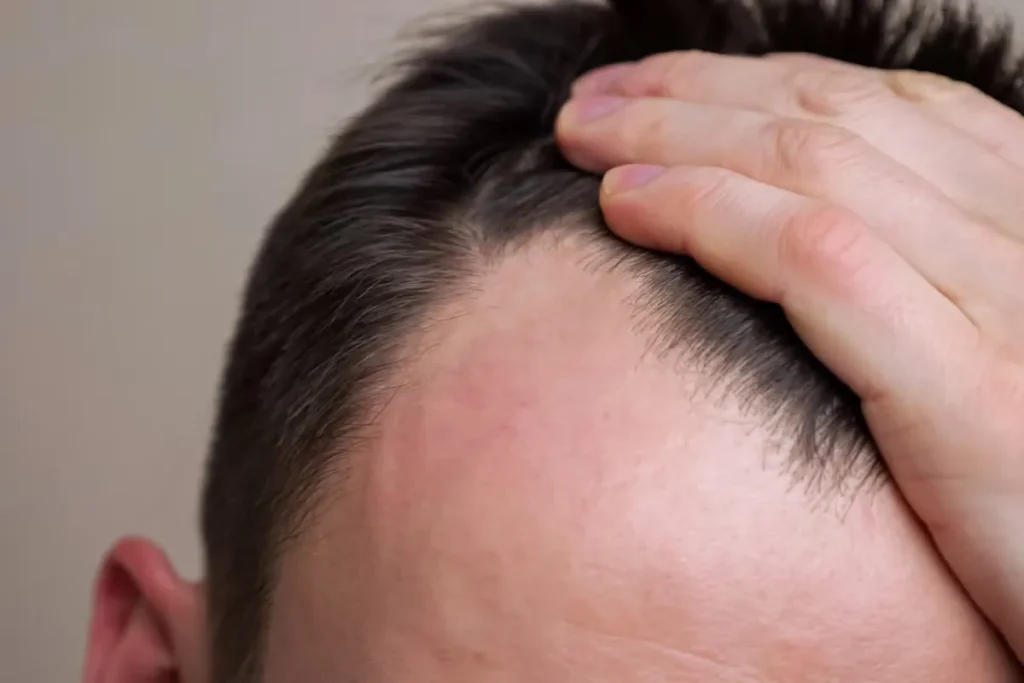
Trichodynia, or scalp dysesthesia, is a condition where the scalp feels like it’s burning. It doesn’t show any signs of disease. This can really affect someone’s life, making them feel uncomfortable and upset.
What is Trichodynia or Scalp Dysesthesia?
Trichodynia is when people feel a burning on their scalp. It’s also called scalp dysesthesia. The feeling can be mild or very strong. This is more than just scalp irritation. It involves the brain and emotions.
The exact cause of trichodynia is not fully known. But it might be linked to hair loss, stress, and inflammation on the scalp.
Prevalence and Connection to Hair Loss
Research shows trichodynia affects many with hair loss. About 20% of women and 9% of men with hair loss also have trichodynia. There’s a strong link between trichodynia and hair loss conditions like telogen effluvium and alopecia areata.
The link between trichodynia and hair loss is complex. It’s not just about scalp irritation from hair loss. It involves deeper physical and emotional factors. Understanding this is key to finding good treatments.
People with trichodynia often say it really affects their life. The burning can make them stressed, which can make the problem worse. Managing trichodynia well is important. It needs medical help and changes in lifestyle.
Common Causes of Burning Scalp Sensation
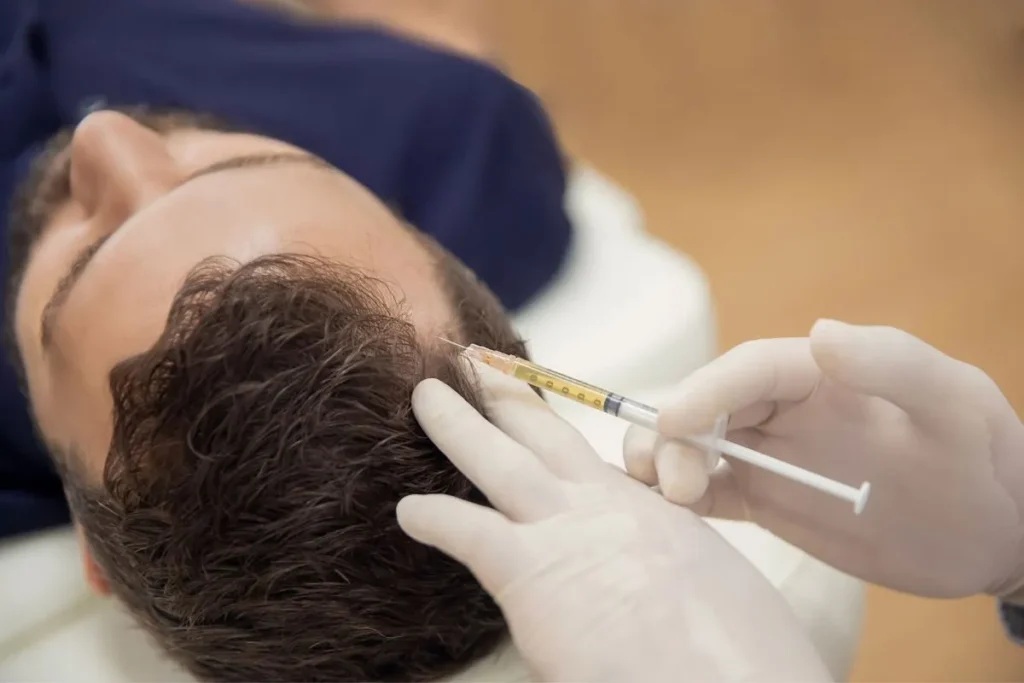
It’s important to know why your scalp might feel like it’s on fire. This could be due to telogen effluvium or alopecia areata. The scalp is very sensitive, and a burning feeling can signal a problem that needs to be looked into.
Telogen Effluvium and Alopecia Areata
Telogen effluvium makes you lose a lot of hair, often because of stress, hormonal changes, or not eating well. It can make your scalp feel hot because it messes with how hair grows. Alopecia areata is when your body attacks your hair, causing patches to fall out. It can also make your scalp itch or burn.
Post-COVID Scalp Inflammation
After COVID-19, some people have noticed their scalp gets inflamed and burns. This might happen because their body is reacting to the virus.
Neurogenic and Psychological Triggers
Stress, anxiety, and other mental issues can make your scalp feel like it’s burning. This is because your body can turn these feelings into physical sensations. For example, scalp dysesthesia is when your scalp feels like it’s on fire, even if there’s nothing wrong with it.
In summary, there are many reasons why your scalp might feel hot or itchy. These include hair loss conditions, inflammation after COVID-19, and even mental or nervous system issues. Finding out what’s causing it is key to feeling better.
How to Stop Burning Sensation on Scalp: 5 Proven Solutions
The burning sensation on your scalp can be really uncomfortable. But, there are many ways to make it better. You can take care of your hair, change your lifestyle, and manage stress.
Gentle, Medicated Shampoos with Anti-Inflammatory Properties
Choosing the right shampoo is key to feeling better. Look for shampoos that fight inflammation. Ingredients like ketoconazole, zinc pyrithione, or tea tree oil are good choices.
It’s also important to pick a shampoo that fits your scalp type. If your scalp is sensitive, go for fragrance-free and hypoallergenic options. This can help avoid more irritation.
Cooling Techniques and Cold Compresses
Cooling your scalp can give you quick relief. A cold compress can reduce swelling and numb the pain. You can use a cold pack or a bag of frozen peas in a towel.
Other ways to cool your scalp include using cooling serums or masks. Ingredients like menthol or aloe vera can help calm your scalp and lessen the burning.
Natural Anti-Inflammatory Remedies
There are natural remedies that can help with burning scalp sensation. Some of these include:
Coconut Oil: Known for its moisturizing and anti-inflammatory properties.
Aloe Vera: Soothes and calms the scalp, reducing inflammation.
Apple Cider Vinegar: Helps balance the scalp’s pH and reduce irritation.
Stress Management and Scalp Relaxation Methods
Stress can make scalp issues worse, including burning sensations. Managing stress is important. Try meditation, yoga, or deep breathing exercises to reduce stress.
Scalp relaxation methods like scalp massage can also help. Massaging your scalp gently can improve blood flow and reduce tension. This can help relax your scalp muscles and promote healing.
Conclusion
It’s important to find and fix the reasons for a burning scalp to feel better and keep the scalp healthy. Trichodynia, or scalp dysesthesia, can be hard to handle. But, knowing the main causes helps start the healing process.
To manage a burning scalp, use gentle, medicated shampoos and cool treatments. Also, managing stress is key. These steps can help lessen the pain and help hair grow well.
Scalp health is tied to our overall well-being. Fixing a burning scalp is key to keeping it healthy and stopping hair loss. By tackling the causes and using the right treatments, people can live better and avoid more hair loss problems.
FAQ
What is trichodynia or scalp dysesthesia?
Trichodynia, also called scalp dysesthesia, is a condition where the scalp feels painful, burning, tingling, or itchy without visible signs of injury or infection. It is often linked to stress, inflammation, or hair loss.
Is burning scalp sensation related to hair loss?
Yes, burning or tingling sensations can accompany hair loss, especially in conditions like telogen effluvium or androgenetic alopecia. Inflammation around hair follicles may trigger discomfort.
What are the common causes of burning scalp sensation?
Common causes include scalp inflammation, dermatitis, fungal or bacterial infections, allergic reactions, stress, and certain hair treatments. Neurological or post-viral conditions can also contribute.
How can I alleviate burning scalp sensation?
Relieve discomfort by using gentle shampoos, avoiding harsh chemicals, applying soothing oils like aloe vera or coconut oil, and managing stress. Cool compresses and over-the-counter anti-inflammatory treatments may help.
Can stress trigger burning scalp sensation?
Yes, stress can exacerbate scalp sensitivity by increasing inflammation and nerve sensitivity. Managing stress often reduces burning or tingling sensations.
Are there any natural remedies for burning scalp sensation?
Natural remedies include aloe vera, coconut oil, chamomile rinses, and tea tree oil diluted in carrier oils. These can soothe irritation, reduce inflammation, and promote scalp comfort.
Why does my scalp feel like it’s burning?
A burning scalp can result from inflammation, infection, allergic reactions, irritation from hair products, or nerve-related issues. Hair loss or scalp sensitivity often intensifies the sensation.
Can hair loss cause a burning sensation on the scalp?
Yes, hair loss can lead to follicle inflammation and nerve sensitivity, which may produce burning, tingling, or itching sensations. This is common in telogen effluvium or autoimmune hair loss.
How can I manage scalp inflammation after COVID-19?
Manage post-COVID scalp inflammation by using gentle shampoos, avoiding chemical treatments, applying soothing oils, and maintaining a nutrient-rich diet. Consult a dermatologist if symptoms persist or worsen.
References
National Center for Biotechnology Information. Evidence-Based Medical Insight. Retrieved from https://pubmed.ncbi.nlm.nih.gov/39623615/





