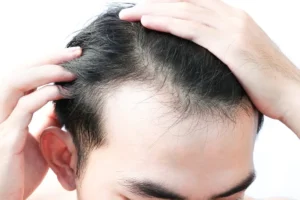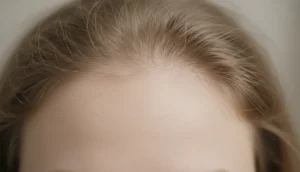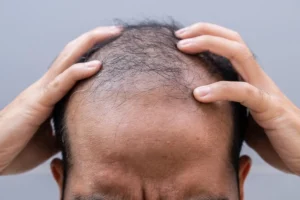
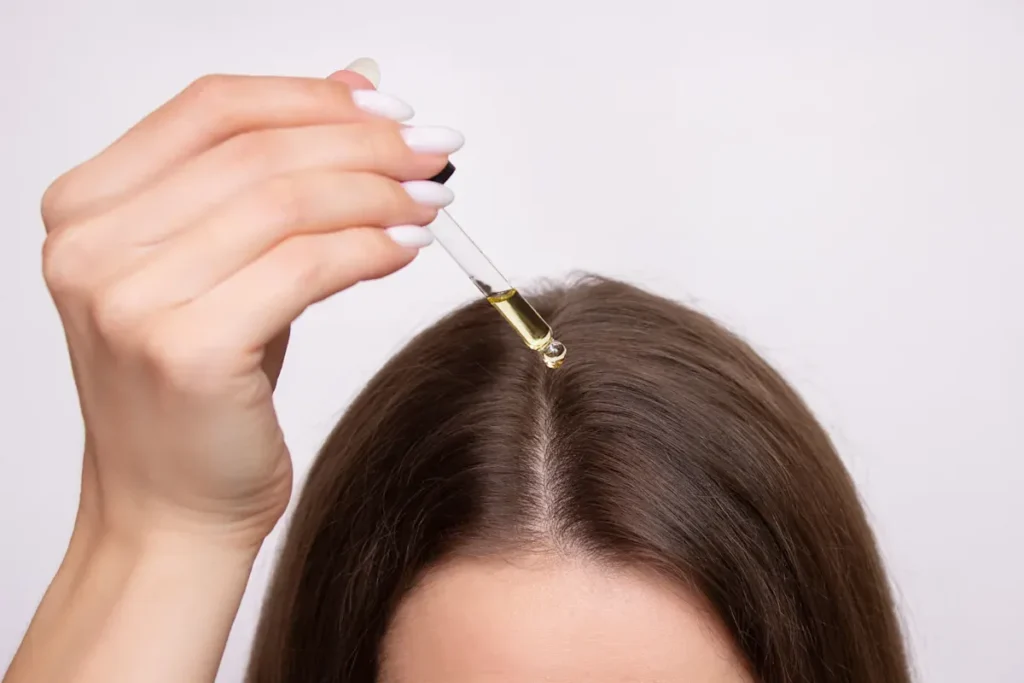
Many people want healthy and thick hair. Recent studies show that protein is key for hair growth and thickness.
Use protein for hair growth to see amazing results. Discover powerful nutrition secrets for incredible thickness and strong hair strands.
Medical Expert, a dermatologist, says what we eat affects our hair. Protein is very good for it. Most of our hair is keratin, which makes it strong and flexible.
Research shows that enough protein can make hair denser and reduce falling out. It’s a must for better hair health and look.
Key Takeaways
Protein is vital for hair strength and flexibility.
Enough protein can make hair denser.
Keratin, a structural protein, is a key part of hair.
Protein supplements can lessen hair loss.
A diet full of protein helps hair stay healthy.
The Science Behind Protein for Hair Growth
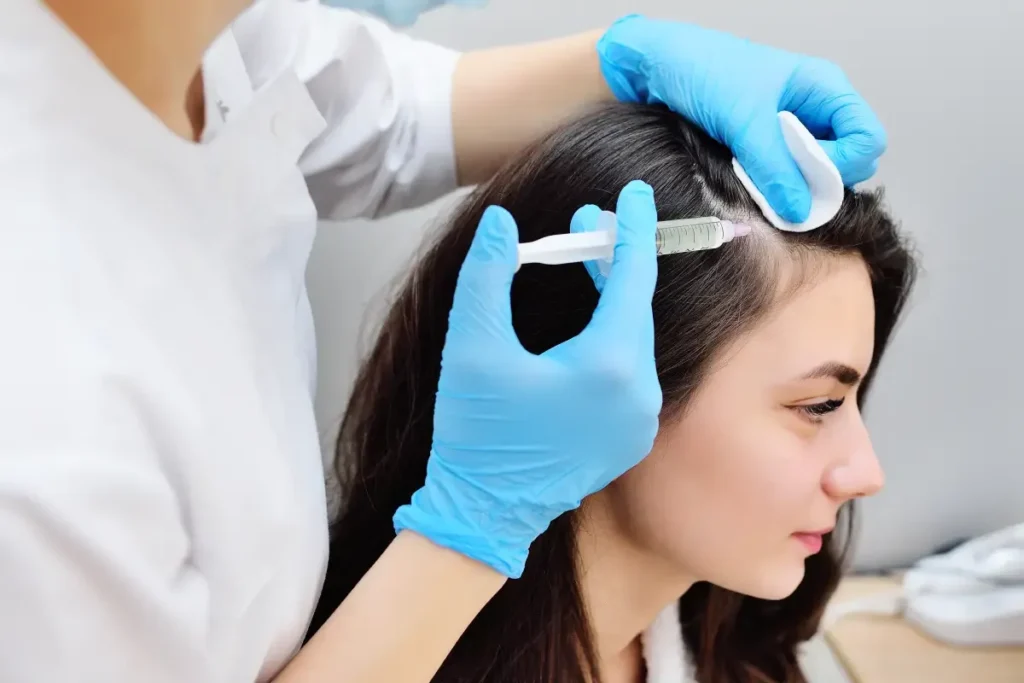
Protein is key for hair growth. Keratin, a protein, gives hair strength and elasticity. Hair is mostly keratin, which is vital for its health.
Understanding Keratin: Hair’s Primary Protein Structure
Keratin is found in hair, skin, and nails. It makes hair strong, elastic, and textured. Keratin’s structure is complex, made of amino acids in a specific order.
Amino acids are keratin’s building blocks. They help hair follicles work right, promoting healthy hair. Without enough amino acids, hair growth slows and hair weakens.
How Amino Acid Deficiency Leads to Hair Thinning
A diet low in protein can cause amino acid deficiency. This makes hair thin, brittle, and breakable. Studies show a 25 percent increase in hair growth with a protein-rich diet.
Not enough amino acids hurt hair follicle growth. This leads to thinning and weak hair. Eating enough protein is key for healthy hair and preventing loss.
Best Protein Sources for Thicker Hair
[Add image here]
Getting thicker hair starts with knowing the best protein sources. Protein is key for hair, and the right types can make a big difference in hair health and thickness.
Marine Protein Supplements: Clinical Evidence
Marine protein supplements are getting attention for boosting hair growth. Research shows they can increase hair count and reduce shedding in thinning hair. Their high amino acid content is good for hair follicle health.
Clinical evidence backs up marine protein supplements for hair growth. They’re full of collagen, which is great for hair strength and flexibility. This helps create a healthy scalp, leading to thicker, stronger hair.
Protein-Rich Foods That Promote Hair Follicle Function
Adding protein-rich foods to your diet also helps hair follicles. Foods like eggs, nuts, and fish give hair the building blocks it needs. Biotin in these foods helps with amino acid metabolism and supports healthy hair.
Eggs: Rich in biotin and protein, eggs are an excellent food for promoting hair health.
Nuts: Almonds and walnuts are not only high in protein but also contain healthy fats that support scalp health.
Fish: Fatty fish like salmon are rich in omega-3 fatty acids and protein, contributing to a healthy scalp environment.
Complete vs. Incomplete Proteins for Hair Health
It’s important to know the difference between complete and incomplete proteins for hair health. Complete proteins have all nine essential amino acids for hair growth. Incomplete proteins are missing one or more of these amino acids.
Eating a variety of protein sources, including both complete and incomplete proteins, is key. Complete proteins are found in meat, fish, and dairy. Incomplete proteins are in grains, nuts, and legumes.
Implementing Your Protein-Based Hair Care Routine
To grow thicker hair, you need a protein-based hair care routine. This means eating enough protein and using treatments to strengthen your hair.
Calculating Your Daily Protein Needs for Hair Growth
Knowing how much protein you need is key for hair growth. The U.S. Department of Agriculture says women should eat at least 46 grams of protein daily. Men should aim for 56 grams. But, your needs can change based on your age, how active you are, and your health.
To figure out your protein needs, think about your diet and lifestyle. For example, if you’re very active, you might need more protein to help your hair and muscles grow.
Topical Protein Treatments for Immediate Strengthening
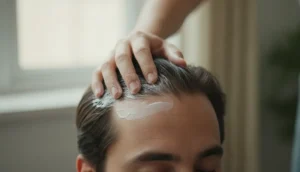
Topical protein treatments can also boost your hair’s strength and shine. These treatments are applied directly to your hair. They help fix damage and stop breakage.
Key benefits of topical protein treatments include:
Immediate strengthening of hair strands
Repair of damaged hair
Enhanced shine and manageability
Combining Diet and Treatments for Maximum Results
For the best hair health, mix a protein-rich diet with topical treatments. This way, your hair gets the right building blocks for growth and strength from inside and out.
A well-rounded hair care routine that includes diet and treatments will give you the best results. Remember, it might take some time to see the improvements.
Conclusion
Protein is key for hair growth and thickness. Eating foods high in protein can make hair follicles stronger. This leads to healthier, more resilient hair.
Getting protein for hair growth means eating right and using treatments. Foods and supplements rich in protein give hair the building blocks it needs. Topical treatments can also repair and strengthen hair strands.
So, is protein good for hair? Absolutely. A diet full of protein helps hair grow. Protein treatments can also fight hair loss.
Adding protein to your hair care routine boosts hair growth and reduces loss. With regular effort, you can get thicker, healthier hair.
FAQ
Is protein good for hair growth?
Yes, hair is primarily made of a protein called keratin, so adequate protein intake supports hair strength, growth, and overall health.
What type of protein is best for hair growth?
Complete proteins containing all essential amino acids, such as eggs, fish, lean meats, and dairy, are most effective for supporting hair growth.
Can a lack of protein cause hair loss?
Yes, protein deficiency can lead to weakened hair follicles, thinning, and increased shedding because the body prioritizes vital functions over hair production.
How much protein do I need for hair growth?
Daily protein needs vary, but generally 0.8–1.2 grams of protein per kilogram of body weight supports hair and overall health, with higher intake for active individuals.
Can topical protein treatments help with hair growth?
Topical protein treatments strengthen hair strands and reduce breakage but do not stimulate new follicle growth; they mainly improve hair appearance and resilience.
What are complete and incomplete proteins, and how do they impact hair health?
Complete proteins contain all essential amino acids needed for keratin synthesis, while incomplete proteins lack one or more; combining incomplete proteins (like beans and rice) can still support hair growth.
Are high protein products effective for hair growth?
High-protein diets or supplements help prevent deficiency-related shedding, but they only promote growth if a lack of protein was the underlying issue.
Can protein help with gray hair?
Protein supports hair structure but does not reverse graying, which is primarily caused by reduced melanin production in follicles.
References
National Center for Biotechnology Information. Evidence-Based Medical Insight. Retrieved from https://pmc.ncbi.nlm.nih.gov/articles/PMC4387693/