
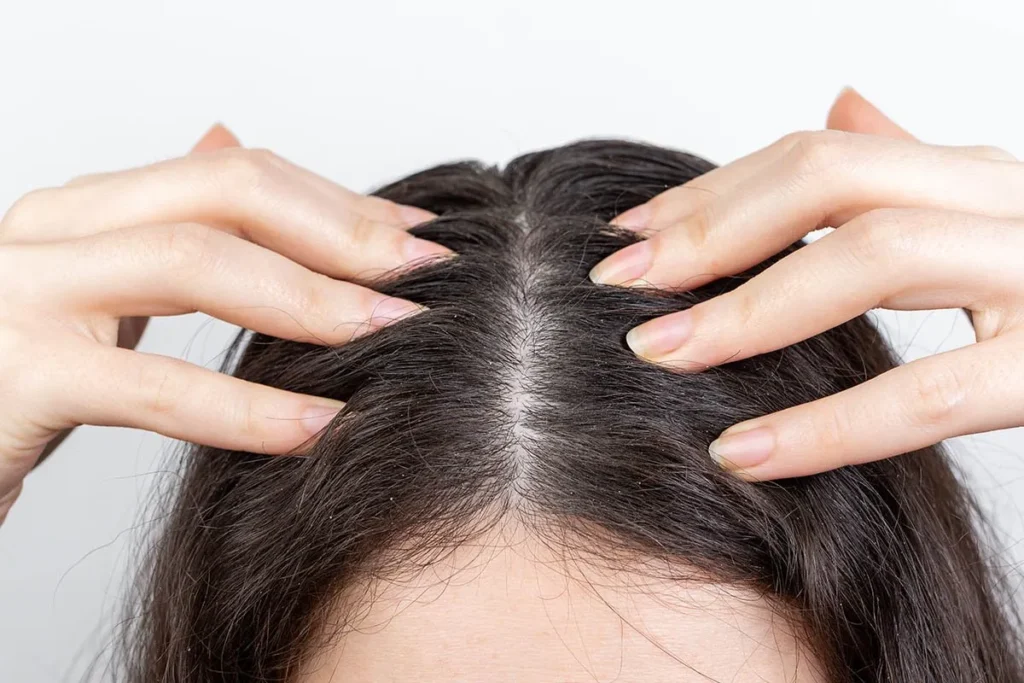
Learn how to get rid of dry scalp for an amazing win. Use powerful, incredible remedies to stop scary itching and achieve amazing hydration.
A dry, itchy scalp can be really frustrating and embarrassing. About 24% of the population deals with dry scalp. This makes it a common problem that affects how we feel about ourselves every day.
It’s important to know the difference between dry scalp and dandruff. Both can make your scalp flake, but they have different causes. Knowing what’s causing your scalp issue is the first step to finding a solution.
At gold city hair, we combine top dermatological expertise with care that focuses on you. This article will look at seven effective ways to tackle dry scalp and boost your scalp health.
Key Takeaways
Understanding the difference between dry scalp and dandruff is key to treating it right.
Knowing what’s causing your dry scalp is the first step to finding a solution.
There are seven proven ways to get rid of dry scalp.
Choosing the right shampoo for your scalp can greatly improve its health.
Evidence-based treatments can offer lasting relief from dry scalp.
Understanding Dry Scalp: Causes and Symptoms
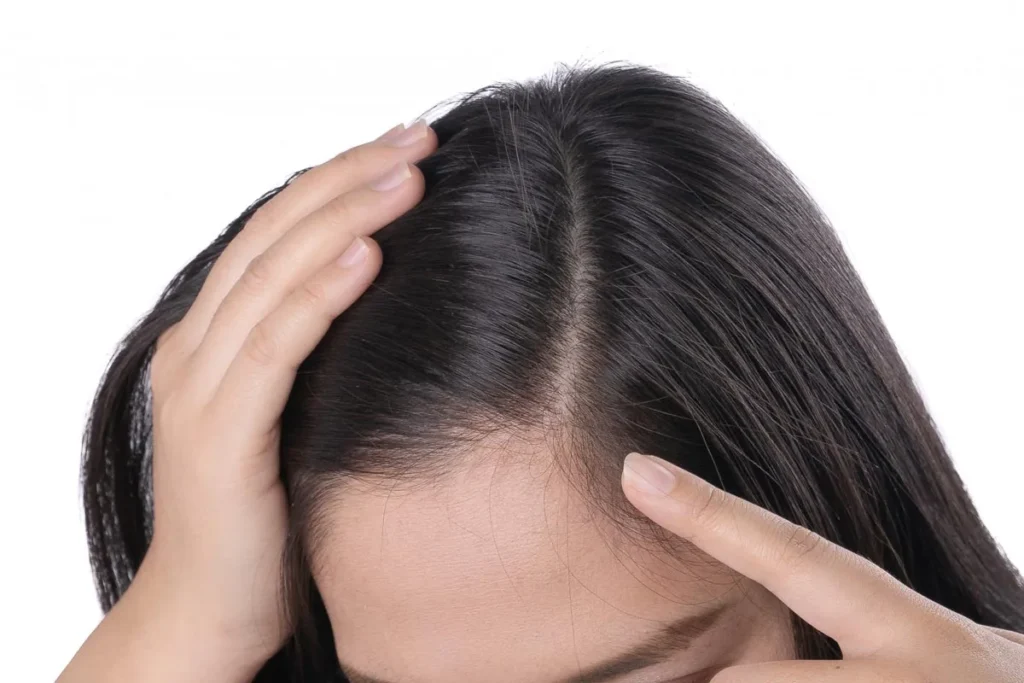
It’s important to know what causes and shows a dry scalp. A dry scalp happens when the scalp loses too much moisture. This can be due to harsh hair care products, weather changes, and aging.
Many things can make the scalp dry. Harsh hair care products can take away the scalp’s natural oils. Environmental conditions like cold weather and low humidity also play a part. As we get older, our scalp’s ability to hold moisture decreases.
Common Causes of Scalp Dryness
Scalp dryness can come from several sources. Some common reasons include:
Using harsh shampoos or conditioners that strip the scalp of its natural oils.
Exposure to cold weather or low humidity.
Aging, which can reduce the scalp’s natural moisture retention.
Over-washing or under-washing the hair, disrupting the scalp’s natural balance.
How to Distinguish Dry Scalp from Dandruff
Many people mix up dry scalp with dandruff. But they are different and need different treatments. Dry scalp is caused by a lack of moisture, leading to small, dry white flakes and itchiness. Dandruff, on the other hand, is caused by excess oil and a fungus, leading to large, oily flakes and itching.
To manage scalp issues well, knowing the difference between dry scalp and dandruff is key. If you have small, dry flakes and itchiness, you likely have a dry scalp. But if your flakes are large, oily, or yellowish, and you itch a lot, it might be dandruff.
Understanding these differences helps you choose the right treatment. By knowing what causes your dry scalp, you can prevent and manage it. This will help you feel better and avoid embarrassment.
How to Get Rid of Dry Scalp: 7 Effective Remedies
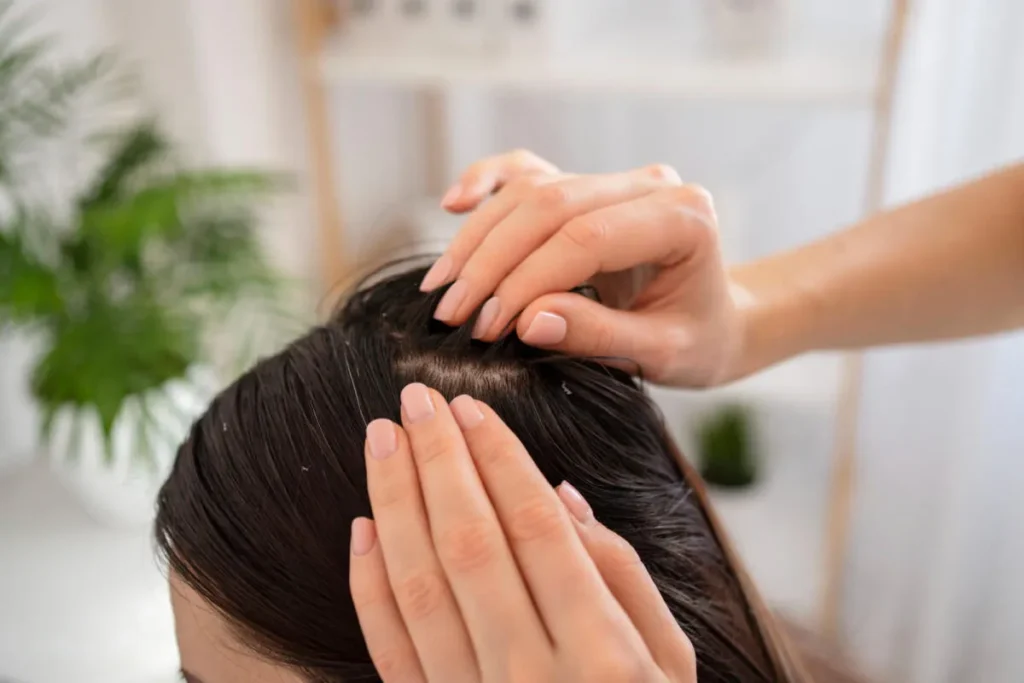
Dry scalp can be managed with lifestyle changes and hair care strategies. Many factors cause scalp dryness. It’s important to address these to ease symptoms.
To get rid of dry scalp, consider these effective remedies:
1. Modify Your Hair Washing Routine
Changing your hair washing schedule can help. Washing less keeps natural oils. Also, use cool water instead of hot to protect scalp oils.
2. Select Gentle, Moisturizing Hair Products
Choose nourishing shampoos and conditioners for a dry scalp. Look for sulfate-free products made for dry or damaged hair.
3. Apply Natural Oils and Treatments
Natural oils like coconut, olive, and tea tree oil moisturize and fight fungus. A scalp mask once a week gives extra moisture.
4. Increase Internal Hydration
Drinking lots of water is key for scalp health. Hydration from the inside keeps the scalp moist. Drink at least eight glasses a day.
Scalp massage also helps. It removes flakes and boosts circulation for healthy hair. By adding these steps to your routine, you can get rid of dry scalp and keep it healthy.
Modify your hair washing routine to retain natural oils.
Use gentle, moisturizing hair products that are sulfate-free.
Apply natural oils and treatments to soothe and moisturize the scalp.
Increase internal hydration by drinking plenty of water.
Massage your scalp to remove flakes and improve circulation.
Conclusion: Maintaining Long-Term Scalp Health
Keeping your scalp hydrated is key to avoiding dry scalp and discomfort. Use gentle, moisturizing hair products to nourish your scalp.
If your scalp is dry, a long-term care plan is needed. Avoid harsh hair care and stay hydrated to prevent dry scalp. This way, you can have a healthy, flake-free scalp.
For those with a very dry scalp, being consistent with hair care is essential. Pay attention to your scalp’s needs and moisturize it, even when it’s very dry.
By following these tips and being proactive, you can keep your scalp healthy. This ensures your scalp stays hydrated and healthy over time.
FAQ
What is the best solution for dry scalp?
Use a gentle, sulfate-free shampoo, wash with lukewarm water, apply a hydrating scalp serum or lightweight oil, and reduce overwashing. Consistency is key.
Why does my scalp get so dry?
Common causes include cold weather, low humidity, hot showers, harsh shampoos, frequent washing, dehydration, and skin conditions like eczema.
How to make my scalp less dry?
Wash less often, switch to moisturizing products, massage a light oil (like jojoba or coconut) into the scalp before washing, and avoid high heat styling.
How to get rid of dry skin on scalp?
Use a hydrating shampoo, gently exfoliate occasionally to remove buildup, apply soothing ingredients like aloe vera, and moisturize regularly.
How to combat dry scalp?
Focus on hydration inside and out—drink enough water, eat healthy fats, avoid stripping products, and protect your scalp from extreme weather.
What to do about dry scalp?
Identify the trigger (products, weather, overwashing), adjust your routine, and use scalp treatments designed for dryness rather than dandruff.
Why is my scalp flaky after washing my hair?
Hot water and harsh shampoos can strip natural oils, leading to dryness and flaking. If flakes are oily and itchy, it could be Seborrheic dermatitis instead of simple dryness.
How to fix a dry scalp?
Reduce heat exposure, moisturize regularly, use mild shampoos, and apply leave-in scalp treatments after washing.
How to avoid dry scalp?
Avoid daily washing, limit hot showers, use gentle hair products, protect your scalp from sun exposure, and maintain balanced nutrition.
Why is my scalp dry after washing my hair?
Overwashing, strong cleansers, and hot water remove protective oils, leaving the scalp tight and flaky.
How do you get rid of dry scalp?
Hydrate consistently, use scalp oils or serums, exfoliate lightly if needed, and avoid irritants that worsen dryness.
How to get rid of a dehydrated scalp?
Restore moisture with humectant-based scalp products (like glycerin or hyaluronic acid), reduce shampoo frequency, and maintain good overall hydration.





