Seeing bumps under your hair can worry you. But knowing what causes them is the first step to fixing the problem.
Heal bumps on scalp with 5 amazing healing tips. Discover the scary causes and use powerful, incredible remedies for a clear, healthy scalp.
Many things can cause scalp bumps. These include folliculitis, seborrheic dermatitis, and benign cysts. These issues can lead to different symptoms. You might see small bumps, large painful knots, itchy welts, or dry growths.
It’s important to understand why these bumps happen. This guide will look at the different reasons for scalp bumps. We’ll cover their symptoms and how to treat them.
Key Takeaways
Scalp bumps can be caused by various conditions, including folliculitis and seborrheic dermatitis.
Symptoms can range from small bumps to large painful knots and itchy welts.
Proper diagnosis is key for effective treatment.
Treatment options vary based on the cause.
Knowing the causes of scalp bumps is vital for managing symptoms.
Common Causes of Bumps on Scalp
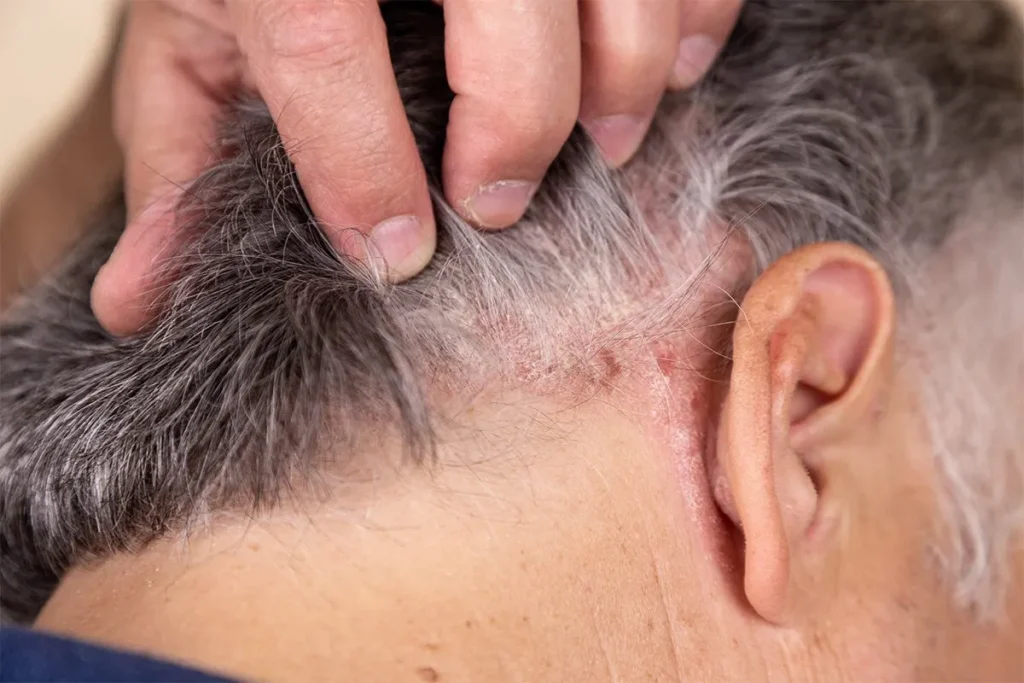
Understanding why bumps appear on the scalp is key to treating them. Bumps can come from infections, inflammatory conditions, or skin problems.
Folliculitis: Bacterial and Fungal Infections
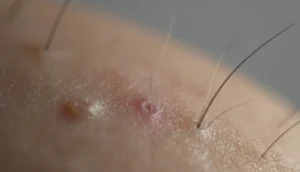
Folliculitis is when hair follicles get inflamed, often due to bacteria or fungi. It shows up as small, inflamed bumps or pustules on the scalp.
Symptoms of folliculitis include:
Red, swollen bumps or pustules
Itching or burning sensations
Pain or tenderness
To treat folliculitis, doctors might use topical or oral antibiotics or antifungal meds, depending on the cause.
Seborrheic Dermatitis and Inflammatory Conditions
Seborrheic dermatitis is an inflammatory condition. It causes red, itchy patches with greasy scales or flakes on the scalp. It’s common and can be managed with the right treatment.
Common symptoms of seborrheic dermatitis include:
Red, inflamed skin
Itching or irritation
Greasy or oily scales
Acne and Oil-Related Scalp Issues
Scalp acne is caused by clogged pores, too much oil, and bacteria. This leads to pimples, blackheads, or bumps.
Factors contributing to scalp acne include:
Excessive oil production
Clogged pores
Bacterial growth
To treat scalp acne, use products that control oil and reduce bacteria.
Identifying Different Types of Scalp Bumps
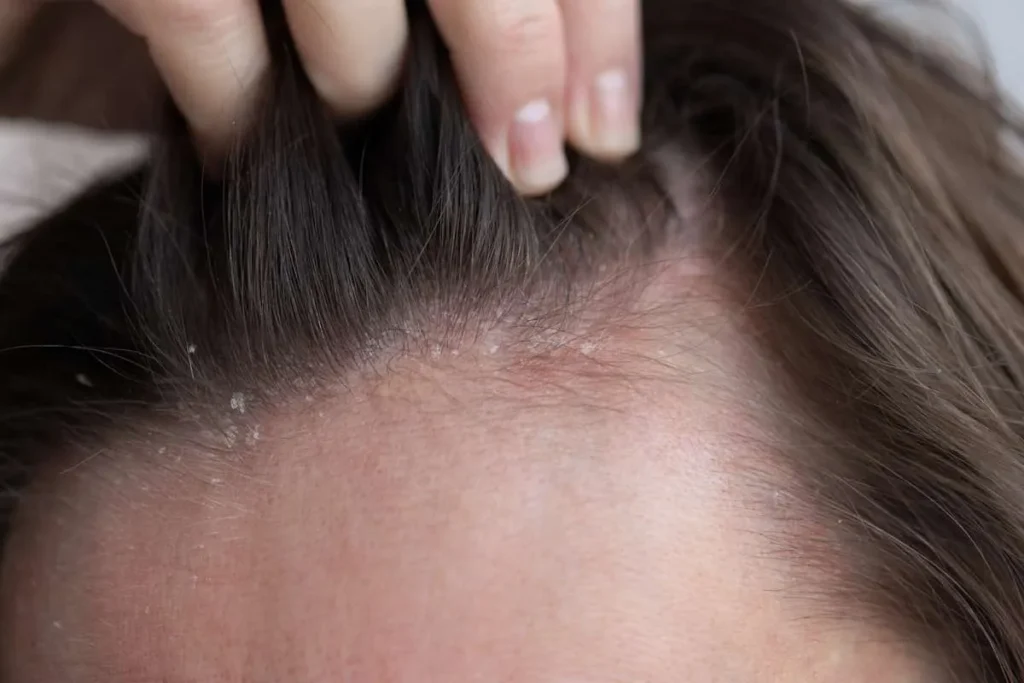
It’s important to know the different types of scalp bumps to find their cause and treatment. Bumps can come from infections, inflammatory conditions, or cysts. Accurate identification is key to solving the problem.
Large Bumps on Head Under Hair: Pilar Cysts
Pilar cysts, also known as trichilemmal cysts, are common scalp bumps. They feel smooth and firm, like a lump under the hair. Pilar cysts are usually benign and can be removed if they bother you.
Pilar cysts are more common in adults and can vary in size. They are found on the scalp but can also appear on other body parts. As one expert notes,
Small Bumps on Scalp: Causes and Characteristics
Small bumps on the scalp can come from many causes, like seborrheic dermatitis and folliculitis. Seborrheic dermatitis causes inflammation and flaking skin, leading to small bumps. Folliculitis is an infection or inflammation of the hair follicles, also causing small bumps.
Seborrheic dermatitis: Inflammation and flaking skin
Folliculitis: Infection or inflammation of hair follicles
Other conditions: Such as psoriasis or eczema
Hard Painful Bumps: When to Be Concerned
Hard, painful bumps on the scalp might be a sign of a serious issue and need medical help. Conditions like abscesses or severe folliculitis can cause pain. If you have persistent pain or other symptoms like redness, swelling, or pus, see a doctor.
When to seek medical help:
If the bump is painful or tender to the touch
If there’s redness, swelling, or pus around the bump
If you have a fever or feel generally unwell
Treatment Options and When to See a Doctor
Dealing with bumps on the scalp starts with figuring out the cause. Then, you pick the right treatment. Knowing your options is key to managing these issues well.
Home Remedies for Minor Scalp Conditions
For small scalp bumps, home remedies can help. Keeping your scalp clean is important. Use a gentle shampoo and avoid harsh hair products to reduce irritation.
Tea tree oil is great for its antimicrobial properties. You can add it to your shampoo or apply it directly to the bump to fight inflammation.
Applying a warm compress to the bump is another good remedy. It helps bring the infection to a head, speeding up healing. For itchy bumps, try an anti-itch cream or calamine lotion for relief.
Medical Expert, Dermatologist
Medical Treatments for Persistent Scalp Bumps
If home remedies don’t work, or if the bumps don’t go away, you might need medical help. The treatment depends on the cause of the bumps.
For bacterial infections like folliculitis, antibiotic creams or oral antibiotics may be prescribed.
For fungal infections, antifungal shampoos or medications can be effective.
In cases of severe inflammation or conditions like seborrheic dermatitis, corticosteroid creams or shampoos may be recommended.
Prevention Strategies for a Healthy Scalp
To prevent scalp bumps, keep your scalp healthy. Use gentle hair care products and avoid too much heat styling. Wash your hair regularly with a gentle shampoo to prevent oil and dirt buildup.
Managing stress and eating a balanced diet rich in vitamins and minerals also helps. If you often get scalp issues, see a dermatologist regularly. They can catch and treat problems early.
Conclusion
Bumps on the scalp can come from many causes, from mild to severe. Knowing what causes them is key to treating and preventing them.
Common reasons for scalp bumps include folliculitis, seborrheic dermatitis, acne, and pilar cysts. It’s important to figure out the cause to pick the best treatment.
There are home remedies and medical treatments for minor and ongoing scalp issues. Keeping your scalp clean and using gentle hair products can also help avoid bumps.
In conclusion, don’t ignore bumps on your scalp. If they don’t go away or get worse, see a doctor. Understanding the causes and taking steps to prevent them can help keep your scalp healthy.
FAQ
What are the common causes of bumps on the scalp?
Bumps on the scalp can be caused by acne, folliculitis, cysts, seborrheic dermatitis, or allergic reactions. Infections, irritation, or clogged hair follicles are also common triggers.
What is folliculitis and how does it cause bumps on the scalp?
Folliculitis is inflammation of hair follicles, often caused by bacteria or fungi, resulting in small red or pus-filled bumps. It can be itchy or tender and may resemble acne.
How can I identify pilar cysts on my scalp?
Pilar cysts are firm, smooth lumps under the scalp skin, usually painless and slow-growing. They are often mobile and may occur in multiples.
What are the symptoms of seborrheic dermatitis on the scalp?
Seborrheic dermatitis causes red, itchy, and flaky patches, often with greasy or yellowish scales. It can also lead to small bumps in affected areas.
Can acne cause bumps on the scalp?
Yes, scalp acne occurs when hair follicles become clogged with oil, dead skin, and bacteria, forming red or pus-filled bumps. It may be aggravated by sweat or hair products.
How can I treat hard, painful bumps on my scalp?
Painful bumps may require warm compresses, topical antibiotics, or medicated shampoos for infections. Persistent or severe lumps should be evaluated by a healthcare professional.
What are some home remedies for minor scalp conditions?
Gentle cleansing with mild shampoos, tea tree oil, aloe vera, or warm compresses can help relieve mild irritation and inflammation. Avoid scratching and harsh chemicals.
When should I see a doctor for bumps on my scalp?
See a doctor if bumps are painful, growing, filled with pus, bleeding, or do not improve with home care. Rapid changes or signs of infection require medical attention.
How can I prevent bumps on my scalp?
Keep the scalp clean, avoid heavy or greasy hair products, and wash after sweating. Regular gentle exfoliation can prevent clogged follicles and irritation.
What are some prevention strategies for a healthy scalp?
Maintain a balanced diet, manage stress, avoid scratching, use mild shampoos, and keep hair and scalp clean and moisturized. Limiting harsh chemicals or heat styling also supports scalp health.
References
National Center for Biotechnology Information. Evidence-Based Medical Insight. Retrieved from https://pmc.ncbi.nlm.nih.gov/articles/PMC12223461/