Learning your child has alopecia areata can be scary. But knowing about it is the first step to managing it well. This condition affects 1 in 1,000 kids and teens. It’s more common than many parents think.
At Gold City Hair, we get how tough this is for families. We offer a team approach. This means kids get all the care they need, from start to finish.
With the right diagnosis and treatment, many kids see big improvements. We focus on helping them feel confident again. Managing alopecia areata well is what we aim for.
Key Takeaways
Understanding alopecia areata is key to managing it.
Alopecia areata in children is more common than you might think.
Comprehensive care is essential for managing the condition.
Evidence-based treatments can lead to significant improvement.
Regaining confidence is a key part of the treatment process.
Understanding Childhood Alopecia: Causes and Prevalence
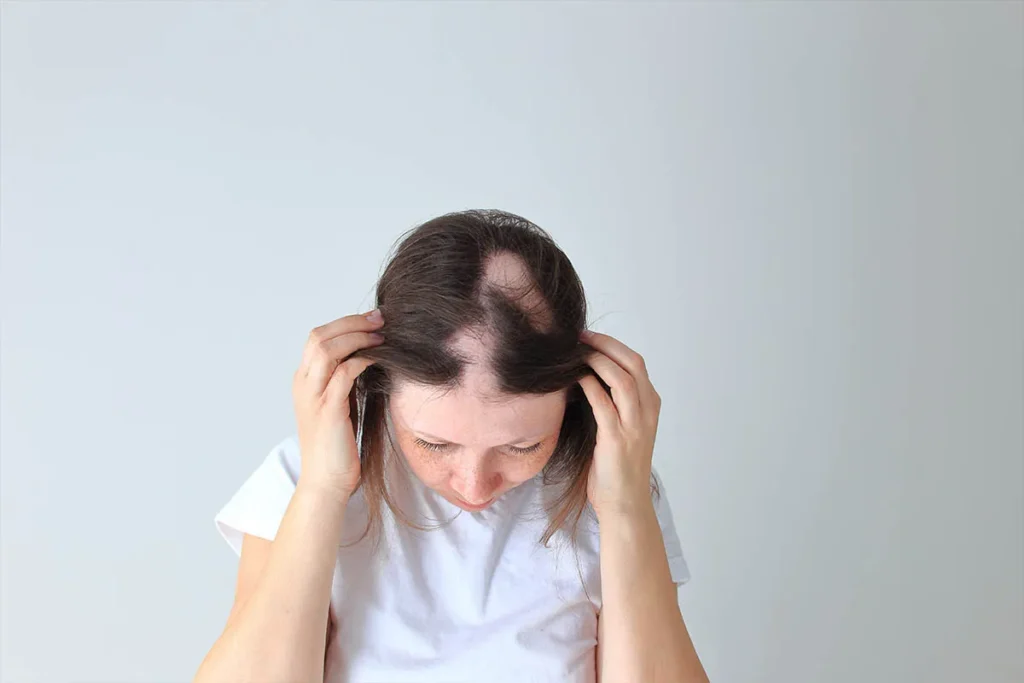
It’s important for parents to know about alopecia areata in kids. This condition causes hair loss on the scalp, face, or body. It can happen at any age, even in children.
What is Alopecia Areata in Children?
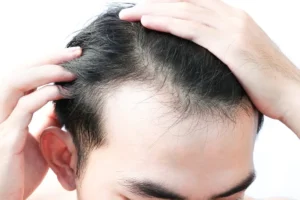
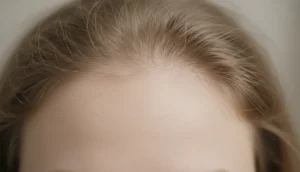
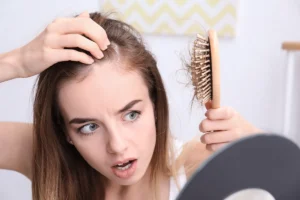
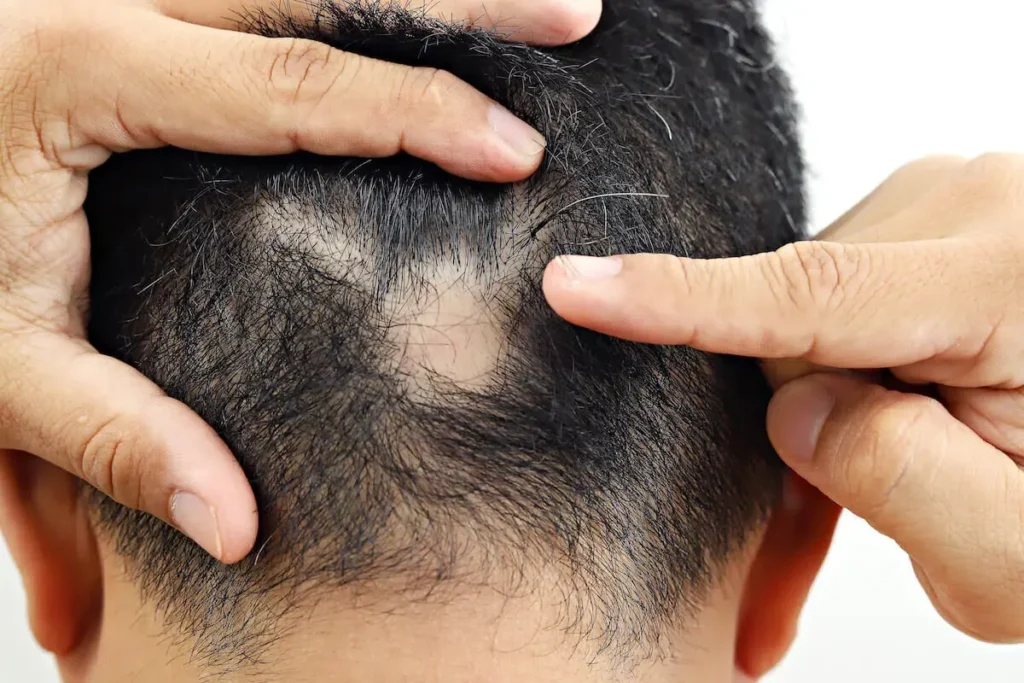
Alopecia areata in kids means unpredictable hair loss. It can start with a small patch or even lead to total hair loss. This happens when the immune system attacks hair follicles.
Experts say, “Alopecia areata is a complex condition. It’s influenced by genetics, environment, and the immune system.”
Epidemiology and Risk Factors
About 1 in 1,000 children and teens have alopecia areata. It often runs in families, with 25% of affected children having an affected first-degree relative. Other risk factors include autoimmune diseases and allergies.
Genetic Components and Family History
Genetics play a big role in alopecia areata. Kids with a family history of alopecia, thyroid disease, or other autoimmune conditions are at higher risk. Knowing this can help parents and doctors spot and manage the condition early.
Recognizing and Diagnosing Alopecia Areata in Children
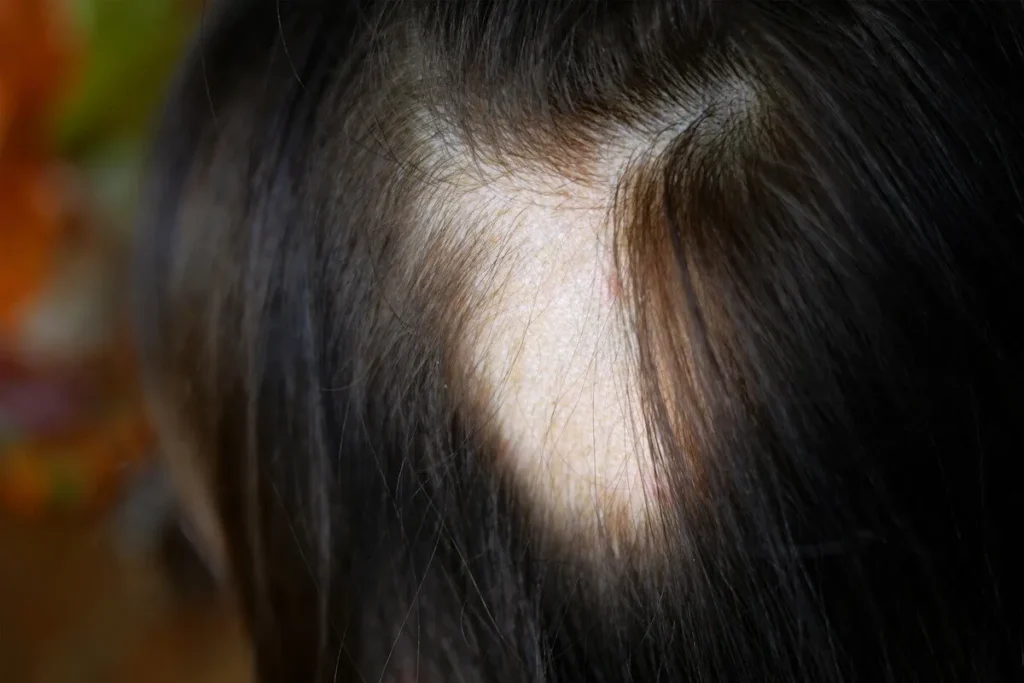
Parents can spot alopecia areata in kids early if they know the signs. Awareness is key to catch it early. This makes treatment more effective.
Early Signs and Symptoms to Watch For
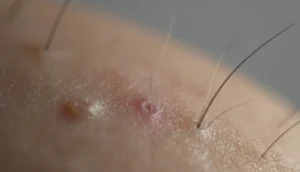
Kids with alopecia areata might lose hair suddenly, showing small, round patches. Look for “exclamation mark” hairs too. Other signs include:
Hair loss on other parts of the body, not just the scalp
Nail changes, including pitting or brittleness
Redness or inflammation around the bald patches
Experts say, “Early intervention is key in managing alopecia areata effectively.”
When to Consult a Pediatric Dermatologist
If you see unusual hair loss, see a pediatric dermatologist. They know how to treat skin and hair issues in kids. Early help can make a big difference for your child.
Diagnostic Process and What to Expect
Diagnosing alopecia areata means a close look at the scalp. A dermatoscope might be used. Sometimes, a biopsy is needed. The process is thorough but gentle.
Reassurance is provided through clear communication. This helps parents understand their child’s condition and treatment options.
Treatment Options and Management Strategies
Managing alopecia areata in kids requires a mix of medical care and support. Parents and caregivers need to explore different treatments. This helps kids deal with the physical and emotional sides of the condition.
Medical Treatments for Childhood Alopecia Areata
There are several ways to manage alopecia areata in kids. These include:
Topical corticosteroids to reduce inflammation
Intralesional steroid injections to stimulate hair growth
Minoxidil to enhance hair regrowth
Topical corticosteroids are often the first choice. They are applied directly to the scalp to fight inflammation and help hair grow. Intralesional steroid injections work well for kids with small patches of hair loss.
Home Care and Scalp Health
Keeping the scalp healthy is key for kids with alopecia areata. Using mild shampoos and avoiding harsh chemicals helps. Also, regular scalp massages can help hair grow.
Age-Specific Considerations
Treatment plans must match the child’s age and needs. For toddlers, gentle treatments are best. Teenagers might need more advanced treatments. It’s important to understand the special needs of alopecia in pediatrics.
Navigating Social and Emotional Challenges
Alopecia areata can affect a child’s emotions deeply. Emotional support and counseling are vital. Encouraging open talk and building self-esteem are key to managing the condition.
By taking a full approach to treatment and care, parents and caregivers can help kids with alopecia areata live confidently and happily.
Conclusion: Resources and Support for Families
Dealing with baldness in childhood can be tough for families. It’s key to know about alopecia areata child treatment options for good management.
Families facing childhood alopecia can find help through many resources. Talking to others who face similar issues can be very helpful.
For kids with alopecia areata, joining the right community can be a big help. These groups offer a safe place to share and get advice.
Regain your confidence by looking for professional help and support groups. With the right help and resources, families can face childhood alopecia together.
FAQ
What is alopecia areata, and how does it affect children?
Alopecia areata is an autoimmune condition where the immune system attacks hair follicles, causing patchy hair loss. In children, it can affect the scalp, eyebrows, eyelashes, and sometimes other body hair.
What are the early signs and symptoms of alopecia areata in children?
Early signs include round or oval bald patches on the scalp, sudden hair shedding, exclamation mark hairs (short, broken hairs near the patch), and sometimes nail changes like pitting.
How is alopecia areata diagnosed in children?
Diagnosis is usually clinical, based on visual inspection of bald patches, hair pull tests, and sometimes a dermatologist may perform a scalp biopsy to confirm.
What treatment options are available for childhood alopecia areata?
Treatments include topical corticosteroids, minoxidil, contact immunotherapy, and sometimes oral medications. Many children also experience spontaneous regrowth without treatment.
How can I support my child emotionally through this condition?
Offer reassurance, open communication, and positive reinforcement. Support groups, counseling, and connecting with other families can help children cope with self-esteem and social challenges.
Can alopecia areata be cured, and what are the chances of hair regrowth?
There is no permanent cure, but hair often regrows spontaneously in many children. Recurrences are common, and hair regrowth may vary in thickness, color, and texture.
How can I help my child deal with social challenges related to alopecia areata?
Encourage confidence-building activities, educate peers about the condition, and explore options like hats, wigs, or headscarves if your child is self-conscious.
Are there any lifestyle changes that can help manage alopecia areata in children?
Maintaining a balanced diet, reducing stress, gentle hair care, and avoiding harsh chemicals or tight hairstyles can support overall hair and scalp health.
What age can alopecia areata start, and is it common in infants and toddlers?
Alopecia areata can start at any age, but it often appears in children between 2–6 years. It is rare in infants and toddlers, though cases do occur.
How can I find resources and support as a parent of a child with alopecia areata?
Support is available through dermatologists, pediatricians, alopecia support groups, online communities, and nonprofit organizations focused on hair loss in children.
References
Alatab, S., Sepanlou, S. G., Ikuta, K., Vahedi, H., Bisignano, C., Safiri, S., Roshandel, G., Lami, F. H., Abdoli, A., Abdollahi, M., et al. The global, regional, and national burden of inflammatory bowel disease in 195 countries and territories, 1990–2017: a systematic analysis for the Global Burden of Disease Study 2017. The Lancet Gastroenterology & Hepatology. Retrieved from https://pubmed.ncbi.nlm.nih.gov/32723274/