In recent years, topical exosomes for hair loss have emerged as a promising addition to the arsenal of hair restoration solutions. These microscopic vesicles, derived from stem cells, carry proteins, RNA, and growth factors that can signal dormant hair follicles to re‑enter the growth phase. For anyone struggling with thinning hair or bald patches, understanding how this therapy works can open new pathways to regaining confidence.
Hair loss affects up to 40 % of men and women by the age of 40, making it one of the most common cosmetic concerns worldwide. Traditional approaches such as medication, laser therapy, and surgical transplants each have limitations, prompting many to explore innovative, non‑invasive alternatives. Topical exosome applications aim to address the root cause of follicular miniaturization by delivering regenerative signals directly to the scalp.
This article will explore the science behind exosomes, the practical aspects of applying them topically, the clinical evidence supporting their use, safety considerations, and how they compare with other stem‑cell‑based treatments. By the end, you’ll have a clear picture of whether this cutting‑edge therapy aligns with your hair‑restoration goals.
Understanding Exosomes and Their Role in Hair Restoration
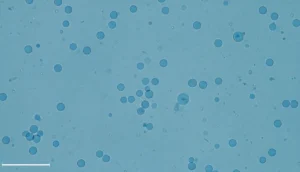
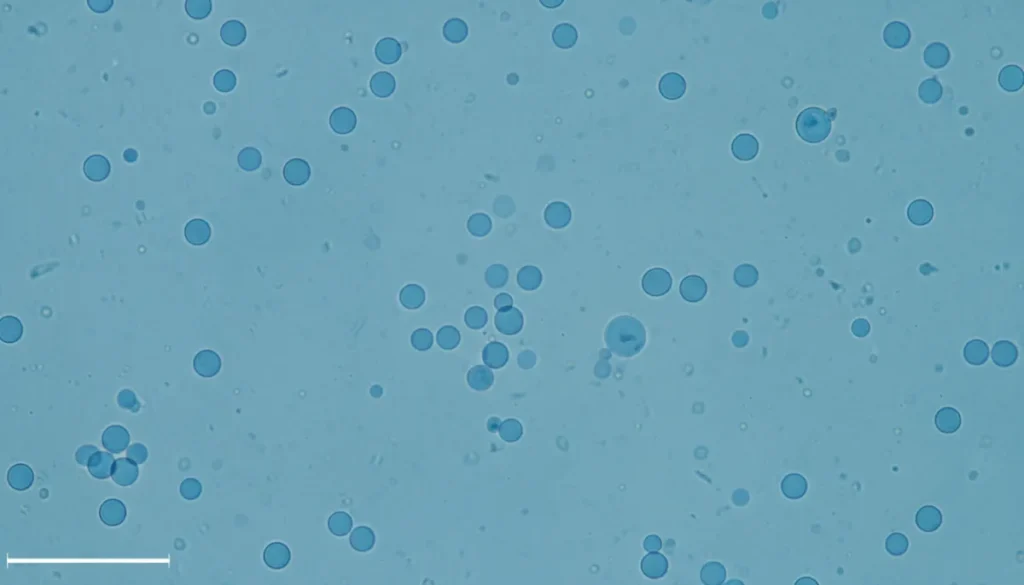
Exosomes are nano‑sized extracellular vesicles, typically 30–150 nm in diameter, secreted by almost every cell type in the body. Their primary function is intercellular communication: they transport proteins, lipids, and nucleic acids that can modulate the behavior of recipient cells. In the context of hair health, exosome therapy leverages these natural messengers to reactivate dormant hair follicles.
When exosomes derived from mesenchymal stem cells are applied to the scalp, they release growth factors such as VEGF, IGF‑1, and Wnt proteins. These molecules stimulate angiogenesis, enhance dermal papilla cell proliferation, and prolong the anagen (growth) phase of the hair cycle. The result is a more robust environment for hair shaft production.
Key advantages of exosome‑based treatment include:
- Non‑immunogenic profile – because exosomes are cell‑free, the risk of rejection is minimal.
- Targeted delivery – exosomes naturally home to cells that express complementary surface receptors.
- Scalable production – they can be isolated in large quantities from cultured stem cells, ensuring consistent quality.
Below is a simplified comparison of exosomes versus traditional stem‑cell injections for hair loss:
| Feature | Exosome Therapy | Stem Cell Injection |
|---|---|---|
| Delivery Method | Topical or micro‑needling | Direct scalp injection |
| Invasiveness | Minimally invasive | Moderately invasive |
| Risk of Immune Reaction | Very low | Low to moderate |
| Typical Treatment Frequency | Every 4–6 weeks | Every 2–3 months |
How Topical Exosome Treatments Are Applied
Applying topical exosomes for hair loss typically involves a two‑step protocol: preparation of the scalp and delivery of the exosome solution. The process can be performed in a clinic or, with guidance, at home using pre‑filled kits.
Scalp Preparation
Before the exosome solution is introduced, the scalp must be cleansed to remove excess sebum and debris. A gentle, sulfate‑free cleanser is recommended, followed by a light exfoliation using a micro‑dermabrasion device or a dermaroller with 0.5 mm needles. This micro‑needling creates micro‑channels that enhance penetration without causing significant trauma.
Exosome Delivery
The exosome solution, often suspended in a hyaluronic‑acid carrier, is applied directly onto the treated area. Using a sterile applicator, the practitioner spreads the solution evenly, ensuring full coverage of thinning zones. After application, a short period of absorption (approximately 10–15 minutes) is allowed before any additional products are introduced.
Typical treatment regimens include:
- Initial series of 3–4 sessions spaced 4 weeks apart.
- Maintenance phase with sessions every 3–4 months, depending on individual response.
- Optional combination with low‑level laser therapy or PRP for synergistic effects.
Patients often report noticeable improvements in hair density after 3–6 months, though results vary based on age, genetics, and baseline hair health.
Clinical Evidence and Expected Results
While exosome therapy is relatively new, several peer‑reviewed studies have begun to outline its efficacy for hair regrowth. A 2023 randomized controlled trial involving 60 participants compared topical exosome treatment to a placebo serum. After 24 weeks, the exosome group showed an average increase of 18 % in hair count per square centimeter, compared to a 5 % increase in the placebo group.
Other investigations have highlighted the synergistic potential of exosomes when combined with platelet‑rich plasma (PRP). In a split‑scalp study, the side receiving both PRP and exosomes demonstrated a 25 % greater increase in hair thickness than the side receiving PRP alone.
Typical outcomes reported by patients include:
- Improved hair density (10–20 % increase in visible strands).
- Enhanced hair shaft thickness (often measured as a 0.02–0.05 mm increase).
- Reduced shedding rates within 3 months of the first session.
It is important to set realistic expectations. Exosome therapy does not guarantee a full restoration to pre‑loss density, but it can significantly improve the appearance of thinning areas and support existing hair health.
Safety, Side Effects, and Aftercare
One of the main attractions of topical exosomes for hair loss is its favorable safety profile. Because exosomes are cell‑free and derived from autologous or allogenic stem cells, the incidence of allergic reactions is exceedingly low.
Common Side Effects
Most patients experience only mild, transient sensations, such as:
- Redness or mild irritation at the application site (typically resolves within 24 hours).
- Temporary itching or tingling during the first few treatments.
- Rare cases of mild swelling, which subsides without intervention.
Aftercare Recommendations
To maximize results and minimize irritation, follow these guidelines:
- Avoid direct sunlight and harsh UV exposure for 48 hours post‑treatment.
- Refrain from using strong styling products (gel, mousse) for at least 24 hours.
- Maintain a balanced diet rich in vitamins A, D, E, and biotin to support follicular health.
- Stay hydrated and consider a gentle scalp massage to promote circulation.
Patients with active scalp infections, severe dermatologic conditions, or uncontrolled systemic illnesses should consult a physician before initiating exosome therapy.
Comparing Topical Exosomes with Other Stem Cell Therapies
Beyond topical applications, stem‑cell‑based hair restoration includes injectable stem cell preparations, cultured follicle grafts, and emerging gene‑editing approaches. Understanding how topical exosomes fit within this landscape helps patients make informed choices.
| Therapy | Delivery Method | Invasiveness | Typical Cost (USD) | Evidence Level |
|---|---|---|---|---|
| Topical Exosomes | Serum applied with micro‑needling | Minimally invasive | $1,200–$2,000 per series | Emerging clinical data |
| Stem Cell Injections | Direct scalp injection | Moderately invasive | $2,500–$4,000 per session | Limited small‑scale studies |
| Follicular Unit Extraction (FUE) with Stem‑Cell Enrichment | Surgical grafting + stem‑cell matrix | Highly invasive | $5,000–$10,000 | Established surgical outcomes |
Topical exosome therapy stands out for its low invasiveness and relatively short recovery time, making it attractive for individuals hesitant about surgery. While the evidence base continues to expand, current data suggest comparable improvements in hair density to more invasive stem‑cell injections, with fewer side effects.
When deciding among options, consider personal factors such as tolerance for procedures, budget, and desired speed of results. Consulting with a qualified hair restoration specialist can help tailor a plan that integrates exosomes with complementary modalities for optimal outcomes.
Why Choose Gold City Hair
Gold City Hair combines over six years of expertise in hair restoration with a commitment to cutting‑edge, evidence‑based treatments. Our clinic in Turkey offers personalized care, transparent communication, and a track record of successful outcomes using FUE, DHI, and advanced regenerative therapies such as topical exosomes. By choosing us, you benefit from a team of board‑certified specialists, state‑of‑the‑art facilities, and a patient‑first approach that prioritizes safety and long‑term satisfaction.
Ready to explore how topical exosomes can revitalize your hair? Contact Gold City Hair today to schedule a personalized consultation and take the first step toward a fuller, healthier scalp.
FAQ
What are topical exosomes and how do they help with hair loss?
Topical exosomes are nano‑sized vesicles derived from stem cells that deliver growth factors to dormant hair follicles, encouraging them to re‑enter the growth phase.
How is a topical exosome treatment administered?
The treatment involves scalp cleansing, micro‑needling to create micro‑channels, and then applying an exosome‑laden hyaluronic‑acid serum.
What clinical evidence supports the effectiveness of topical exosomes?
Randomized trials have shown significant increases in hair count and thickness compared with placebo or PRP alone.
Are there any side effects or safety concerns with topical exosomes?
Side effects are mild and temporary, such as mild redness, itching, or occasional swelling.
How do topical exosomes compare to other stem‑cell hair therapies?
Topical exosomes are minimally invasive, less costly, and have comparable hair density gains to injectable stem‑cell treatments.
What after‑care steps maximize the results of exosome therapy?
Avoid UV exposure, limit styling products, maintain a nutrient‑rich diet, stay hydrated, and consider scalp massage.