When you search for types of alopecia hair loss, you’re likely looking for clear answers about why hair thins, falls out, or disappears completely. Hair loss affects millions worldwide, yet many people are unaware that there are several distinct forms, each with its own triggers and treatment pathways. In this article we will explore the most common classifications, explain how they differ, and discuss practical steps you can take toward restoration.
Recent studies show that up to 40% of men and 30% of women experience noticeable hair thinning by age 35, highlighting the importance of early diagnosis. Whether the cause is genetic, autoimmune, or mechanical, understanding the specific type of alopecia is the first step toward an effective solution.
We’ll cover the major categories—ranging from androgen‑driven pattern baldness to autoimmune patches—and provide insights into how modern techniques such as FUE and DHI can address each condition. Let’s begin by demystifying the landscape of hair loss.
Common Forms of Alopecia: An Overview
Hair loss is not a single disease; it represents a spectrum of conditions that share the symptom of hair shedding. The most frequently encountered forms include androgenetic alopecia, alopecia areata, traction alopecia, and telogen effluvium. Recognizing the pattern of loss—whether it’s a receding hairline, circular bald patches, or diffuse thinning—helps clinicians pinpoint the underlying cause.
- Androgenetic alopecia: Often called male or female pattern baldness, driven by hormones and genetics.
- Alopecia areata: An autoimmune condition that produces sudden, round patches of hair loss.
- Traction alopecia: Results from chronic pulling or tension on the hair shaft, common with tight hairstyles.
- Telogen effluvium: A temporary shedding phase triggered by stress, illness, or hormonal changes.
Each type presents unique challenges for treatment. For example, while medication may slow the progression of androgenetic alopecia, alopecia areata often responds better to immunomodulatory therapies. Understanding these nuances enables a personalized approach.
Androgenetic : Male and Female Pattern Baldness
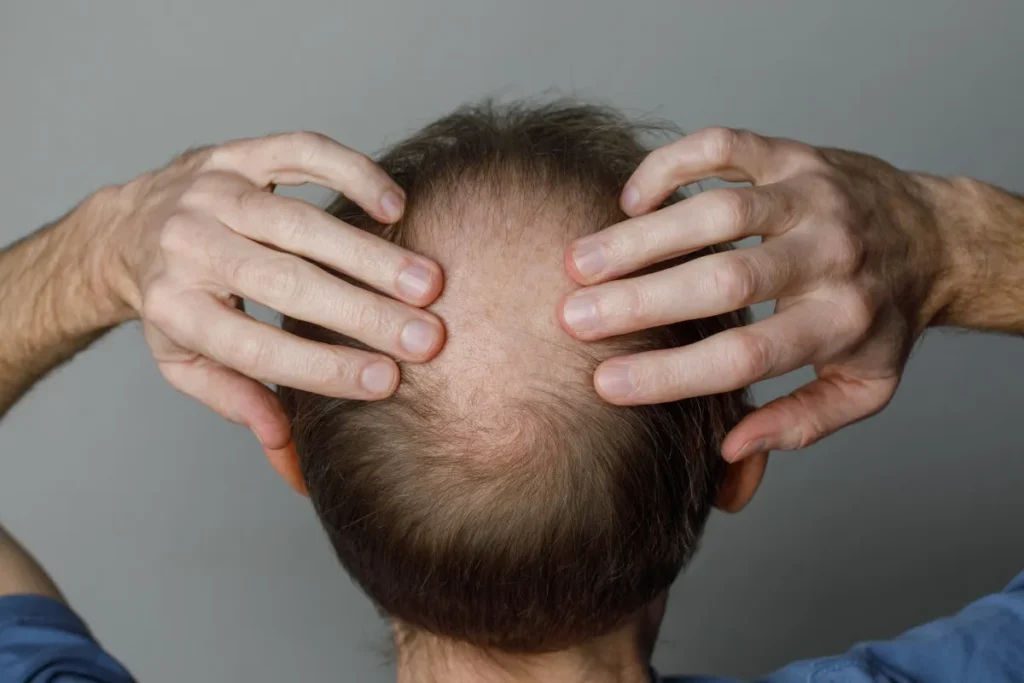
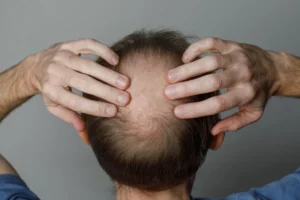
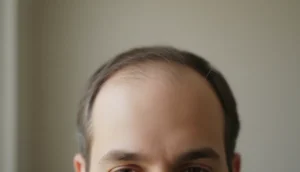
Androgenetic alopecia is the most prevalent form of hair loss, affecting up to 50% of men and 40% of women by age 50. It is driven by a combination of genetic predisposition and the hormone dihydrotestosterone (DHT), which shortens the hair growth cycle and miniaturizes follicles. In men, the classic pattern begins with a receding hairline and thinning at the crown, while women typically notice diffuse thinning over the top of the scalp.
Key indicators include:
| Sign | Typical Presentation |
|---|---|
| Receding hairline | Hairline retreats at temples, forming an “M” shape (men) |
| Crown thinning | Gradual loss of density at the vertex (both sexes) |
| Diffuse thinning | Uniform reduction in hair volume across the scalp (women) |
Medical options such as finasteride, minoxidil, and low‑level laser therapy can help stabilize the condition, but many patients opt for surgical restoration. Techniques like Follicular Unit Extraction (FUE) and Direct Hair Implantation (DHI) offered by Gold City Hair provide natural‑looking results by transplanting healthy follicles into balding zones.
Alopecia Areata and Other Autoimmune Variants
Alopecia areata is an autoimmune disorder where the body’s immune system mistakenly attacks hair follicles, leading to sudden, round patches of hair loss. It can affect any age group and may progress to alopecia totalis (complete scalp loss) or alopecia universalis (total body hair loss). Unlike pattern baldness, the hair loss in alopecia areata is not linked to hormones, and the surrounding skin remains healthy.
Common characteristics include:
- Sharp‑edged, smooth bald patches.
- Exclamation‑mark hairs at the periphery of lesions.
- Possible nail changes such as pitting or ridging.
While the exact cause remains unclear, genetic susceptibility and environmental triggers play roles. Treatment strategies focus on modulating the immune response. Topical corticosteroids, intralesional injections, and newer JAK‑inhibitor medications have shown promising results. Early intervention increases the likelihood of regrowth, and in cases where permanent loss occurs, hair transplantation may still be an option after disease stabilization.
Traction Alopecia and Telogen Effluvium: Hair Thinning Types
Traction alopecia arises from chronic tension on the hair shaft, often due to tight hairstyles such as braids, ponytails, or extensions. Over time, the repeated pulling damages the follicle, leading to gradual thinning along the hairline and temples. This form is especially common among individuals who wear protective styles for extended periods.
Key prevention tips include:
- Avoiding hairstyles that pull tightly on the scalp.
- Limiting the use of heavy hair accessories.
- Giving the hair regular breaks from tension‑inducing styles.
Telogen effluvium is a diffuse shedding condition triggered by physiological stressors such as illness, surgery, severe weight loss, or hormonal shifts (e.g., postpartum). It typically occurs 2‑3 months after the inciting event, with hairs entering the resting (telogen) phase and shedding en masse. Unlike androgenetic alopecia, telogen effluvium is usually reversible once the underlying cause is addressed.
Management focuses on:
| Strategy | Purpose |
|---|---|
| Identify and treat the trigger | Eliminate the root cause of stress |
| Balanced nutrition | Support follicular health |
| Gentle hair care | Reduce mechanical trauma |
When telogen effluvium persists beyond six months, a thorough evaluation is recommended to rule out other forms of alopecia.
Choosing the Right Treatment Path for Your Specific Alopecia
Selecting an appropriate treatment hinges on an accurate diagnosis of the type of alopecia hair loss you are experiencing. A qualified specialist will assess your medical history, perform a scalp examination, and may request blood tests or a scalp biopsy to confirm the condition.
General treatment categories include:
- Medical therapy: Topical minoxidil, oral finasteride, corticosteroids, immunomodulators.
- Procedural interventions: Laser therapy, platelet‑rich plasma (PRP) injections.
- Surgical restoration: FUE, DHI, and eyebrow/beard transplants for permanent hair replacement.
- Lifestyle adjustments: Stress management, nutrition optimization, gentle hair care practices.
For androgenetic alopecia, surgical options often provide the most lasting results, especially when the donor area has healthy, dense hair. In autoimmune cases like alopecia areata, stabilizing the disease first is essential before considering transplantation. Traction‑related loss may improve solely with hairstyle changes, while telogen effluvium usually resolves with the removal of the triggering factor.
Consulting with an experienced clinic ensures that the chosen protocol aligns with your unique hair pattern, health status, and aesthetic goals.
Why Choose Gold City Hair
Gold City Hair has been delivering personalized hair restoration solutions in Turkey since 2017. Our team combines advanced techniques such as Follicular Unit Extraction (FUE) and Direct Hair Implantation (DHI) with a transparent, patient‑first approach. We tailor each treatment plan to the specific type of alopecia, ensuring optimal graft survival and natural‑looking results. With a focus on safety, comfort, and long‑term satisfaction, Gold City Hair is dedicated to helping you regain confidence through a fuller, healthier head of hair.
Ready to take the first step toward a revitalized appearance? Contact Gold City Hair today for a comprehensive consultation and discover the most effective solution for your hair loss.
Schedule your appointment now and embark on a journey to restored confidence.
FAQ
What are the main types of alopecia hair loss?
The main types are androgenetic alopecia, alopecia areata, traction alopecia, and telogen effluvium.
How can I tell if I have androgenetic alopecia?
Look for a receding hairline, thinning at the crown, or diffuse thinning on the top of the scalp.
What treatment options are available for alopecia areata?
Topical steroids, intralesional injections, and newer JAK‑inhibitor medications are commonly used.
How does traction alopecia develop and can it be reversed?
It develops from chronic pulling on the hair; stopping the tension can often reverse early stages.
What causes telogen effluvium and how long does it last?
It is triggered by stressors like illness, surgery, or hormonal changes and usually resolves within 6‑12 months.
When should I consider a hair transplant for my type of alopecia?
Consider a transplant when the alopecia is stable, donor hair is healthy, and you seek a permanent solution.