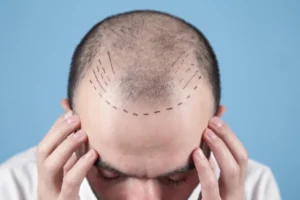
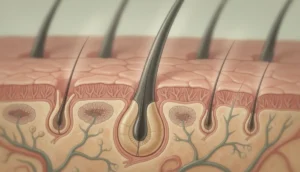
When you search for solutions to thinning hair, the phrase hair plugs vs transplant often appears at the top of the results. Both methods promise to restore a fuller appearance, yet they differ dramatically in technique, longevity, and overall outcome. Understanding these differences is crucial for anyone considering a permanent hair restoration solution. In fact, a recent survey found that over 60% of men experiencing early hair loss are unsure which option best suits their needs.
This article breaks down the fundamentals of hair plugs and modern hair transplant methods, compares key factors such as cost, recovery time, and naturalness, and offers guidance on how to choose the right approach for your individual situation. Whether you are dealing with a receding hairline, patchy thinning, or complete baldness, the information below will help you navigate the decision‑making process with confidence.
We will also highlight why Gold City Hair, a leading clinic in Turkey, remains a trusted partner for patients seeking safe, effective, and personalized hair restoration. Let’s begin by exploring each technique in detail.
What Are Hair Plugs?
Hair plugs are an older form of hair restoration that involves transplanting small clusters of hair follicles—typically 2 to 4 hairs per plug—into the balding area. The procedure emerged in the 1950s and gained popularity before the advent of more refined techniques. While the concept seems straightforward, the execution often leads to a “pluggy” appearance because the grafts are relatively large and spaced unevenly.
The process generally follows these steps:
- Donor hair is harvested from the back of the scalp, usually using a strip excision method.
- The strip is dissected into tiny grafts containing a few hairs each.
- Small incisions are made in the recipient area, and each graft is manually placed into the holes.
Because the plugs are larger, the scalp may exhibit visible bumps and a less natural hair direction. However, the technique can still be effective for patients with extensive baldness who are looking for a quick, low‑cost solution.
Typical advantages of hair plugs include:
- Lower upfront cost compared to many modern transplant methods.
- Relatively simple surgical steps that many surgeons are familiar with.
- Immediate visible hair growth in the transplanted area.
On the downside, hair plugs often require additional sessions to improve density, and the results can appear artificial, especially when viewed from a short distance. Moreover, the procedure does not preserve the natural angle of hair growth as precisely as newer techniques.
Overall, while hair plugs paved the way for contemporary hair restoration, most patients today opt for more advanced options that deliver a seamless, natural look.

What Is a Modern Hair Transplant?
Modern hair transplantation has evolved dramatically, with techniques such as Follicular Unit Extraction (FUE) and Direct Hair Implantation (DHI) leading the field. These methods harvest individual follicular units—typically 1 to 4 hairs each—directly from the donor area, leaving minimal scarring and allowing for a more natural distribution of grafts.
In an FUE procedure, a tiny punch tool extracts each follicular unit one by one, creating micro‑holes in the donor zone. The grafts are then stored in a specialized solution before being implanted into the recipient sites. DHI follows a similar extraction process but uses a proprietary implanter pen that places grafts directly into the scalp without the need for pre‑made incisions, reducing handling time and potentially improving graft survival.
Key benefits of modern hair transplants include:
- Natural hair direction and angle, resulting in an undetectable appearance.
- Minimal linear scarring—often invisible to the naked eye.
- Higher graft survival rates due to reduced trauma.
- Flexibility to treat various patterns of hair loss, from receding hairlines to extensive balding.
Below is a comparison of the most common modern techniques:
| Technique | Graft Size | Scarring | Recovery Time | Typical Cost (USD) |
|---|---|---|---|---|
| FUE | 1–4 hairs per graft | Micro‑dot scars, virtually invisible | 7–10 days | 2,500–6,000 |
| DHI | 1–4 hairs per graft | Micro‑dot scars, virtually invisible | 5–9 days | 3,000–7,500 |
| Strip Harvest (FUT) | 1–4 hairs per graft | Linear scar, may be hidden by hair | 10–14 days | 2,000–5,500 |
While the cost of modern transplants is generally higher than that of traditional hair plugs, the superior aesthetic outcome, lower maintenance, and long‑term durability often justify the investment for patients seeking a permanent solution.
Hair Plugs vs Transplant: Key Comparison Factors
Choosing between hair plugs and a modern transplant requires evaluating several critical factors. Below is a detailed side‑by‑side comparison that highlights the most common concerns of prospective patients.
| Factor | Hair Plugs | Modern Hair Transplant (FUE/DHI) |
|---|---|---|
| Natural Appearance | Often appears “pluggy” due to larger graft size and uneven spacing. | Highly natural; follicles placed at correct angle and density. |
| Scarring | Linear scar from strip harvesting; visible if hair is short. | Micro‑dot scars (FUE/DHI) that are virtually invisible. |
| Recovery Time | 7–10 days, but discomfort can be higher due to larger incisions. | 5–10 days, typically less painful and quicker return to normal activities. |
| Cost | Generally lower; $1,500–$3,500 for a full session. | Higher; $2,500–$7,500 depending on technique and graft number. |
| Longevity | Permanent grafts, but may require future touch‑ups for density. | Permanent and usually sufficient density in one or two sessions. |
| Suitability | Best for extensive baldness where cost is a primary concern. | Ideal for most patterns of hair loss, especially when a natural look is desired. |
In summary, while hair plugs can still serve as a budget‑friendly entry point, modern hair transplants dominate in terms of aesthetic quality, patient comfort, and long‑term satisfaction. The decision ultimately hinges on personal priorities such as cost tolerance, desired appearance, and willingness to undergo a more refined surgical process.
Choosing the Right Solution for Your Hair Loss
Deciding whether hair plugs vs transplant is the better route involves a personal assessment of several variables. Below are the most influential considerations:
- Extent of Hair Loss: Patients with diffuse thinning may benefit more from a transplant that can strategically place grafts, while those with large bald patches might find hair plugs a quicker fix.
- Budget: While hair plugs are less expensive, the long‑term cost of additional sessions or corrective procedures can offset initial savings.
- Desired Naturalness: If a seamless blend with existing hair is a priority, modern transplants provide superior results.
- Recovery Tolerance: Those who cannot afford extended downtime may prefer the less invasive nature of FUE/DHI.
- Future Hair Goals: Patients planning to maintain a short hairstyle should avoid techniques that leave noticeable scars.
It is advisable to schedule a comprehensive consultation with a qualified surgeon who can assess scalp laxity, donor hair quality, and overall health. During the consultation, the specialist will typically perform a visual examination, discuss realistic expectations, and outline a customized treatment plan.
Remember that no single solution fits every individual. A thorough evaluation, combined with an honest discussion of pros and cons, will guide you toward the most appropriate choice—whether that ends up being a classic hair plug session or a state‑of‑the‑art transplant.
Common Myths and Misconceptions
Misunderstandings about hair restoration can lead to unrealistic expectations. Below we debunk several prevalent myths surrounding hair plugs and modern transplants.
Myth 1: Hair Plugs Provide a Natural Look
Because hair plugs use larger grafts, the resulting appearance often looks “pluggy” rather than seamless. Modern techniques like FUE and DHI place individual follicles at precise angles, creating a more natural hair flow.
Myth 2: Transplants Are Only for Men
Both men and women experience pattern hair loss, and contemporary transplant methods are equally effective for female patients, especially when addressing thinning at the crown.
Myth 3: Higher Cost Means Better Results
While cost can reflect technology and surgeon expertise, a well‑executed hair plug procedure may still satisfy patients with limited budgets. However, for those prioritizing aesthetics and minimal scarring, the investment in a modern transplant often yields superior satisfaction.
Myth 4: Results Are Immediate
All hair restoration procedures require a shedding phase followed by new growth, typically visible after 3‑4 months. Full results are usually evident around 12‑18 months post‑procedure.
By separating fact from fiction, you can set realistic goals and choose the method that aligns best with your lifestyle and expectations.
Why Choose Gold City Hair for Your Hair Restoration
Gold City Hair has been delivering safe, effective hair restoration in Turkey since 2017. Our clinic specializes in advanced techniques such as FUE and DHI, offering personalized treatment plans that prioritize natural results and patient comfort. With a team of experienced surgeons and a commitment to transparent communication, we ensure every step—from initial screening to post‑procedure follow‑up—is handled with professionalism and care. Choose Gold City Hair for a trusted partner in achieving lasting confidence through hair restoration.
Ready to transform your look? Contact Gold City Hair today to schedule a free, no‑obligation consultation and discover the best solution for your hair loss journey.
Take the first step toward a fuller, more natural hairstyle—your confidence awaits.
FAQ
What is the difference between hair plugs and modern hair transplants?
Hair plugs use larger grafts of 2‑4 hairs placed in visible clusters, while modern transplants (FUE/DHI) use individual follicular units for a natural look.
How much do hair plugs cost compared to FUE or DHI procedures?
Hair plugs typically cost $1,500–$3,500 per session, whereas FUE ranges $2,500–$6,000 and DHI $3,000–$7,500.
What is the recovery time for hair plugs versus a modern transplant?
Hair plugs require about 7–10 days of recovery, while modern FUE/DHI patients typically heal in 5–10 days.
Which method provides a more natural appearance?
Modern hair transplants (FUE/DHI) deliver a far more natural look than hair plugs.
Are there any long‑term risks or touch‑up sessions needed for hair plugs?
Hair plugs are permanent but may require future touch‑ups to improve density and address a “pluggy” look.
How do I choose between hair plugs and a hair transplant?
Consider your budget, desired naturalness, extent of loss, recovery tolerance, and long‑term hair goals.