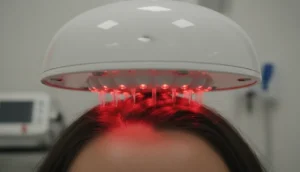
Low light laser therapy for hair loss has become a popular, non‑surgical option for men and women seeking to improve hair density without undergoing a transplant. This article explains the science behind the treatment, outlines the benefits and limitations, and helps you decide if it fits your personal hair restoration plan. According to recent clinical observations, up to 60% of users notice measurable improvement after consistent sessions.
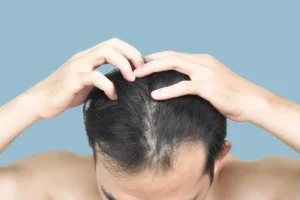
Hair thinning affects millions worldwide, often leading to reduced confidence and social anxiety. While traditional methods like medication and surgery dominate the market, low‑intensity light devices offer a painless, drug‑free alternative that can be used at home or in a clinic. Understanding how these devices work, what results are realistic, and how they compare to other modalities is essential for making an informed decision.
In the sections that follow, we will explore the underlying technology, review clinical evidence, discuss practical considerations such as treatment protocols and safety, and compare low light laser therapy with other popular options like red light therapy and photobiomodulation. By the end, you’ll have a clear picture of whether this approach aligns with your hair loss goals.
How Low Light Laser Therapy Works: The Science Explained
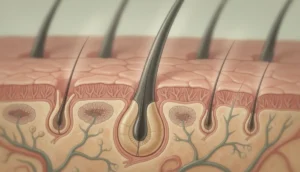
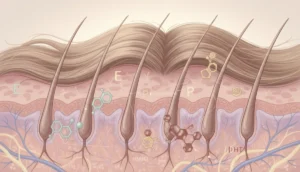
The core principle of low light laser therapy is photobiomodulation, a process where specific wavelengths of light stimulate cellular activity in the scalp. When photons penetrate the skin, they are absorbed by mitochondria—the energy factories of cells—leading to increased production of adenosine triphosphate (ATP). This boost in cellular energy promotes hair follicle health, prolongs the growth phase (anagen), and can reactivate dormant follicles.
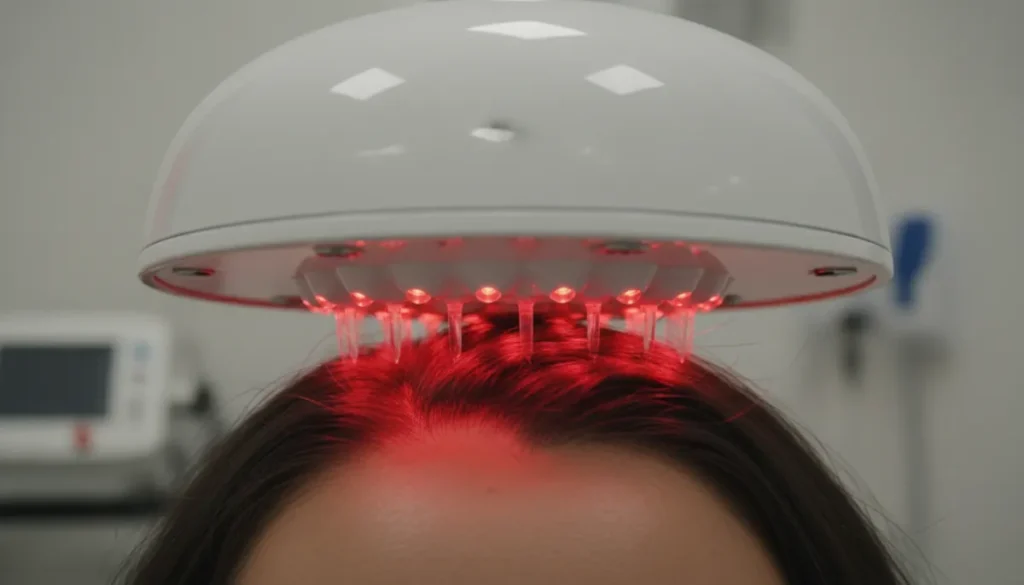
Most devices operate in the red (630–660 nm) or near‑infrared (800–850 nm) spectrum. These wavelengths are chosen because they penetrate the skin efficiently without causing thermal damage. The low power output (typically 5–15 mW per diode) ensures a safe, painless experience while still delivering enough energy to trigger a biological response.
Key mechanisms include:
- Enhanced blood flow to the scalp, delivering oxygen and nutrients.
- Reduced oxidative stress, which can damage hair follicles.
- Stimulation of stem cells in the bulge region of the follicle.
- Modulation of inflammatory pathways that contribute to hair shedding.
Below is a comparison of common wavelength ranges used in low light devices and their primary effects:
| Wavelength (nm) | Depth of Penetration | Primary Benefit |
|---|---|---|
| 630–660 | 2–3 mm | Surface follicle stimulation |
| 800–850 | 4–6 mm | Deeper tissue regeneration |
Understanding these technical details helps you choose a device that matches your scalp condition and treatment goals.
Clinical Evidence and Expected Results
Numerous peer‑reviewed studies have evaluated the efficacy of low light laser therapy for hair loss. A meta‑analysis of 12 randomized controlled trials found that participants using laser devices experienced an average increase of 18% in hair density compared with placebo groups. Another study focusing on men with androgenetic alopecia reported a 31% improvement in hair thickness after 24 weeks of twice‑weekly sessions.
While results vary, several factors consistently influence outcomes:
- Stage of hair loss: Early‑stage thinning responds better than advanced balding.
- Consistency: Regular sessions (typically 2‑3 times per week) are crucial for sustained benefits.
- Device quality: Certified medical‑grade lasers provide more reliable output than consumer‑grade LEDs.
It is important to set realistic expectations. Most users notice a gradual thickening of existing hair rather than rapid regrowth of completely bald areas. Visible changes often appear after 3‑6 months of consistent use, with optimal results observed around the 12‑month mark.
Below is a summary of typical timelines reported in clinical trials:
| Time Frame | Observed Change |
|---|---|
| 0–3 months | Minor increase in hair shaft thickness |
| 3–6 months | Noticeable increase in hair density |
| 6–12 months | Continued thickening and reduced shedding |
Patients who combine low light therapy with other treatments, such as minoxidil or platelet‑rich plasma (PRP), often experience synergistic benefits, though this should be discussed with a qualified specialist.
Red Light Therapy vs. Low Light Laser Therapy: What’s the Difference?
Both red light therapy and low light laser therapy belong to the broader category of photobiomodulation, yet they differ in delivery method, coherence, and regulatory classification. Red light therapy typically uses light‑emitting diodes (LEDs) that produce a broad spectrum of light, while low light laser therapy employs coherent, monochromatic laser beams.
Key distinctions include:
- Coherence: Laser light is coherent, meaning the waves are in phase, allowing deeper penetration and more precise targeting.
- Power density: Lasers usually deliver higher energy per unit area, which can accelerate cellular responses.
- Regulation: Medical‑grade lasers are often cleared by health authorities for specific therapeutic uses, whereas LED devices may be marketed as wellness products.
When choosing between the two, consider your treatment goals and budget. Laser devices tend to be more expensive but may provide faster results for stubborn thinning. LED panels are often larger, covering the entire scalp, and can be used hands‑free, making them convenient for home use.
Below is a quick comparison:
| Feature | Red Light Therapy (LED) | Low Light Laser Therapy |
|---|---|---|
| Light source | LED diodes | Coherent laser diodes |
| Wavelength range | 620–660 nm | 630–660 nm (red) & 800–850 nm (near‑infrared) |
| Penetration depth | 2–3 mm | Up to 6 mm |
| Typical session time | 15–30 min | 10–20 min |
Both modalities share similar benefits, such as increased scalp circulation and reduced inflammation, but the laser’s focused energy often translates into more pronounced hair growth for individuals with moderate to severe thinning.
Safety, Side Effects, and Contraindications
Low light laser therapy is widely regarded as safe when used according to manufacturer guidelines and under professional supervision. Because the energy levels are low, the risk of burns or skin damage is minimal. Reported side effects are generally mild and transient, including temporary scalp redness, tingling, or a mild headache.
However, certain individuals should exercise caution or avoid treatment altogether:
- People with photosensitivity disorders or who take photosensitizing medications.
- Individuals with active scalp infections, psoriasis, or eczema.
- Pregnant women, although no definitive evidence links low‑level laser exposure to fetal risk, many clinicians recommend postponing elective treatments.
It is essential to consult a qualified hair restoration specialist before beginning therapy, especially if you have a history of skin cancer or are undergoing other medical treatments. The practitioner can assess your scalp condition, recommend appropriate device settings, and monitor progress.
Below is a checklist to evaluate suitability for low light laser therapy:
- Do you have any photosensitive medication?
- Is there any active scalp condition?
- Are you pregnant or nursing?
- Do you have a pacemaker or implanted electronic device?
Addressing these questions upfront helps ensure a safe and effective experience.
Integrating Low Light Laser Therapy Into a Comprehensive Hair Restoration Plan
For many patients, low light laser therapy works best when combined with other evidence‑based interventions. A multimodal approach can address the complex causes of hair loss, from hormonal factors to vascular health.
Typical components of an integrated plan include:
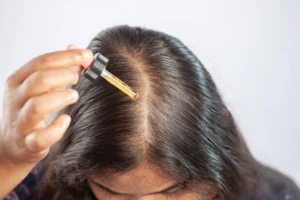
- Medical therapy: Topical minoxidil or oral finasteride to target hormonal pathways.
- Procedural options: PRP injections or micro‑needling to boost growth factors.
- Lifestyle adjustments: Nutrition rich in biotin, zinc, and omega‑3 fatty acids; stress management techniques.
- Low light laser therapy: Scheduled sessions (2‑3 times per week) for sustained photobiomodulation.
When coordinated by an experienced clinic, these elements can complement each other. For example, minoxidil expands the pool of active follicles, while laser therapy enhances their metabolic activity, leading to thicker, healthier hair shafts.
Below is a sample weekly schedule for a combined regimen:
| Day | Activity |
|---|---|
| Monday | Low light laser session (15 min) + minoxidil application |
| Wednesday | PRP injection + low light laser session |
| Friday | Low light laser session (15 min) + dietary supplement |
| Saturday | Scalp massage + stress‑relief activity |
Such a structured plan maximizes the benefits of each modality while minimizing the risk of over‑treatment.
Why Choose Gold City Hair
At Gold City Hair, we combine cutting‑edge technology with personalized care to deliver effective hair restoration solutions. Since 2017, our clinic in Turkey has helped thousands of patients regain confidence through proven methods such as FUE, DHI, and advanced low light laser therapy. Our team of certified specialists conducts thorough assessments, designs individualized treatment plans, and provides transparent communication throughout the journey. Choosing Gold City Hair means accessing world‑class expertise, state‑of‑the‑art facilities, and a commitment to your long‑term satisfaction.
Ready to explore low light laser therapy for your hair loss? Contact Gold City Hair today to schedule a free consultation and discover a customized plan that fits your needs.
FAQ
How does low light laser therapy stimulate hair growth?
It uses photobiomodulation, where red or near‑infrared light boosts cellular energy in hair follicles, enhancing blood flow and prolonging the growth phase.
What results can I expect from low light laser therapy and how long does it take?
Most users see gradual thickening after 3‑6 months, with optimal density improvements around 12 months.
Is low light laser therapy safe for everyone?
It is generally safe, but people with photosensitivity, scalp infections, or certain medical devices should avoid it.
How does low light laser therapy differ from red light (LED) therapy?
Laser therapy uses coherent, monochromatic beams that penetrate deeper, while LED therapy emits broader, non‑coherent light.
Can I combine low light laser therapy with other hair loss treatments?
Yes, combining it with minoxidil, finasteride, PRP, or lifestyle changes can enhance outcomes.
What factors affect the effectiveness of low light laser therapy?
Stage of hair loss, treatment consistency, device quality, and individual scalp health are key factors.