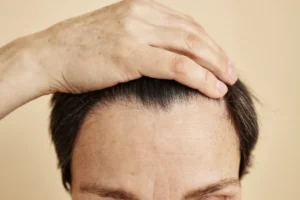
Many women wonder does high testosterone cause hair loss in females and seek clear answers. Hormonal balance is a key driver of healthy hair growth, and shifts in testosterone levels can lead to noticeable thinning or pattern baldness. This article breaks down the science behind testosterone‑related hair loss, explains how to recognize the signs, and outlines proven treatment pathways. According to recent dermatology studies, up to 40% of women with unexplained hair thinning have elevated androgen levels, making this a common concern.
We’ll explore how testosterone interacts with hair follicles, the role of dihydrotestosterone (DHT), and why some women experience a receding hairline that resembles male pattern baldness. Understanding these mechanisms empowers you to seek targeted interventions, whether through medication, lifestyle adjustments, or advanced procedures like hair transplantation.
By the end of this guide, you’ll know how to assess whether high testosterone is the culprit behind your hair loss and what steps you can take to restore confidence and a fuller head of hair.
The Role of Hormones in Female Hair Growth

Hair growth cycles are regulated by a complex interplay of hormones, including estrogen, progesterone, and androgens such as testosterone. In women, estrogen generally promotes the anagen (growth) phase, while elevated androgens can shorten this phase, leading to miniaturization of the hair shaft.
Key hormonal influences include:
- Estrogen: Extends the growth phase and supports thicker strands.
- Progesterone: Balances androgen effects and helps maintain follicle health.
- Testosterone: When converted to dihydrotestosterone (DHT) by the enzyme 5‑α‑reductase, it can bind to androgen receptors in the scalp.
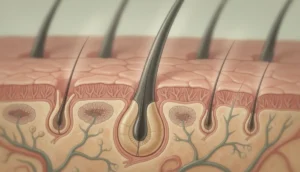
When DHT binds to these receptors, it triggers a cascade that shrinks the follicle, resulting in finer, shorter hairs—a process known as follicular miniaturization. This is the same mechanism behind male pattern baldness, but in women it often presents as diffuse thinning on the crown or a widening part.
Understanding this hormonal backdrop is essential for answering the question does high testosterone cause hair loss in females. If androgen levels rise beyond the scalp’s capacity to metabolize them safely, the risk of hair loss increases significantly.
How Elevated Testosterone Leads to Hair Thinning
When testosterone levels rise, either due to polycystic ovary syndrome (PCOS), adrenal disorders, or external sources like anabolic steroids, the conversion to DHT accelerates. DHT binds more strongly to hair follicle receptors than testosterone itself, intensifying the miniaturization process.
Specific ways high testosterone contributes to hair loss include:
- Increased 5‑α‑reductase activity, leading to higher DHT concentrations.
- Enhanced sensitivity of follicle androgen receptors, often genetically determined.
- Disruption of the normal hair growth cycle, shortening the anagen phase.
Research indicates that women with PCOS exhibit DHT levels up to 30% higher than those without the condition, correlating with a higher incidence of female pattern baldness. This explains why many patients ask, “does high testosterone cause hair loss in females?”—the answer is yes, when the hormonal environment tips toward excess androgens.
Below is a comparison of typical hormone profiles in women with normal versus elevated testosterone levels:
| Parameter | Normal Range | Elevated Range |
|---|---|---|
| Total Testosterone (ng/dL) | 15–70 | >70 |
| Free Testosterone (pg/mL) | 0.3–1.9 | >2.0 |
| DHT (ng/dL) | 30–70 | >80 |
These elevated values often coincide with clinical signs such as acne, hirsutism, and irregular menstrual cycles, alongside the hair thinning that raises the question of causality.
Identifying Symptoms and Getting an Accurate Diagnosis
Recognizing that high testosterone may be behind your hair loss involves observing both scalp and systemic symptoms. Common indicators include:
- Gradual thinning on the crown or widening of the part.
- Increased facial or body hair (hirsutism).
- Acne or oily skin, especially in adulthood.
- Irregular menstrual cycles or fertility issues.
Because many of these signs overlap with other conditions, a thorough diagnostic work‑up is essential. The standard approach includes:
- Detailed medical history and physical examination.
- Blood tests to measure total and free testosterone, DHT, luteinizing hormone (LH), and follicle‑stimulating hormone (FSH).
- Scalp biopsy (in ambiguous cases) to assess follicle miniaturization.
- Trichoscopy—a non‑invasive imaging technique that visualizes hair shaft thickness and follicular patterns.
When a dermatologist confirms that androgen excess is a primary factor, the treatment plan can be tailored accordingly. This targeted approach answers the lingering question of does high testosterone cause hair loss in females by linking lab results directly to clinical presentation.
Treatment Options for Hormone‑Related Hair Loss
Once elevated testosterone is identified as the driver of hair thinning, several evidence‑based treatments can restore hair density and halt further loss.
Medical therapies focus on reducing androgen activity:
- Anti‑androgens (e.g., spironolactone, finasteride): Block androgen receptors and lower DHT production.
- Oral contraceptives: Regulate hormonal cycles and decrease free testosterone.
- Topical minoxidil 5%: Stimulates follicular blood flow and prolongs the anagen phase.
For women who prefer a non‑pharmaceutical route or who have limited response, procedural options are available:
| Treatment | How It Works | Typical Results | Recovery Time |
|---|---|---|---|
| FUE Hair Transplant | Individual follicle extraction and implantation | Natural‑looking density within 12‑18 months | 1‑2 weeks |
| DHI Hair Transplant | Direct implantation using a pen‑style device | Higher graft survival, quicker healing | 1 week |
| PRP Therapy | Platelet‑rich plasma injected to boost growth factors | Improves thickness in early‑stage loss | Minimal downtime |
Combining medical and procedural strategies often yields the best outcomes, especially for women whose hair loss is driven by high testosterone. Discussing these options with a qualified specialist ensures a plan that addresses both the hormonal cause and the aesthetic goal.
Lifestyle Changes to Support Healthy Hair
While medical interventions are pivotal, everyday habits can reinforce hair health and help balance testosterone levels naturally.
Effective lifestyle adjustments include:
- Balanced diet: Emphasize omega‑3 fatty acids, zinc, and biotin—nutrients that support follicle function.
- Regular aerobic exercise: Helps regulate insulin and reduces androgen excess.
- Stress management: Chronic stress elevates cortisol, which can exacerbate hormonal imbalances.
- Avoiding excessive sugar and refined carbs: These can increase insulin resistance, indirectly raising testosterone.
Incorporating these practices not only improves overall well‑being but also creates a supportive environment for hair regrowth. Women who combine lifestyle changes with targeted treatments often report faster, more sustainable results.
Why Choose Gold City Hair
Gold City Hair has been a trusted hair restoration center in Turkey since 2017, offering personalized FUE and DHI procedures performed by experienced surgeons. Our clinic emphasizes transparent communication, thorough hormonal assessments, and customized treatment plans that address the root cause of hair loss—whether it’s high testosterone or other factors. By integrating medical expertise with state‑of‑the‑art technology, we help women regain confidence and achieve natural‑looking results.
Ready to take control of your hair health? Contact Gold City Hair today for a comprehensive evaluation and discover the most effective solutions for hormone‑related hair loss.
Book your consultation now and start your journey toward fuller, healthier hair.
FAQ
Does high testosterone cause hair loss in women?
Yes, elevated testosterone can trigger hair thinning in women by converting to DHT, which miniaturizes hair follicles.
How does DHT affect female hair follicles?
DHT binds strongly to scalp androgen receptors, shortening the growth phase and causing follicles to shrink.
What are the common symptoms of testosterone‑related hair loss in females?
Typical signs include thinning on the crown, widening part, increased facial/body hair, acne, and menstrual irregularities.
How is hormone‑related hair loss diagnosed?
Diagnosis involves medical history, physical exam, blood hormone tests, scalp biopsy, and trichoscopy.
What treatment options are available for women with high testosterone‑induced hair loss?
Options include anti‑androgens, oral contraceptives, topical minoxidil, PRP therapy, and hair transplantation (FUE/DHI).
Can lifestyle changes help reduce hair loss caused by high testosterone?
Yes, a balanced diet, regular exercise, stress management, and low‑glycemic foods can support hormonal balance and hair health.
Is hair transplantation effective for women with androgenic alopecia?
Yes, modern FUE and DHI techniques can restore natural‑looking density in women with hormone‑related hair loss.