When it comes to natural supplements for hair loss, many people seek safe, evidence‑based options that support the body’s own ability to grow stronger, thicker strands. Understanding which nutrients truly make a difference can empower you to choose products that complement professional treatments and improve overall confidence. In fact, studies show that up to 70% of hair‑related concerns can be linked to nutritional deficiencies, highlighting the importance of a balanced approach.
This article examines the science behind popular hair‑growth nutrients, reviews the most researched supplements, and offers practical guidance on selecting the right regimen for your unique needs. Whether you are exploring a preventive strategy or looking to boost results after a transplant, the information here will help you make informed decisions.
We’ll also discuss how these supplements fit into a broader hair‑restoration plan, including lifestyle habits that enhance effectiveness and common myths that can lead to disappointment. Let’s dive into the world of natural solutions that support healthy hair growth.
Understanding Hair Loss and the Role of Nutrition
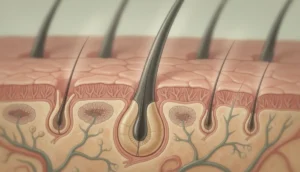
Hair follicles are highly metabolic structures that rely on a steady supply of vitamins, minerals, and proteins. When the body lacks essential nutrients, the growth cycle can be disrupted, leading to thinning or shedding. A diet for good hair growth should therefore provide a spectrum of micronutrients that support keratin production, circulation, and hormone balance.
Key nutrients include:
- Biotin (Vitamin B7) – Supports keratin synthesis and strengthens the hair shaft.
- Vitamin D – Modulates hair follicle cycling and may reduce inflammation.
- Iron – Crucial for oxygen transport; iron deficiency is a common cause of diffuse hair loss.
- Zinc – Helps regulate oil glands and supports DNA repair in follicular cells.
- Omega‑3 fatty acids – Improve scalp blood flow and reduce inflammation.
- Protein – Provides the building blocks (amino acids) necessary for hair structure.
In addition to these, vitamins for hair growth such as A, C, and E act as antioxidants, protecting follicles from oxidative stress. A balanced diet rich in leafy greens, lean proteins, nuts, and fatty fish can provide many of these nutrients naturally. However, modern lifestyles, restrictive diets, or medical conditions often create gaps that supplements can fill.
Research indicates that individuals who combine a nutrient‑dense diet with targeted hair growth supplements experience faster regrowth and improved thickness compared with diet alone. This synergy underscores why many clinicians recommend a holistic approach that includes both nutrition and professional care.
Top Natural Supplements Backed by Research
Among the myriad products on the market, a handful of ingredients have consistently demonstrated efficacy in clinical studies. Below is a concise overview of the most studied options, each acting as a natural DHT blocker or nutrient booster.
| Supplement | Key Active | Primary Benefit | Typical Dose |
|---|---|---|---|
| Saw Palmetto | Saw Palmetto Extract | Inhibits 5‑α‑reductase, reducing DHT levels | 320 mg daily |
| Viviscal | Amino‑Mar C (marine complex) | Promotes follicle health and reduces shedding | 2 tablets daily |
| Biotin Complex | Biotin + Vitamin B5 | Strengthens keratin structure | 5,000 µg daily |
| Iron + Vitamin C | Ferrous Bisglycinate + Ascorbic Acid | Improves oxygen delivery to follicles | 18 mg iron with 500 mg vitamin C |
| Omega‑3 Fish Oil | Eicosapentaenoic & Docosahexaenoic Acids | Enhances scalp circulation | 1,000 mg daily |
Saw palmetto is perhaps the most recognized natural DHT blocker, often compared with pharmaceutical agents for its ability to slow androgen‑related hair loss. Studies on both men and women show modest but statistically significant improvements in hair density after three to six months of consistent use.
Viviscal combines marine proteins with antioxidants, and multiple randomized trials have reported a 20‑30% increase in hair count compared with placebo. Its proprietary blend is especially popular among those seeking a non‑pharmaceutical option.
Other supplements such as hair growth vitamins that combine biotin, zinc, and vitamin D provide a broader nutritional foundation, supporting overall follicle health. When selecting a product, look for third‑party testing and transparent ingredient sourcing to ensure quality.
How to Choose the Right Supplement for Your Needs
Choosing a supplement is not a one‑size‑fits‑all decision. Individual factors such as age, gender, underlying health conditions, and existing treatments influence which ingredients will be most effective.
Consider the following criteria:
- Specific Goal – Are you targeting hormonal DHT reduction, nutrient deficiency, or overall scalp health?
- Scientific Evidence – Prioritize ingredients with peer‑reviewed studies supporting hair‑growth claims.
- Safety Profile – Check for potential interactions with medications (e.g., blood thinners and high‑dose fish oil).
- Dosage and Formulation – Capsules, gummies, or powders each have absorption differences; choose what fits your routine.
- Quality Assurance – Look for GMP certification and third‑party lab results.
For women, formulations that combine saw palmetto for women with iron and vitamin D often address both hormonal and nutritional aspects. Men may benefit from higher‑dose DHT blockers paired with biotin. Always consult a healthcare professional before beginning any new regimen, especially if you have thyroid issues, anemia, or are pregnant.
Remember that supplements work best when taken consistently for at least three months, as hair growth cycles require time to manifest visible changes.
Combining Supplements with Professional Hair Restoration
While natural supplements can improve hair density, they are most powerful when integrated with clinically proven procedures such as FUE (Follicular Unit Extraction) or DHI (Direct Hair Implantation). These techniques relocate healthy follicles from donor areas to thinning zones, creating a permanent foundation for growth.
Post‑procedure care often includes a tailored supplement plan to:
- Reduce inflammation and support graft survival.
- Supply essential nutrients that accelerate the anagen (growth) phase.
- Maintain overall scalp health, minimizing future shedding.
For example, a typical post‑transplant protocol at Gold City Hair may recommend a combination of biotin, omega‑3 fish oil, and a gentle DHT blocker for the first six weeks, followed by a maintenance regimen of a multivitamin rich in zinc and vitamin D.
By aligning supplement intake with the timing of graft healing, patients often experience faster recovery, thicker new hair, and a reduced need for repeat procedures.
Lifestyle Habits that Enhance Supplement Effectiveness
Supplements are only one piece of the puzzle. Lifestyle choices can either amplify or undermine their benefits.
Adopt these habits to maximize results:
- Regular Scalp Massage – Stimulates blood flow, helping nutrients reach follicles.
- Stress Management – Chronic stress elevates cortisol, which can trigger telogen effluvium; practices like meditation or yoga are beneficial.
- Adequate Sleep – Growth hormone peaks during deep sleep, supporting hair regeneration.
- Avoid Harsh Styling – Limit heat, tight hairstyles, and chemical treatments that cause breakage.
- Stay Hydrated – Water is essential for cellular metabolism and nutrient transport.
Combining these habits with a well‑chosen supplement regimen creates a synergistic effect, leading to more robust and sustainable hair growth. Even simple changes, such as incorporating a daily 10‑minute scalp massage, have been shown to improve the absorption of topical and oral nutrients.
Common Myths About Natural Hair Supplements
Despite growing popularity, several misconceptions persist:
- Myth: Supplements work overnight. In reality, hair growth cycles mean visible changes typically appear after 12‑16 weeks of consistent use.
- Myth: All “natural” products are safe. Some herbs can interact with medications or cause allergic reactions; always verify safety.
- Myth: Higher doses guarantee better results. Excessive intake of certain vitamins (e.g., vitamin A) can actually trigger hair loss.
- Myth: Supplements replace medical treatment. They are most effective when used alongside professional evaluation and, when needed, clinical interventions.
Understanding these facts helps set realistic expectations and encourages a balanced approach that leverages both natural and medical solutions for optimal outcomes.
Why Choose Gold City Hair
Gold City Hair has been a trusted leader in hair restoration since 2017, offering personalized care and transparent communication. Our clinic specializes in advanced techniques such as FUE, DHI, and eyebrow or beard transplants, ensuring each patient receives a treatment plan tailored to their unique needs. By combining cutting‑edge surgical expertise with evidence‑based supplement guidance, we help you achieve lasting confidence and natural‑looking results.
Ready to restore your hair with a comprehensive, science‑backed approach? Contact Gold City Hair today to schedule a personalized consultation and discover the perfect blend of professional treatment and natural supplementation for you.
FAQ
What natural supplements are most effective for hair loss?
Supplements with biotin, saw palmetto, iron with vitamin C, omega‑3 fish oil, and comprehensive hair‑growth vitamin blends have the strongest research support.
How does biotin help with hair growth?
Biotin (vitamin B7) supports keratin production, strengthening the hair shaft and reducing breakage.
Can saw palmetto reduce DHT levels naturally?
Yes, saw palmetto inhibits the 5‑α‑reductase enzyme, lowering DHT production and slowing androgen‑related hair loss.
How should I combine supplements with a hair transplant?
Start a post‑procedure regimen of biotin, omega‑3 fish oil, and a gentle DHT blocker for the first six weeks, then transition to a maintenance multivitamin.
How long does it take to see results from hair loss supplements?
Visible improvements usually appear after 12‑16 weeks of consistent daily use.
Are there any risks or side effects of hair loss supplements?
Most are safe at recommended doses, but high doses of certain vitamins (e.g., vitamin A) or interactions with medications can cause issues.
What lifestyle habits enhance the effectiveness of hair supplements?
Regular scalp massage, stress management, adequate sleep, balanced diet, and avoiding harsh styling boost supplement results.