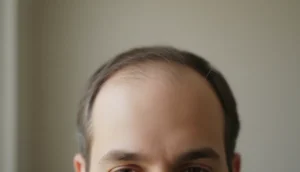
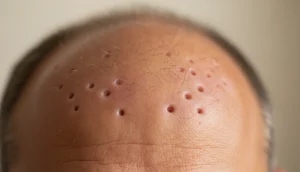
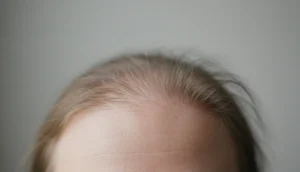
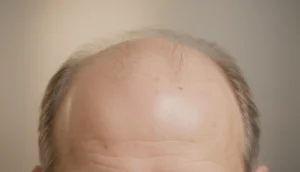
Hair thinning at temples is a common concern for both men and women, often signaling the early stages of patterned hair loss. The temples are a vulnerable area because the hair follicles there are genetically predisposed to mini‑aturization, making the scalp appear wider and the hairline recede. According to dermatological studies, up to 40 % of adults notice some degree of temple hair loss by their thirties, highlighting the importance of early detection and intervention.
This article explains the underlying mechanisms behind temple hair loss, outlines practical steps to identify the condition before it progresses, and reviews both non‑surgical and surgical solutions. Whether you are seeking lifestyle adjustments, topical therapies, or a permanent restoration through transplant, understanding each option will help you make an informed decision and regain confidence.
We will also discuss why a specialized clinic like Gold City Hair, with expertise in FUE and DHI techniques, offers a personalized approach that maximizes natural‑looking results for temple alopecia.
Understanding Temple Hair Loss: Common Causes
The temples are often the first region where hair thinning at temples becomes noticeable. Several factors contribute to this pattern, each requiring a specific management strategy.
- Genetic predisposition: Androgen‑sensitive follicles shrink under the influence of dihydrotestosterone (DHT), leading to gradual thinning.
- Hormonal changes: Women may experience temple hair loss during menopause or after pregnancy due to fluctuating estrogen levels.
- Stress and lifestyle: Chronic stress elevates cortisol, which can disrupt the hair growth cycle and accelerate thinning.
- Nutritional deficiencies: Insufficient iron, zinc, or vitamin D hampers follicle health.
- Medical conditions: Thyroid disorders, alopecia areata, and scalp infections can target the temples specifically.
Below is a concise comparison of the most prevalent causes and their typical presentation:
| Cause | Typical Pattern | Key Indicator |
|---|---|---|
| Genetic (Androgenic) | Gradual recession of the hairline, especially at temples | Family history of male/female pattern baldness |
| Hormonal (Menopause) | Diffuse thinning with accentuated temple loss | Onset coincides with menstrual changes |
| Stress‑related | Sudden shedding, often accompanied by other scalp stress signs | Recent major life events or chronic workload |
| Nutritional | Overall thinning, temples appear more pronounced | Diet low in iron, zinc, or vitamin D |
| Medical (Thyroid) | Generalized thinning with possible dry scalp | Accompanying fatigue, weight changes |

Recognizing the Early Signs of Thinning Temples
Detecting hair thinning at temples early can significantly improve treatment outcomes. The following signs often precede noticeable recession:
- Increased scalp visibility when hair is pulled back.
- Reduced hair density when parting the hair in the front.
- Fine, short hairs replacing previously thick strands.
- Changes in hair texture, such as increased brittleness.
Self‑assessment techniques include using a handheld mirror to view the temples from multiple angles and photographing the area monthly to track changes. Dermatologists may employ a trichoscopic examination, which magnifies the scalp to reveal miniaturized follicles and inflammation.
Early intervention options differ based on the severity of the signs. For mild thinning, topical solutions like minoxidil can prolong the anagen phase, while moderate cases may benefit from platelet‑rich plasma (PRP) therapy to stimulate follicle activity.
Non‑Surgical Treatments for Temple Hair Thinning
Before considering surgical options, many patients explore non‑invasive therapies that can stabilize or even reverse temple hair loss. These treatments are often combined for synergistic effects.
Topical Medications
Minoxidil (2 % for women, 5 % for men) remains the most widely used over‑the‑counter solution. Applied twice daily, it enlarges follicle size and extends the growth phase. Finasteride, an oral DHT blocker, is prescribed primarily for men but can be used off‑label for women under strict medical supervision.
Platelet‑Rich Plasma (PRP) Therapy
PRP involves drawing a small amount of the patient’s blood, concentrating platelets, and injecting the serum into the thinning temple area. Growth factors released by platelets promote angiogenesis and follicular regeneration. Typical protocols recommend three sessions spaced one month apart.
Low‑Level Laser Therapy (LLLT)
LLLT devices emit red light wavelengths (630‑660 nm) that stimulate cellular metabolism within the hair follicle. Handheld combs or helmet‑style units can be used at home for 10‑15 minutes daily.
Scalp Microneedling
Microneedling creates micro‑injuries that trigger wound‑healing pathways, enhancing the absorption of topical agents. When combined with minoxidil, studies show a 30 % increase in hair density compared to minoxidil alone.
Below is a quick comparison of these non‑surgical options:
| Treatment | Typical Sessions | Expected Improvement (3‑6 months) | Key Advantage |
|---|---|---|---|
| Minoxidil | Twice daily application | 10‑20 % increase in density | Easy, low‑cost |
| Finasteride | Daily oral dose | 15‑25 % reduction in shedding | Systemic DHT control |
| PRP | 3‑4 sessions | 20‑35 % new hair growth | Autologous, minimal downtime |
| LLLT | 3‑5 min daily | 5‑15 % density boost | Non‑invasive, at‑home |
| Microneedling | Every 4‑6 weeks | 10‑20 % increase when combined | Enhances topical absorption |
When Hair Transplant Is the Best Solution for Temple Alopecia
For individuals with advanced hair thinning at temples where non‑surgical methods have plateaued, a hair transplant offers a permanent, natural‑looking restoration. Gold City Hair specializes in two state‑of‑the‑art techniques:
- Follicular Unit Extraction (FUE): Individual follicles are harvested from a donor area (typically the back of the scalp) and implanted into the temple region using micro‑incisions. This method leaves no linear scar.
- Direct Hair Implantation (DHI): Similar to FUE, but follicles are loaded into a specialized implanter pen, allowing precise control over angle and depth, which is crucial for recreating a natural hairline.
Key considerations before opting for surgery include:
- Donor hair availability – sufficient density in the occipital area is essential.
- Scalp laxity – tighter scalp may require tissue expansion or staged procedures.
- Realistic expectations – transplant can restore the hairline but cannot increase overall hair density beyond donor capacity.
During a typical consultation at Gold City Hair, patients receive a detailed assessment, digital hairline simulation, and a personalized plan that outlines graft count, session timeline, and post‑operative care. Most clients see visible growth within three months, with full maturation at 12‑18 months.
Maintaining Results and Lifestyle Tips for Healthy Temples
Regardless of the chosen treatment, long‑term success depends on consistent scalp care and lifestyle choices that support follicle vitality.
Scalp Hygiene
Use a gentle, sulfate‑free shampoo to avoid stripping natural oils. Massage the scalp for 2‑3 minutes daily to improve blood circulation, especially in the temple region where vessels are more superficial.
Nutrition and Supplements
Incorporate foods rich in omega‑3 fatty acids, biotin, and antioxidants. Supplements such as marine collagen, iron (if deficient), and vitamin D can complement medical therapies.
Stress Management
Practices like mindfulness meditation, regular exercise, and adequate sleep (7‑9 hours) reduce cortisol spikes that may aggravate hair shedding.
Protective Styling
Avoid tight hairstyles that pull on the temples, such as severe ponytails or braids. When using heat tools, apply a heat‑protectant spray and keep temperatures below 180 °C.
Following these guidelines helps preserve graft survival after a transplant and maximizes the effectiveness of topical or injectable treatments, ensuring that the restored temple hair remains robust for years to come.
Why Choose Gold City Hair
Gold City Hair combines over seven years of experience with cutting‑edge FUE and DHI technologies, delivering personalized hair restoration solutions in Turkey. Our team of board‑certified surgeons prioritizes natural‑looking results, transparent communication, and comprehensive after‑care. By tailoring each plan to the individual’s pattern of temple hair loss, we achieve higher graft survival rates and patient satisfaction.
Ready to restore your temple hair and regain confidence? Contact Gold City Hair today to schedule a free, no‑obligation consultation and discover the most effective solution for your unique needs.
FAQ
What causes hair thinning at the temples?
Hair thinning at the temples is mainly driven by genetics, hormonal changes, stress, nutritional deficiencies, and certain medical conditions.
How can I recognize early signs of temple hair thinning?
Early signs include increased scalp visibility, reduced density when parting hair, finer short hairs, and changes in hair texture.
What non‑surgical options are available for temple hair thinning?
Topical minoxidil, oral finasteride, PRP therapy, low‑level laser therapy, and scalp microneedling are common non‑surgical treatments.
When is a hair transplant the best solution for temple alopecia?
A transplant is recommended when non‑surgical methods no longer produce progress and there is sufficient donor hair density.
How can I maintain results after temple hair restoration?
Maintain scalp hygiene, proper nutrition, stress management, and avoid tight hairstyles to support long‑term hair health.