Low light therapy hair loss solutions have gained attention as a non‑invasive option for individuals seeking to restore thinning hair. This article explains the science behind low light therapy, reviews its proven benefits, and shows how it can complement surgical hair restoration methods. With over 1,300 monthly searches, many people are curious whether this approach truly works.
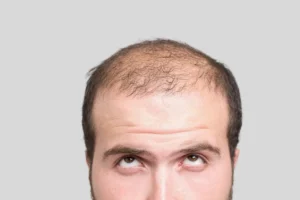
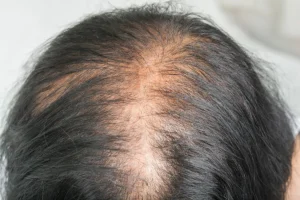
Hair loss affects up to 40 % of men by age 35 and 50 % of women by age 50, often leading to reduced confidence and self‑esteem. While hair transplants such as FUE and DHI remain gold‑standard solutions, low light therapy offers a painless, drug‑free alternative that can be used before, after, or alongside surgery.
In the following sections you will learn how low light therapy stimulates cellular activity, what clinical evidence says about its effectiveness, how to choose the right device, and what to expect during a typical treatment course. By the end, you’ll have a clear roadmap for incorporating this technology into your personal hair‑restoration plan.
How Low Light Therapy Works for Hair Loss
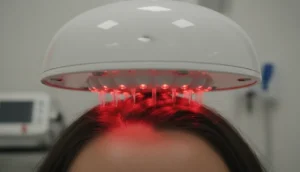
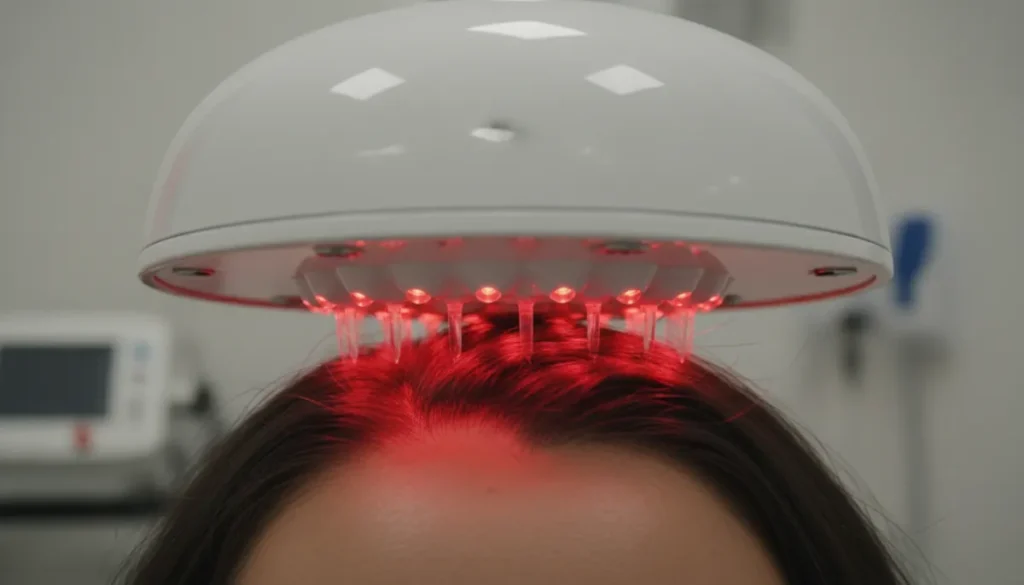
Low light therapy, often referred to as low‑level light therapy (LLLT) or photobiomodulation, uses specific wavelengths of red or near‑infrared light to penetrate the scalp and activate dormant hair follicles. The light energy is absorbed by cytochrome c oxidase in mitochondria, enhancing cellular respiration and increasing adenosine triphosphate (ATP) production. This boost in cellular energy promotes the anagen (growth) phase of the hair cycle.
Key mechanisms include:
- Improved blood flow to the scalp, delivering oxygen and nutrients.
- Reduced inflammation that can impede follicle function.
- Stimulation of stem cells in the bulge region of the hair follicle.
- Activation of signaling pathways that prolong the growth phase.
Research indicates that wavelengths between 630 nm and 660 nm (red light) and 810 nm to 850 nm (near‑infrared) are most effective for hair regrowth. These wavelengths penetrate 2–5 mm into the skin, reaching the hair follicle without causing thermal damage.
Low light therapy hair loss treatment is painless, requires no anesthesia, and can be performed at home or in a clinical setting. Sessions typically last 10–20 minutes, and most protocols recommend 2–3 sessions per week for the first 12 weeks, followed by maintenance sessions.
Benefits and Clinical Evidence of Low Light Therapy
Numerous clinical trials have evaluated the efficacy of low light therapy for hair loss, often comparing it with placebo devices. A 2014 meta‑analysis of 19 randomized controlled trials reported a significant increase in hair density and thickness in participants using red light therapy versus sham treatment.
Specific benefits highlighted in studies include:
- Increased hair density: Average gains of 15–30 % in hair count per cm² after 24 weeks.
- Improved hair shaft diameter, leading to a fuller appearance.
- Reduced shedding rates, especially in early‑stage androgenetic alopecia.
- Enhanced scalp health with decreased dryness and irritation.
Red light therapy benefits extend beyond hair growth; it also supports skin rejuvenation, reduces inflammation, and can improve sleep quality—factors that indirectly influence hair health. Devices such as red light masks and panels are marketed for both facial and scalp use, but only those specifically designed for the scalp deliver the required power density (typically 5 mW/cm² or higher).
Safety profiles are favorable. No serious adverse events have been reported in peer‑reviewed literature, and the therapy is considered safe for most skin types. However, individuals with photosensitivity disorders or those taking photosensitizing medications should consult a healthcare professional before starting treatment.
Choosing the Right Low Light Therapy Device
When selecting a device, consider factors such as wavelength, power output, treatment area, and ease of use. Below is a comparison of common device types:
| Device Type | Typical Wavelength | Coverage Area | Session Time | Pros | Cons |
|---|---|---|---|---|---|
| Handheld Panel | 630–660 nm | Full scalp (≈200 cm²) | 10‑15 min | Even light distribution, easy to position | May require a stand for stability |
| Helmet/Cap | 660 nm | Full scalp (hands‑free) | 20‑30 min | Convenient, uniform exposure | Higher cost, bulkier |
| Laser Comb | 655 nm (laser) | Targeted zones (≈5 cm² per pass) | 5‑10 min | Portable, precise | Longer total time for full coverage |
| LED Light Mask (scalp version) | 630 nm | Partial scalp (≈100 cm²) | 15‑20 min | Dual use for face and scalp | Limited coverage, may need repositioning |
For optimal results, choose a device that delivers at least 5 mW/cm² power density and is FDA‑cleared for hair growth. Devices labeled as “red light therapy for hair loss” or “LLLT hair growth system” typically meet these standards.
Additional considerations include battery life for cordless models, warranty length, and whether the manufacturer provides a treatment protocol. Many reputable brands also offer a “starter kit” that includes a timer and instructional guide.
Integrating Low Light Therapy with Surgical Hair Restoration
Low light therapy can be a valuable adjunct to surgical procedures such as Follicular Unit Extraction (FUE) and Direct Hair Implantation (DHI). By stimulating dormant follicles and improving scalp vascularity, the therapy may enhance graft survival and accelerate healing.
Typical integration points:
- Pre‑operative conditioning: 4–6 weeks of low light therapy can increase the number of healthy follicles, potentially reducing the number of grafts needed.
- Post‑operative support: Starting low light therapy 2 weeks after surgery (once sutures are removed) helps reduce inflammation and promotes faster regrowth of transplanted hairs.
- Maintenance phase: Ongoing low light therapy sessions 1–2 times per month can sustain results and prevent future thinning around the transplanted area.
Patients who combine these approaches often report a smoother transition from the immediate post‑surgical shedding phase to visible regrowth. It is essential to follow the surgeon’s guidelines regarding timing, as premature exposure to light may interfere with wound healing.
Gold City Hair’s experienced team can design a personalized plan that blends FUE or DHI with low light therapy, ensuring optimal outcomes while minimizing downtime.
Practical Guide: What to Expect During Low Light Therapy Sessions
Understanding the treatment workflow helps set realistic expectations and ensures consistency. Below is a typical session outline:
- Preparation: Clean the scalp, remove any styling products, and dry hair completely.
- Device Setup: Position the handheld panel or helmet so the light source is evenly spaced 2–3 cm from the scalp.
- Treatment Duration: Activate the device for 10–20 minutes, depending on the manufacturer’s recommended energy dose (usually 4–6 J/cm² per session).
- Post‑Session Care: No special aftercare is required; you can resume normal activities immediately.
- Frequency: 2–3 sessions per week for the first 3 months, then once weekly or bi‑weekly for maintenance.
Most users notice reduced shedding within 4–6 weeks and measurable density improvements after 3–4 months. Consistency is key—skipping sessions can diminish results.
Safety tips:
- Avoid staring directly into the light; most devices have built‑in eye protection.
- Do not use on irritated or infected scalp.
- Consult a dermatologist if you have a history of skin cancer or photosensitivity.
While low light therapy is generally safe, it is not a miracle cure. Combining it with a healthy lifestyle, proper nutrition, and, when appropriate, surgical options yields the best long‑term outcomes.
Why Choose Gold City Hair
Gold City Hair has been a trusted hair‑restoration center in Turkey since 2017, offering state‑of‑the‑art FUE, DHI, and eyebrow/beard transplants. Our team prioritizes personalized treatment plans, transparent communication, and evidence‑based care. By integrating low light therapy with surgical expertise, we provide a comprehensive solution that maximizes graft survival and promotes natural, lasting results. Choose Gold City Hair for a professional, confidence‑building journey toward fuller hair.
Ready to revitalize your hair with low light therapy and expert surgical care? Contact Gold City Hair today to schedule a free consultation and discover a customized plan that fits your goals.
Take the first step toward renewed confidence—your transformation starts now.
FAQ
What is low light therapy and how does it work for hair loss?
Low light therapy, also called LLLT or photobiomodulation, uses red or near‑infrared wavelengths to stimulate cellular activity in hair follicles, promoting the growth phase.
What are the main benefits of low light therapy for hair growth?
Benefits include increased hair density, thicker shafts, reduced shedding, improved scalp health, and a favorable safety profile.
How effective is low light therapy compared to placebo or other treatments?
Meta‑analyses of randomized trials show low light therapy significantly outperforms placebo and adds value when combined with other hair‑restoration methods.
Which type of low light therapy device is best for home use?
Handheld panels and helmet/cap systems are the most practical home options, offering full‑scalp coverage and FDA clearance.
Can low light therapy be combined with hair transplant surgery?
Yes, it can be used before, after, and during maintenance to improve graft survival and accelerate healing.
What is the typical treatment schedule and what results can be expected?
Most protocols recommend 2‑3 sessions per week for the first 12 weeks, then weekly or bi‑weekly maintenance; visible density gains appear after 3‑4 months.