Finding a reliable polycystic ovary syndrome hair loss treatment can feel overwhelming, especially when the condition intertwines hormonal imbalance with visible thinning. This article breaks down the underlying causes of PCOS‑related hair loss, reviews proven medical and lifestyle strategies, and explains how modern hair restoration procedures such as FUE and DHI can offer lasting results. Did you know that up to 70% of women with PCOS experience some degree of hair shedding on the scalp? Understanding why this happens is the first step toward a tailored solution that restores both hair density and self‑esteem.
We will explore the science behind androgen excess, the role of insulin resistance, and how diet and medication can curb further loss. Then, we’ll guide you through the cosmetic options available at Gold City Hair, highlighting what to expect before, during, and after a transplant. Whether you’re seeking a non‑surgical approach or a permanent restoration, the information here will help you make an informed decision.
By the end of this guide, you’ll have a clear roadmap—from lifestyle adjustments to cutting‑edge surgical techniques—so you can confidently choose the most suitable path for your unique situation.
Understanding PCOS‑Related Hair Loss
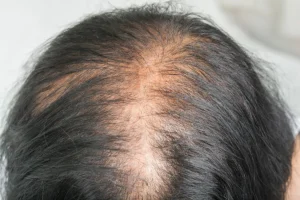
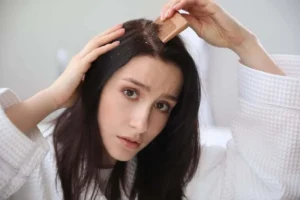
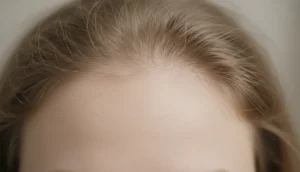
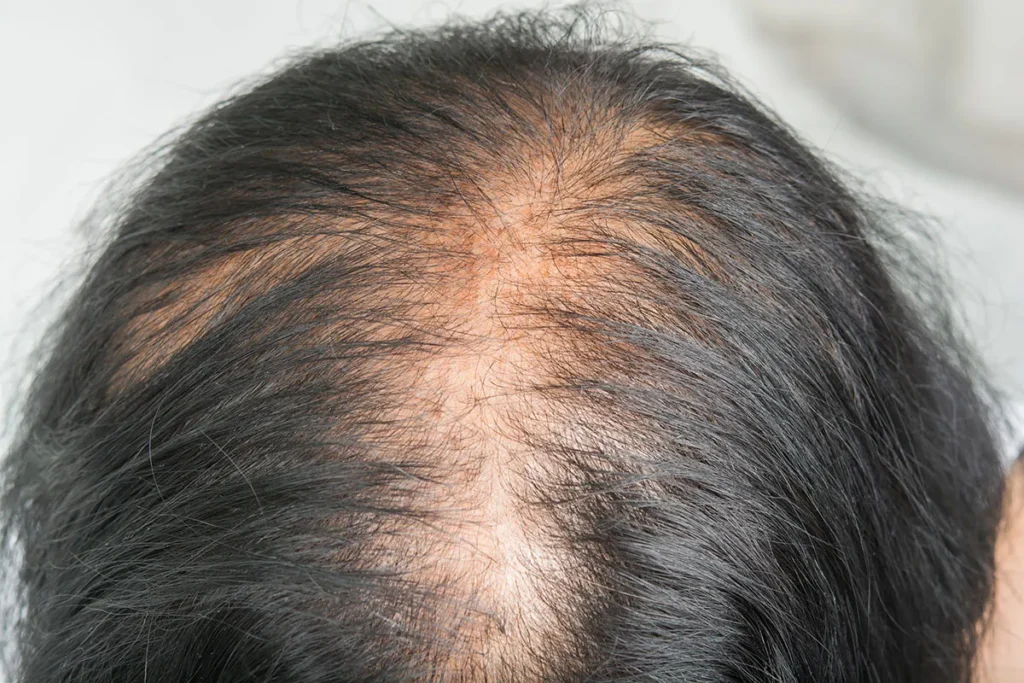
Polycystic ovary syndrome (PCOS) is a complex endocrine disorder that often manifests with irregular periods, acne, and unwanted hair growth. One of the less discussed but equally distressing symptoms is scalp hair thinning, commonly referred to as PCOS hair loss. The primary driver is an excess of androgens, especially dihydrotestosterone (DHT), which miniaturizes hair follicles and shortens the growth phase of the hair cycle.
Key factors contributing to hair loss in PCOS include:
- Elevated androgen levels that bind to hair‑follicle receptors.
- Insulin resistance, which can amplify androgen production.
- Inflammatory processes that weaken follicular health.
A simple comparison of hormonal profiles in women with and without PCOS highlights the difference:
| Parameter | Typical PCOS | Non‑PCOS |
|---|---|---|
| Testosterone (total) | Higher | Normal |
| Insulin sensitivity | Reduced | Normal |
| DHT levels | Elevated | Baseline |
Recognizing these patterns helps clinicians pinpoint the most effective interventions, whether they target hormone regulation, insulin control, or direct follicle stimulation.
Medical Approaches: Medication and Lifestyle Adjustments
Before considering surgical options, many women achieve noticeable improvement through targeted medical therapy and lifestyle changes. The cornerstone of PCOS hair loss treatment is reducing androgen activity and improving insulin sensitivity.
Hormonal Contraceptives
Combined oral contraceptives (COCs) are often prescribed to lower circulating androgens. By providing steady estrogen levels, COCs suppress ovarian androgen production, which can slow or reverse hair thinning. Look for formulations that contain anti‑androgenic progestins for added benefit.
Metformin for PCOS
Metformin, a well‑known insulin‑sensitizing drug, is frequently used to manage metformin for pcos and can indirectly reduce androgen levels. Clinical studies report that regular metformin use leads to a 20‑30% reduction in scalp hair shedding after six months.
Diet and Weight Management
A balanced pcos diet that emphasizes low‑glycemic foods, lean proteins, and healthy fats can improve insulin resistance. Weight loss of just 5‑10% of body weight often yields measurable hormonal improvements, which in turn benefit hair growth.
- Include whole grains, legumes, and plenty of vegetables.
- Avoid refined sugars and processed snacks.
- Incorporate omega‑3 rich foods such as salmon and walnuts.
Consistent exercise—both cardio and resistance training—further enhances insulin sensitivity and reduces stress hormones that may exacerbate hair loss.
Advanced Cosmetic Solutions: Hair Transplant Techniques
When medical therapy does not achieve desired density, many turn to hair restoration surgery. Modern techniques such as Follicular Unit Extraction (FUE) and Direct Hair Implantation (DHI) offer minimally invasive, permanent solutions that are especially effective for women with PCOS‑related thinning.
Follicular Unit Extraction (FUE)
FUE involves harvesting individual follicular units from a donor area—usually the back of the scalp—and implanting them into the thinning zone. The procedure leaves tiny, almost invisible scars and allows for natural‑looking results.
Direct Hair Implantation (DHI)
DHI uses a specialized pen that directly places grafts without creating prior incisions, reducing handling time and improving graft survival. This method is prized for its precision, which is valuable when addressing the diffuse pattern of PCOS hair loss.
Below is a quick comparison of the two techniques:
| Feature | FUE | DHI |
|---|---|---|
| Incision creation | Separate recipient sites | Pen creates site and implants simultaneously |
| Graft handling time | Longer | Shorter |
| Scarring | Micro‑punctures | Even less visible |
| Ideal for | Moderate to extensive loss | Fine, targeted areas |
Gold City Hair’s experienced team customizes the choice of technique based on your hair type, donor density, and aesthetic goals, ensuring optimal graft survival and natural results.
Post‑Procedure Care and Managing Expectations
Successful outcomes rely not only on the surgical skill but also on diligent after‑care. Following a hair transplant, patients should adhere to a structured regimen to maximize graft survival and promote healthy growth.
Immediate Post‑Op Guidelines
- Avoid direct sunlight and intense heat for at least two weeks.
- Sleep with the head elevated to reduce swelling.
- Use prescribed gentle shampoos and avoid vigorous rubbing.
Long‑Term Maintenance
Incorporate a pcos hair loss supportive regimen that includes:
- Continued use of anti‑androgenic medication if prescribed.
- Regular follow‑up visits to monitor graft growth.
- Maintaining a balanced diet rich in vitamins D, B‑complex, and iron.
Patience is key—most patients notice visible improvement after three to four months, with full density typically emerging around 12‑18 months. Setting realistic expectations helps maintain confidence throughout the healing journey.
Holistic Lifestyle Factors: Nutrition, Stress, and Sleep
Beyond medication and surgery, holistic lifestyle factors play a pivotal role in sustaining hair health for women with PCOS. Chronic stress elevates cortisol, which can worsen insulin resistance and androgen excess.
Stress Management Techniques
Incorporate mindfulness practices such as meditation, yoga, or deep‑breathing exercises for at least 10 minutes daily. Studies show that regular stress reduction can lower circulating DHT levels by up to 15%.
Sleep Hygiene
Aim for 7‑9 hours of quality sleep per night. Poor sleep disrupts hormonal balance, impeding the body’s ability to regulate androgens and insulin.
Targeted Nutrients
- Biotin (Vitamin B7) – supports keratin production.
- Zinc – helps regulate hormone synthesis.
- Vitamin D – linked to follicular cycling.
Integrating these habits with a pcos diet and regular medical follow‑up creates a synergistic effect that enhances both the success of any hair transplant and the overall health of existing hair.
Why Choose Gold City Hair
Gold City Hair combines over six years of expertise in hair restoration with a patient‑first philosophy. Our clinic in Turkey offers state‑of‑the‑art FUE and DHI procedures performed by certified specialists who understand the unique challenges of PCOS‑related hair loss. We provide transparent communication, personalized treatment plans, and after‑care support to ensure lasting confidence for every client.
Ready to restore your hair and confidence? Contact Gold City Hair today to schedule a personalized consultation and discover the most effective treatment pathway for your PCOS hair loss.
Take the first step toward a fuller, healthier scalp—your journey starts now.
FAQ
What causes hair loss in PCOS?
Hair loss in PCOS is mainly driven by excess androgens, especially DHT, which miniaturize hair follicles and shorten the growth phase.
How can hormonal contraceptives help with PCOS hair loss?
Combined oral contraceptives lower circulating androgens by providing steady estrogen, which suppresses ovarian androgen production.
Is metformin effective for reducing hair shedding in PCOS?
Yes, metformin improves insulin sensitivity, which can lower androgen levels and reduce hair shedding by 20‑30% after six months.
What are the differences between FUE and DHI hair transplant techniques?
FUE harvests follicles and creates separate recipient sites, while DHI uses a pen to place grafts directly without pre‑made incisions, resulting in shorter handling time and less visible scarring.
What post‑procedure care is recommended after a hair transplant for PCOS patients?
Avoid sun and heat for two weeks, sleep with head elevated, use gentle shampoos, continue any anti‑androgen medication, and follow a nutrient‑rich diet.
Can diet and lifestyle changes improve PCOS‑related hair loss?
Yes, a low‑glycemic PCOS diet, regular exercise, weight loss, and stress reduction can improve insulin sensitivity and hormone balance, aiding hair regrowth.
How long does it take to see results after a hair transplant for PCOS?
Visible improvement typically starts at 3‑4 months, with full density reaching 12‑18 months post‑procedure.