Early stage male pattern baldness is a common concern for many men in their twenties and thirties. It often begins with subtle thinning along the hairline or crown, which can feel unsettling but is usually manageable when addressed promptly. Understanding the early signals, underlying mechanisms, and the range of treatment options is essential for preserving hair density and confidence.
According to dermatological studies, up to 30% of men notice some degree of hair loss before the age of 35. This early onset can be a sign of androgenetic alopecia beginning its course, and intervening at this stage offers the best chance for successful restoration. In this article we will explore how to identify the first signs, what drives the condition, lifestyle influences, and both surgical and non‑surgical solutions that Gold City Hair provides.
By the end of the guide, you will have a clear roadmap for evaluating your own hair health, understanding why hair follicles shrink, and choosing a personalized treatment plan that aligns with your goals.
Recognizing Early Signs of Male Pattern Baldness
Spotting the initial patterns of hair loss allows you to act before extensive thinning occurs. The most common early indicators include:
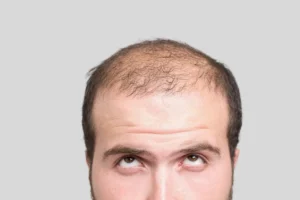
- Receding hairline at the temples, forming an “M” shape.
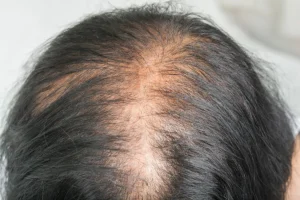
- Thinning at the crown, often described as a “horseshoe” pattern.
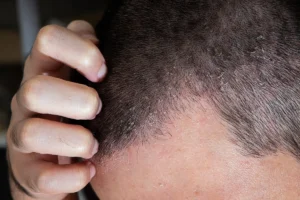
- Increased shedding during washing or brushing.
- Miniaturized hairs that appear shorter and finer.
These signs typically develop gradually over months. A useful self‑assessment is the “mirror test”: look at your hair from different angles under natural light and compare the density of the frontal, temporal, and occipital regions.
When you notice any of these changes, consider a professional scalp evaluation. Early diagnosis can differentiate between androgenetic alopecia and other conditions such as alopecia areata or telogen effluvium, ensuring the right treatment pathway.
Understanding the Causes: Genetics and Hormones
The primary driver of early stage male pattern baldness is a combination of genetic predisposition and hormonal activity, particularly the influence of dihydrotestosterone (DHT). DHT binds to androgen receptors in hair follicles, shortening the anagen (growth) phase and causing follicles to shrink—a process known as follicular miniaturization.
Key genetic factors include:
| Gene | Role in Hair Loss |
|---|---|
| AR (Androgen Receptor) | Increases follicle sensitivity to DHT |
| SRY | Associated with early onset in males |
| EDA2R | Modulates hair cycle regulation |
While you cannot change your DNA, understanding its impact helps you anticipate the progression and select interventions that block DHT or stimulate follicle health. Medications such as finasteride and topical minoxidil work by reducing DHT levels or enhancing blood flow to the scalp, slowing the miniaturization process.
It is also important to note that hormonal fluctuations, even subtle ones, can accelerate thinning. Conditions like thyroid imbalance or elevated cortisol from chronic stress may exacerbate the pattern, making comprehensive health assessment a valuable part of any treatment plan.
Lifestyle Factors and Hair Thinning
Beyond genetics, everyday habits play a significant role in how quickly early stage male pattern baldness progresses. Several lifestyle elements can either aggravate or mitigate hair thinning:
- Nutrition: Diets lacking iron, zinc, biotin, and protein can weaken hair shafts. Incorporating lean meats, legumes, nuts, and leafy greens supports follicle nutrition.
- Stress Management: Chronic stress raises cortisol, which may trigger telogen effluvium, compounding androgenetic alopecia.
- Hair Care Practices: Excessive heat styling, tight hairstyles, and harsh chemicals can cause traction alopecia, adding to overall thinning.
- Smoking and Alcohol: Both reduce microcirculation to the scalp, limiting oxygen and nutrient delivery.
Adopting a balanced lifestyle can improve scalp health and enhance the efficacy of medical treatments. For example, regular aerobic exercise boosts circulation, while a Mediterranean‑style diet rich in omega‑3 fatty acids has been linked to slower hair loss progression.
When evaluating your routine, consider a simple checklist:
- Do you consume at least 1.5 grams of protein per kilogram of body weight daily?
- Are you managing stress through meditation, yoga, or hobbies?
- Is your hair care routine gentle, avoiding tight pulls and high heat?
- Do you limit smoking and excessive alcohol intake?
Addressing these factors creates a supportive environment for any subsequent surgical or pharmacologic intervention.
Medical Treatments: FUE, DHI, and Medication Options
When early stage male pattern baldness is confirmed, a range of medical solutions can halt or reverse thinning. The most effective approaches combine surgical precision with proven pharmacology.
Follicular Unit Extraction (FUE)
FUE involves harvesting individual follicular units from a donor area—typically the back of the scalp—and implanting them into thinning zones. This method offers:
- Minimal scarring with tiny dot‑like punctures.
- Rapid recovery, often within 7‑10 days.
- Natural‑looking density when performed by experienced surgeons.
Gold City Hair utilizes the latest FUE instruments, ensuring graft survival rates above 95%.
Direct Hair Implantation (DHI)
DHI is an evolution of FUE where grafts are loaded into a specialized implanter pen and placed directly without prior incisions. Benefits include:
- Precise angle and depth control for optimal hair direction.
- Reduced handling time, preserving follicle vitality.
- Higher graft retention, especially useful in early‑stage cases where donor hair is limited.
Medication: Finasteride and Minoxidil
For men who prefer non‑surgical routes, oral finasteride (1 mg daily) reduces DHT production, while topical minoxidil (2 % or 5 %) stimulates blood flow and prolongs the growth phase. Clinical trials show that combined use can achieve up to 30 % regrowth in early stage patients within 12 months.
Choosing the right combination depends on your hair loss pattern, budget, and personal preferences. A thorough consultation with a certified specialist at Gold City Hair will tailor a plan that maximizes results while minimizing downtime.
Non‑Surgical Strategies: Styling, Scalp Care, and Supplements
Even when opting for surgical treatment, many men benefit from complementary non‑surgical tactics that enhance appearance and support follicle health.
Strategic Styling
Choosing the right haircut can camouflage thinning zones. Layered cuts, textured fringe, or a short buzz cut can create the illusion of fuller hair. Avoid overly long styles that pull weight from the crown.
Scalp Microneedling
Microneedling devices create micro‑injuries that stimulate collagen production and improve the absorption of topical agents like minoxidil. Sessions performed once weekly for 12‑16 weeks have shown measurable increases in hair density.
Nutritional Supplements
Supplements containing biotin, saw palmetto, and marine collagen are popular adjuncts. While not a cure, they address micronutrient gaps that can impede hair growth.
Below is a quick reference guide for daily supplement dosages:
| Supplement | Typical Daily Dose | Key Benefit |
|---|---|---|
| Biotin | 5,000 µg | Supports keratin production |
| Saw Palmetto Extract | 320 mg | May inhibit DHT conversion |
| Marine Collagen | 2 g | Improves scalp elasticity |
Integrating these practices with professional care creates a holistic approach that maximizes the chance of maintaining a youthful hairline.
Why Choose Gold City Hair
Gold City Hair has been delivering personalized hair restoration solutions in Turkey since 2017. Our clinic combines cutting‑edge FUE and DHI technologies with a transparent, patient‑focused approach. Every treatment plan is tailored to the individual’s pattern of early stage male pattern baldness, ensuring optimal graft placement and natural results. With a team of internationally trained surgeons and a commitment to safety, we provide confidence‑building outcomes that align with your lifestyle and goals.
Ready to take control of your hair future? Contact Gold City Hair today for a confidential consultation and discover the most effective treatment plan for early stage male pattern baldness.
Regain confidence, restore your hairline, and step forward with renewed self‑esteem.
FAQ
What are the first signs of early stage male pattern baldness?
Early signs include a receding hairline at the temples, thinning at the crown, increased shedding, and miniaturized hairs.
How do genetics and hormones cause early hair loss?
Genetic predisposition makes hair follicles sensitive to DHT, which shortens the growth phase and leads to miniaturization.
Can lifestyle changes slow down early stage baldness?
Yes, proper nutrition, stress management, gentle hair care, and avoiding smoking/alcohol can help slow progression.
What are the differences between FUE and DHI hair transplant methods?
FUE extracts individual grafts and implants them after making incisions, while DHI loads grafts into a pen and places them directly without pre‑made incisions.
Are finasteride and minoxidil effective for early stage baldness?
Yes, finasteride reduces DHT production while minoxidil stimulates blood flow; together they can achieve up to 30% regrowth in 12 months.
What non‑surgical options can complement a hair transplant?
Styling tricks, scalp microneedling, and supplements like biotin, saw palmetto, and marine collagen can enhance results.