Understanding how to stop hair loss in women begins with recognizing the many factors that contribute to thinning hair and baldness. Whether it’s hormonal shifts, genetic predisposition, or lifestyle influences, the journey to fuller hair starts with knowledge.
Every year, millions of women experience noticeable hair shedding, and studies show that up to 40% of women will notice some degree of hair thinning by age 50. This common concern can affect confidence, professional life, and overall well‑being.
In this article we explore the root causes of female hair loss, practical lifestyle changes, medical treatments, and advanced restorative options. By the end, you’ll have a clear roadmap of steps you can take today to protect your hair and promote new growth.
Understanding the Causes of Female Hair Loss
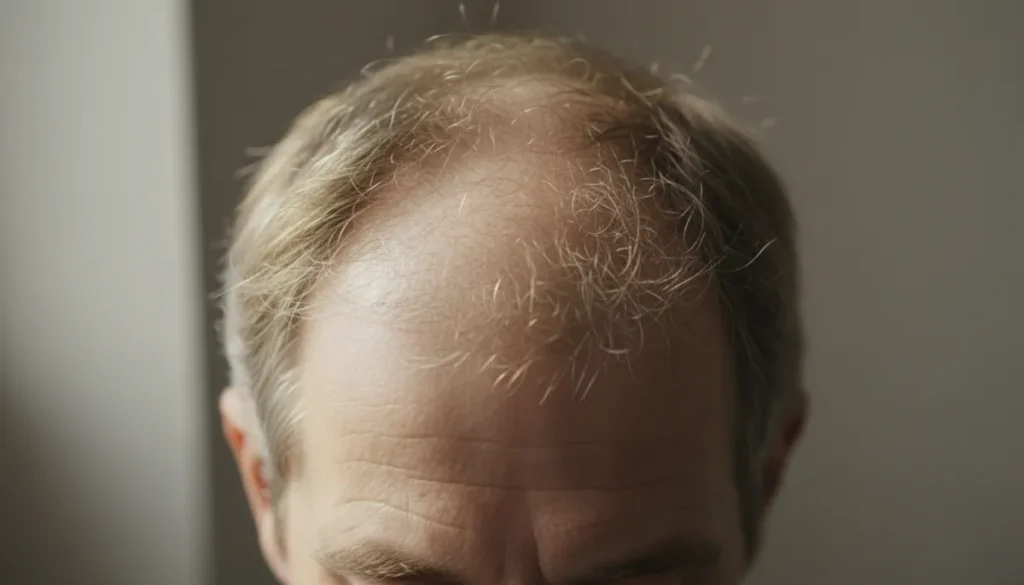
Female hair loss is not a single condition but a collection of patterns and triggers. The most prevalent forms include:
- Androgenetic alopecia – often called female pattern baldness.
- Telogen effluvium – a temporary shedding after stress or illness.
- Alopecia areata – an autoimmune condition causing patchy loss.
- Hormonal changes – pregnancy, menopause, thyroid disorders.
- Nutritional deficiencies – lack of iron, zinc, or biotin.
Identifying the underlying cause is essential for selecting the right treatment. Below is a quick comparison of the most common types.
| Type | Typical Pattern | Primary Triggers | Best Initial Approach |
|---|---|---|---|
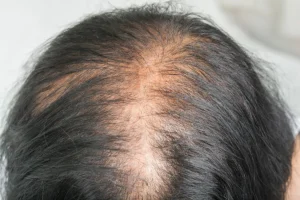
| Androgenetic Alopecia | Diffuse thinning over crown, widening part | Genetics, DHT sensitivity | Topical minoxidil, hormonal evaluation |
| Telogen Effluvium | Shedding across scalp, noticeable hair loss | Stress, illness, rapid weight loss | Address trigger, improve nutrition |
| Alopecia Areata | Round, smooth bald patches | Autoimmune response | Corticosteroid therapy, immunomodulators |
By recognizing these patterns, you can better decide which interventions will be most effective in your personal journey to stop hair loss in women.
Nutrition and Lifestyle Adjustments
Diet plays a pivotal role in hair health. Consuming a balanced mix of proteins, healthy fats, and micronutrients can strengthen follicles and reduce shedding. Below are key nutrients and food sources that support hair growth.
- Protein – lean meats, legumes, quinoa.
- Iron – spinach, lentils, red meat.
- Zinc – pumpkin seeds, oysters, chickpeas.
- Biotin (Vitamin B7) – eggs, nuts, sweet potatoes.
- Omega‑3 fatty acids – salmon, chia seeds, walnuts.
In addition to diet, lifestyle habits such as regular exercise, stress management, and adequate sleep contribute to hormonal balance and circulation to the scalp.
| Nutrient | Daily Recommended Amount | Top Food Sources | Impact on Hair |
|---|---|---|---|
| Iron | 18 mg (women 19‑50) | Spinach, lentils, beef | Prevents iron‑deficiency alopecia |
| Biotin | 30 µg | Egg yolk, almonds, sweet potatoes | Supports keratin production |
| Omega‑3 | 1.1 g | Salmon, chia seeds, walnuts | Reduces inflammation, improves scalp health |
Adopting these nutritional habits is a foundational step in learning how to stop hair loss in women without relying solely on medication.
Topical and Medical Treatments
When lifestyle changes are not enough, medical options can accelerate results. The most widely studied and FDA‑approved treatments include:
- Minoxidil – a topical solution that prolongs the growth phase of hair follicles.
- Low‑dose Finasteride – used off‑label for women with androgenetic alopecia, under physician supervision.
- Anti‑DHT shampoos – contain ketoconazole or saw palmetto to reduce scalp DHT.
- Hair growth supplements – contain a blend of biotin, zinc, and marine collagen.
- Platelet‑Rich Plasma (PRP) therapy – injects concentrated platelets to stimulate follicle activity.
Choosing the right regimen depends on the diagnosis, severity, and personal health profile. Below is a concise comparison of common medical options.
| Treatment | Mechanism | Typical Use Duration | Possible Side Effects |
|---|---|---|---|
| Minoxidil 5% | Vasodilation, follicle stimulation | 4‑6 months for visible results | Scalp irritation, unwanted facial hair |
| Finasteride (off‑label) | DHT inhibition | 6‑12 months | Potential hormonal changes, rare mood effects |
| PRP Therapy | Growth factor release | 3‑4 sessions, 6‑12 months maintenance | Mild soreness, temporary swelling |
These options, when combined with proper scalp care, form a solid answer to the question of how to stop hair loss in women using clinically proven methods.
Advanced Restorative Options
For women with significant thinning or pattern baldness, surgical and high‑tech solutions can provide lasting density. The most effective procedures offered by specialist clinics include:
- Follicular Unit Extraction (FUE) – individual follicles are harvested and transplanted to balding areas.
- Direct Hair Implantation (DHI) – a refined FUE technique using a pen‑like device for precise placement.
- Scalp Micropigmentation – creates the illusion of fuller hair through tiny pigment deposits.
- Low‑Level Laser Therapy (LLLT) – stimulates cellular activity in the scalp.
These procedures are performed by experienced surgeons and can be combined with medical therapy for optimal outcomes.
| Procedure | Ideal Candidates | Recovery Time | Long‑Term Results |
|---|---|---|---|
| FUE | Moderate‑to‑severe thinning, stable donor area | 7‑10 days for scalp healing | Permanent, natural‑looking growth |
| DHI | Patients seeking higher graft density | 5‑7 days | Precise angle, higher survival rate |
| LLLT | Early‑stage thinning, adjunct therapy | None (non‑invasive) | Gradual thickening over months |
When you ask how to stop hair loss in women with advanced techniques, these options represent the cutting edge of restorative care.
Daily Scalp Care and Prevention Tips
Consistent scalp hygiene and gentle styling can prevent further damage and support ongoing growth. Simple habits include:
- Use a sulfate‑free, mild shampoo and conditioner.
- Avoid tight hairstyles that cause traction alopecia.
- Limit heat styling; opt for air‑dry when possible.
- Massage the scalp for 5 minutes daily to improve circulation.
- Protect hair from harsh UV exposure with hats or UV‑filter sprays.
These everyday actions complement medical treatments and create a holistic plan for how to stop hair loss in women without invasive procedures.
Why Choose Gold City Hair for Female Hair Restoration
At Gold City Hair, we combine decades of expertise with the latest FUE and DHI technologies to deliver personalized hair restoration solutions. Since 2017, our clinic in Turkey has helped countless women regain confidence through transparent communication, customized treatment plans, and a commitment to safety. Our team of certified surgeons and specialists ensures each patient receives care that aligns with her unique hair loss pattern and aesthetic goals.
Ready to take the first step toward fuller, healthier hair? Contact Gold City Hair today to schedule a confidential consultation and discover the best plan for you.
FAQ
What are the most common causes of hair loss in women?
The main causes include androgenetic alopecia, telogen effluvium, alopecia areata, hormonal changes, and nutritional deficiencies.
Which nutrients are essential for preventing hair loss?
Key nutrients include protein, iron, zinc, biotin, and omega‑3 fatty acids.
How does minoxidil work for female hair loss?
Minoxidil is a topical vasodilator that prolongs the growth phase of hair follicles, encouraging thicker hair.
What are the differences between FUE and DHI hair transplant techniques?
Both are follicular extraction methods, but DHI uses a pen‑like device for direct implantation, offering higher graft density and precision.
Can lifestyle changes alone stop hair loss in women?
Lifestyle improvements can significantly reduce shedding and support regrowth, but severe cases often need medical or surgical interventions.
What is PRP therapy and is it effective for women?
PRP therapy injects platelet‑rich plasma into the scalp to stimulate follicle activity and has shown promising results for many women.
How often should I massage my scalp for hair growth?
A gentle 5‑minute scalp massage daily is recommended to boost circulation and stimulate follicles.