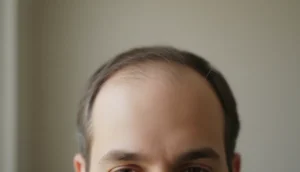
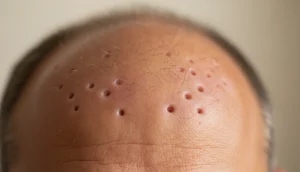
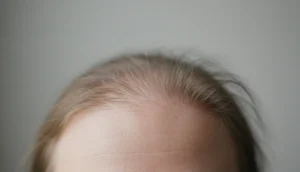
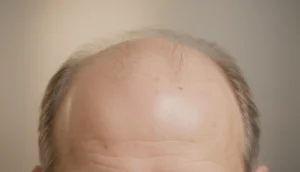
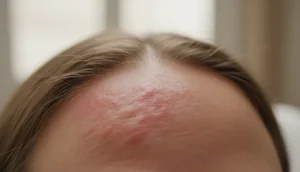
Many people notice a gradual receding hairline temples as one of the first visible signs of hair loss. This specific pattern often begins in the late teens or early twenties and can affect both men and women, influencing confidence and personal style. Understanding why the temples are vulnerable, recognizing early warning signs, and knowing the full range of treatment options are essential steps toward restoring a natural, balanced hairline.
Statistically, more than 30 % of individuals experience noticeable thinning at the temples before age 35, making it one of the most common forms of early hair loss. Whether driven by genetics, hormonal shifts, or lifestyle factors, the condition is treatable with modern medical and surgical techniques. This article will explore the underlying causes, diagnostic clues, non‑surgical remedies, surgical options such as FUE and DHI, and long‑term maintenance strategies so you can make an informed decision about your hair health.
By the end of this guide, you will be able to identify the specific type of temple alopecia you face, evaluate the most suitable interventions, and understand what to expect from each treatment pathway.
What Causes Receding at the Temples?
The temples are a common entry point for hair loss because the follicles in this area are genetically predisposed to be more sensitive to dihydrotestosterone (DHT). Several factors can accelerate the process:
- Genetic predisposition: Family history of male‑pattern or female‑pattern baldness often includes early temple recession.
- Hormonal influence: Elevated DHT levels shrink follicles, a condition known as androgen‑induced miniaturization.
- Stress and lifestyle: Chronic stress, poor sleep, and an unbalanced diet can trigger telogen effluvium, which may manifest first at the temples.
- Trauma or tight hairstyles: Repeated tension from pulling or braiding can cause traction alopecia, especially along the hairline.
- Medical conditions: Thyroid disorders, iron deficiency, and autoimmune diseases can exacerbate thinning at the hairline.
Below is a comparison of how temple recession typically differs between men and women:
| Aspect | Men | Women |
|---|---|---|
| Typical onset age | Late teens‑early 30s | Late 20s‑mid 40s |
| Pattern | Triangular recession forming an “M” shape | Diffuse thinning, often bilateral |
| Primary hormone involved | DHT | Estrogen‑to‑androgen ratio shift |
| Response to medication | Finasteride often effective | Minoxidil frequently recommended |
How to Recognize Early Signs of Temple Hair Loss
Detecting a receding hairline early offers the best chance to halt progression and preserve density. Look for the following indicators during regular self‑exams or when styling your hair:
- Visible widening of the side part or increased scalp visibility near the temples.
- Noticeable thinning when pulling hair back into a ponytail or bun.
- Changes in the shape of the frontal hairline, such as an “M” formation.
- Increased shedding of short hairs during washing or brushing.
- Feel of a smoother scalp texture when running fingertips along the temple area.
It can be helpful to compare current photographs with older images to assess subtle shifts. Below is an age‑based guide that illustrates typical progression for an average individual:
| Age Range | Typical Temple Appearance |
|---|---|
| 15‑20 | Full, even hairline; no recession. |
| 21‑30 | Early signs of thinning; slight widening of side parts. |
| 31‑40 | Clear recession; triangular pattern becoming visible. |
| 41‑50 | Advanced recession; possible need for medical or surgical intervention. |
Non‑Surgical Options for Temple Hair Restoration
Before considering surgery, many patients explore medical therapies that can stabilize or even reverse thinning at the temples. The most widely studied options include:
Topical Treatments
- Minoxidil (2 % or 5 %): Increases blood flow to follicles and prolongs the growth phase. Often the first line for both men and women.
- Corticosteroid solutions: Used in cases of inflammatory alopecia affecting the hairline.
Oral Medications
- Finasteride (1 mg): Blocks conversion of testosterone to DHT; most effective for male‑pattern temple recession.
- Spironolactone: Anti‑androgen used off‑label for women with hormone‑related hairline thinning.
Procedural Therapies
- Platelet‑Rich Plasma (PRP): Concentrated growth factors stimulate follicular activity.
- Low‑Level Laser Therapy (LLLT): Red light wavelengths improve cellular metabolism in the scalp.
- Microneedling: Creates micro‑injuries that trigger collagen production and enhance medication absorption.
Each option carries its own set of benefits and considerations. The table below summarizes key points to help you compare:
| Treatment | Mechanism | Typical Results Timeline | Common Side Effects |
|---|---|---|---|
| Minoxidil | Vasodilation & follicle stimulation | 3‑6 months | Scalp irritation, unwanted facial hair |
| Finasteride | DHT inhibition | 6‑12 months | Sexual dysfunction (rare), mood changes |
| PRP | Growth factor release | 2‑4 months per session | Mild swelling, bruising |
| LLLT | Photobiomodulation | 4‑6 months | None reported |
Surgical Solutions: FUE and DHI for Temple Recession
When non‑surgical methods are insufficient, follicular unit extraction (FUE) and direct hair implantation (DHI) offer permanent restoration of the temple area. Both techniques involve transferring healthy donor follicles to the thinning zones, but they differ in execution and recovery profile.
Follicular Unit Extraction (FUE)
FUE removes individual follicular units from a donor region—typically the back of the scalp—using a micro‑punch tool. The grafts are then meticulously placed into pre‑made recipient sites at the temples.
Direct Hair Implantation (DHI)
DHI utilizes a specialized implanter pen that allows for simultaneous creation of the channel and implantation of the graft, reducing handling time and potentially improving graft survival.
Key steps common to both procedures include:
- Initial consultation and scalp analysis.
- Design of the new hairline based on facial geometry.
- Extraction of donor follicles (FUE) or loading into the DHI pen.
- Creation of micro‑incisions at the temple recession zone.
- Implantation of grafts with precise angle and direction.
- Post‑operative care and follow‑up visits.
The following table outlines the main advantages of each method:
| Feature | FUE | DHI |
|---|---|---|
| Graft handling time | Longer (requires separate channel creation) | Shorter (simultaneous channel & implantation) |
| Scarring | Tiny dot scars, less visible | Even less noticeable, no linear scar |
| Precision of angle | High, but dependent on surgeon skill | Very high due to implanter control |
| Typical session length | 6‑8 hours for moderate temple coverage | 5‑7 hours for similar coverage |
Both FUE and DHI have demonstrated natural‑looking results when performed by experienced clinicians, with most patients seeing noticeable density improvement within 9‑12 months after the procedure.
Maintaining Results and Long‑Term Care
Successful restoration of the temple hairline is only the beginning; ongoing care is essential to preserve graft survival and prevent new recession. Consider the following strategies for lasting results:
- Follow‑up appointments: Regular check‑ins with your surgeon allow early detection of any new thinning.
- Topical maintenance: Continued use of minoxidil can support graft health, especially in the first year.
- Nutrition: Adequate protein, iron, zinc, and omega‑3 fatty acids nourish hair follicles.
- Avoid harsh styling: Limit tight ponytails, excessive heat, and chemical treatments that stress the temple area.
- Stress management: Incorporate relaxation techniques, adequate sleep, and regular exercise to reduce cortisol‑related hair loss.
Additionally, emerging adjunct therapies such as scalp micro‑needling combined with growth‑factor serums can further enhance density and thickness. Maintaining a healthy scalp environment helps ensure that the transplanted follicles continue to thrive for decades.
Why Choose Gold City Hair
At Gold City Hair, we combine over six years of expertise in hair restoration with a patient‑first philosophy. Our clinic in Turkey offers state‑of‑the‑art FUE and DHI techniques performed by board‑certified surgeons who tailor every plan to the individual’s facial structure and hair loss pattern. Transparent communication, personalized after‑care, and a commitment to natural‑looking results set us apart as a trusted partner on your journey to regain confidence.
Ready to restore your temple hairline and rediscover a youthful appearance? Contact Gold City Hair today to schedule a private consultation and explore the best treatment pathway for you.
FAQ
What causes receding hairline temples?
Temple recession is mainly driven by genetic sensitivity to DHT, hormonal shifts, stress, traction, and certain medical conditions.
How can I spot early signs of temple hair loss?
Look for widening side parts, increased scalp visibility, an “M” shaped hairline, more shedding, and a smoother scalp texture at the temples.
What non‑surgical treatments are effective for temple hair loss?
Topical minoxidil, oral finasteride, PRP therapy, low‑level laser therapy, and microneedling are commonly used non‑surgical options.
What are the differences between FUE and DHI hair transplants for temple recession?
FUE extracts follicles with a micro‑punch and requires separate channel creation, while DHI uses an implanter pen for simultaneous channel making and graft placement, offering slightly higher precision and less handling time.
How long does it take to see results after a temple hair transplant?
Most patients notice visible density improvement between 9 and 12 months post‑procedure, though early signs may appear as early as 3‑6 months.
What long‑term care is recommended to maintain temple hair restoration results?
Regular follow‑ups, continued minoxidil use, balanced nutrition, gentle styling, and stress management are key for lasting results.