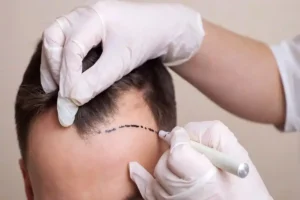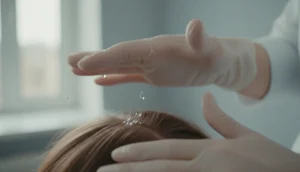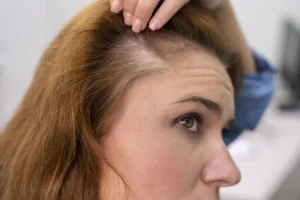
Many people wonder can traction alopecia be reversed after years of tight hairstyles, and the answer depends on several key factors. Traction alopecia, also known as tension alopecia, results from continuous pulling on the hair shaft, leading to follicular damage that can range from mild thinning to permanent loss. Understanding the underlying mechanisms helps you decide whether a natural recovery is possible or if surgical restoration is required.
In this article we will explore the causes of traction alopecia, the variables that influence its reversibility, practical steps you can take today, and the advanced hair‑restoration options available at Gold City Hair. Whether you’re dealing with early‑stage thinning or more extensive bald patches, the information here will guide you toward the most effective solution for regaining confidence and a healthy scalp.
Statistics from dermatology clinics show that up to 30 % of patients who modify their styling habits see noticeable regrowth within six months, highlighting the importance of early intervention. However, the timeline and success rate vary widely, making a personalized approach essential.
Understanding Traction Alopecia: Causes and Symptoms
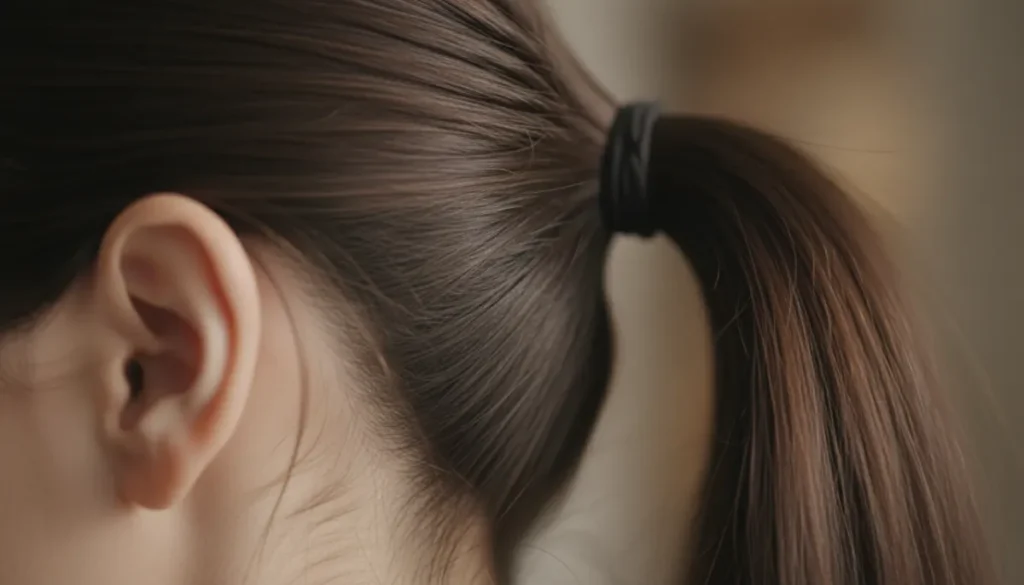
Traction alopecia develops when hair is subjected to repeated tension, often from hairstyles such as tight ponytails, braids, cornrows, or extensions. The constant pulling stretches the hair follicles, leading to inflammation, scarring, and eventual follicular mini‑aturization. Common symptoms include:
- Gradual thinning along the hairline or temples
- Redness or tenderness in the affected area
- Visible breakage at the root
- Permanent bald patches if left untreated
Diagnosing traction alopecia typically involves a visual exam by a dermatologist, sometimes supplemented with dermoscopy to assess follicular damage. Early detection is crucial because the longer the tension persists, the higher the risk of irreversible scarring.
Factors Influencing Reversibility
When evaluating can traction alopecia be reversed, three main factors determine the likelihood of natural regrowth:
| Factor | Impact on Reversibility | Typical Timeline for Recovery |
|---|---|---|
| Duration of Tension | Short‑term tension (weeks‑months) usually leads to reversible thinning. | 3‑6 months after eliminating the stressor. |
| Severity of Follicle Damage | Moderate inflammation may heal; severe scarring often requires surgery. | 6‑12 months for moderate cases. |
| Overall Scalp Health | Good nutrition and circulation promote faster regrowth. | Variable, improves with supportive care. |
Age also plays a role; younger individuals generally have a higher regenerative capacity. Additionally, underlying conditions such as iron deficiency or hormonal imbalances can impede recovery, so a comprehensive health assessment is advisable.
Non‑Surgical Strategies to Reverse Traction Alopecia
For many patients, especially those in the early stages, non‑surgical interventions can effectively reverse traction alopecia. Below are evidence‑based approaches that address the root causes and support follicular regeneration.
1. Adjust Styling Practices
- Switch to low‑tension hairstyles (loose braids, loose ponytails).
- Avoid tight hair accessories and frequent pulling.
- Give the scalp at least two days per week without any styling stress.
2. Topical and Medicinal Treatments
Topical agents such as minoxidil, corticosteroid creams, and platelet‑rich plasma (PRP) can stimulate blood flow and reduce inflammation. A dermatologist may prescribe a short course of topical steroids to calm active inflammation before introducing growth‑promoting agents.
3. Nutritional Support
Key nutrients that bolster hair health include:
- Biotin (Vitamin B7) – 30 µg daily
- Iron – 18 mg daily for women, 8 mg for men
- Omega‑3 fatty acids – 1–2 g of EPA/DHA
- Protein – 0.8 g per kilogram of body weight
Consulting a nutritionist ensures you meet these needs without excess, which can also affect hormonal balance.
4. Scalp Massage and Light Therapy
Gentle scalp massage for five minutes twice daily enhances microcirculation, while low‑level laser therapy (LLLT) has been shown to increase hair density in controlled studies. Both methods are safe adjuncts to a comprehensive care plan.
When Surgical Intervention Is Needed
If the question can traction alopecia be reversed remains unanswered after diligent non‑surgical effort, surgical hair restoration may be the most reliable path. Modern techniques such as Follicular Unit Extraction (FUE) and Direct Hair Implantation (DHI) provide permanent solutions by relocating healthy follicles from a donor area to the balding zones.
Candidate Evaluation
Eligibility depends on:
- Availability of sufficient donor hair (typically the back of the scalp).
- Absence of active inflammation in the recipient area.
- Realistic expectations regarding density and coverage.
Procedure Overview
| Technique | Temel Özellikler | Typical Recovery Time |
|---|---|---|
| FUE | Individual follicular units are extracted and implanted. | 7‑10 days for minor swelling, full results in 9‑12 months. |
| DHI | Implants are loaded into a specialized pen for precise placement. | Similar to FUE, with slightly higher graft survival rates. |
Gold City Hair’s experienced team follows a meticulous protocol to ensure graft viability, from donor extraction to post‑operative care. Patients typically experience natural‑looking growth within six months, with continued thickening up to a year.
Preventing Future Hair Loss: Long‑Term Maintenance
Whether you achieve reversal through natural means or surgery, maintaining a healthy scalp is essential to prevent recurrence. Below are long‑term strategies that protect against future traction‑related damage.
Protective Styling Guidelines
- Limit tight hairstyles to occasional use.
- Rotate parting locations to reduce localized stress.
- Choose hair accessories made of soft, non‑abrasive materials.
Regular Scalp Care
Incorporate a gentle sulfate‑free shampoo and a moisturizing conditioner to keep the scalp barrier intact. Periodic clarifying treatments remove product buildup that can impede follicular breathing.
Periodic Professional Check‑Ups
Scheduling an annual visit with a dermatologist or a hair‑restoration specialist helps monitor scalp health, detect early signs of recurrence, and adjust care plans as needed.
Why Choose Gold City Hair
Gold City Hair has been delivering personalized hair‑restoration solutions in Turkey since 2017. Our expertise spans FUE, DHI, and eyebrow or beard transplants, ensuring each patient receives a treatment plan tailored to their unique hair loss pattern. Transparent communication, state‑of‑the‑art facilities, and a commitment to natural‑looking results set us apart as a trusted partner on your journey to restored confidence.
Ready to take the next step toward reversing traction alopecia? Contact Gold City Hair today for a personalized consultation and discover how our advanced techniques can help you regain a full, healthy head of hair.
Book your appointment now and start your transformation with a team that puts your confidence first.
SSS
Can traction alopecia be reversed?
Yes, early‑stage traction alopecia can often be reversed with proper care, while severe scarring may require surgical intervention.
What factors affect the reversibility of traction alopecia?
Duration of tension, severity of follicle damage, and overall scalp health are the main factors.
What non‑surgical treatments help regrow hair lost to traction alopecia?
Adjusting styling, topical agents like minoxidil, nutritional supplementation, scalp massage, and low‑level laser therapy are effective non‑surgical options.
When is surgical hair transplantation recommended for traction alopecia?
Surgery is advised when there is permanent scarring or when non‑surgical methods fail to produce noticeable regrowth after 6‑12 months.
How long does it take to see hair regrowth after stopping tension hairstyles?
Most people notice initial regrowth within 3‑6 months, with fuller results by 9‑12 months.
What long‑term maintenance steps prevent recurrence of traction alopecia?
Adopt protective styling, maintain scalp health with gentle products, and schedule regular professional check‑ups.