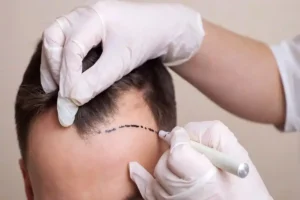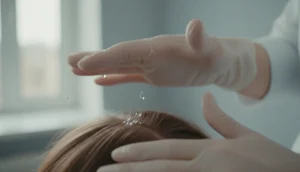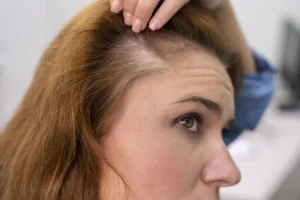
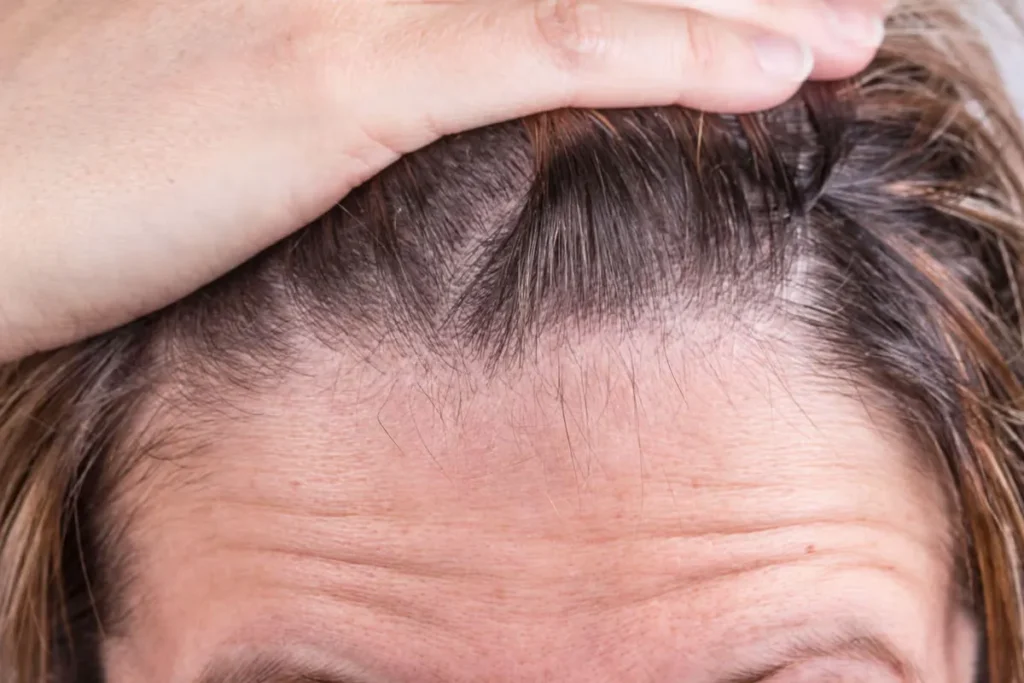
Millions of men and women worldwide suffer from hair loss. This can really hurt their confidence and quality of life. Crown hair loss is more common than you might think. And when caught early, it’s often treatable and even reversible.
Understanding the causes and exploring evidence-based treatment options is key. This is the first step toward restoring hair density and regaining your confidence. With professional medical evaluation and personalized treatment plans, you can tackle thin hair and reach your hair restoration goals.
Önemli Çıkarımlar
Early treatment can reverse hair loss
Personalized plans address individual needs
Advanced techniques ensure natural results
Restoring hair density boosts confidence
Professional evaluation is key for effective treatment
Understanding Crown Thinning: Causes and Diagnosis
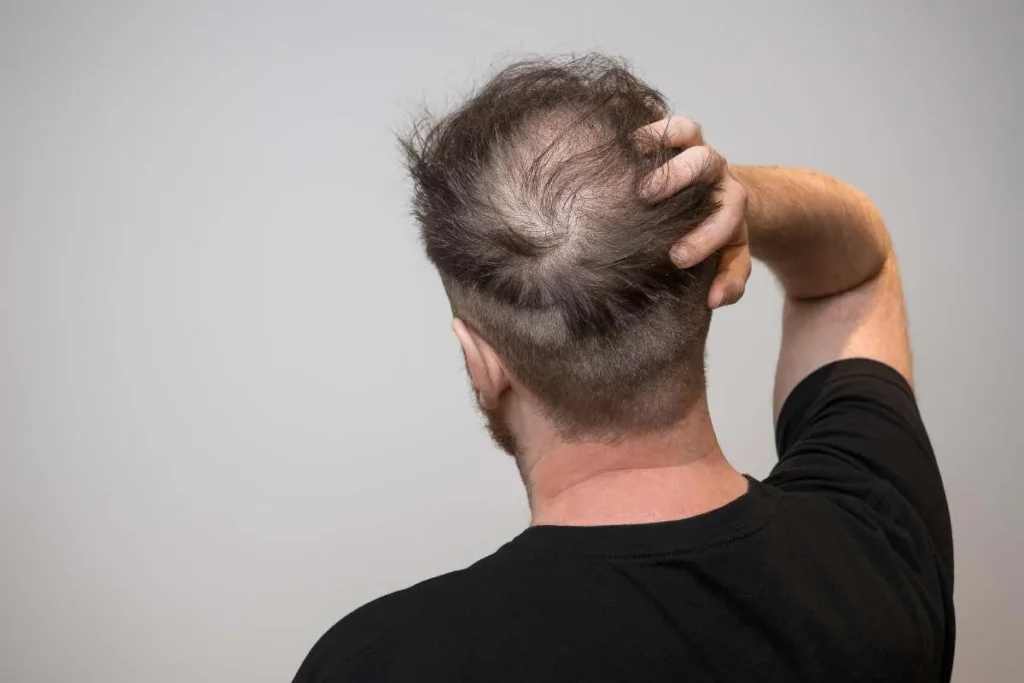
Crown thinning is a hair loss condition at the top of the head. It’s caused by genetics, hormones, and the environment. Knowing these causes helps in finding the right treatment.
The Science Behind DHT and Hair Follicle Miniaturization
Dihydrotestosterone (DHT) is a strong form of testosterone. It makes hair follicles weak. This leads to thinner, shorter hairs. It’s a main reason for crown thinning.
Regaining your confidence begins with knowing why you’re losing hair. Fighting DHT is a key step in restoring your hair.
Yaygın Tetikleyiciler ve Risk Faktörleri
Many things can cause crown thinning, including:
Genetics: Family history affects your risk.
Aging: Older people are more likely to lose hair.
Stress: Long-term stress can lead to hair loss.
Poor Diet: Not eating well can harm your hair.
When to Seek Professional Evaluation
Getting a professional evaluation is key. It helps find the cause of crown thinning and plan treatment. A doctor or dermatologist can give a detailed check-up and suggest treatments.
Understanding crown thinning helps manage hair loss. It’s a step towards feeling confident again.
Effective Solutions for Crown Thinning
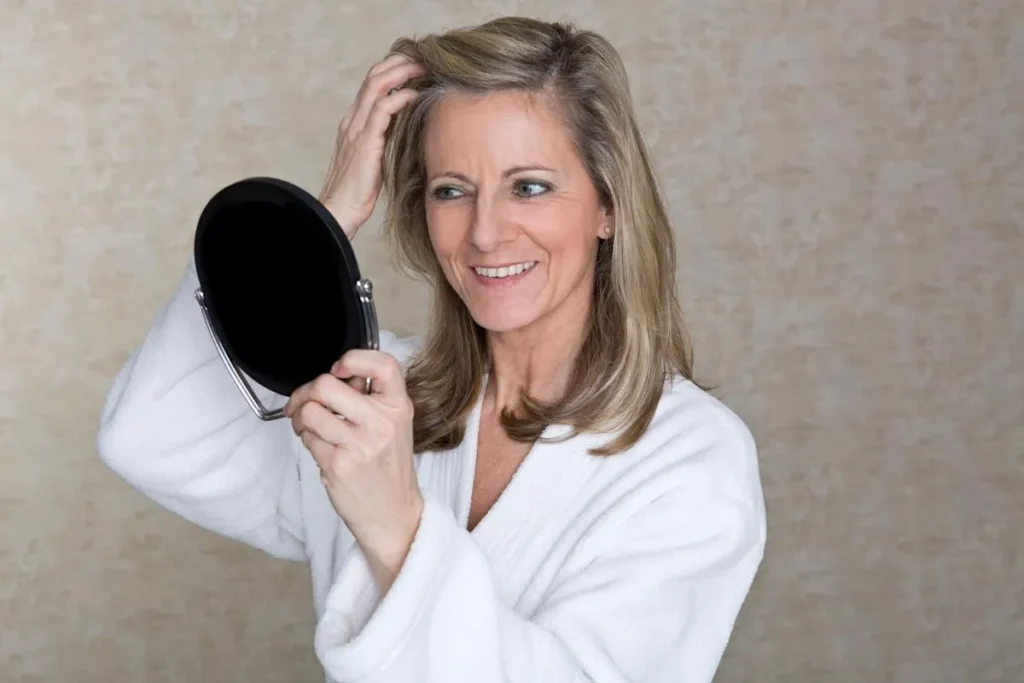
Dealing with crown thinning needs a mix of medical treatments, styling techniques, and the right hair products. Knowing your options helps you choose the best hair care.
Medical Treatments: Minoxidil, Finasteride, and PRP
Medical treatments are often the first step against crown thinning. Minoxidil and Finasteride are common choices. Minoxidil boosts hair growth and extends the growth phase. Finasteride stops DHT, a hormone that causes hair loss.
PRP (Platelet-rich Plasma) Therapy is a new treatment. It uses the patient’s own blood to inject growth factors into the scalp. These factors help grow new hair.
Styling Techniques to Conceal Thinning Areas
Styling can also hide thinning spots. Backcombing and using rollers add volume and texture. This makes hair look thicker.
Choosing the right haircut is key. A layered cut spreads hair evenly. This creates the illusion of thicker hair.
Products and Tools for Volume Enhancement
The right hair products and tools can greatly help. Volumizing shampoos and conditioners add volume. Styling products also play a role. Tools like round brushes and volumizing combs help style hair to look thicker.
By using these solutions together, you can manage crown thinning and feel more confident.
Conclusion: Creating a Comprehensive Crown Thinning Management Plan
Managing crown thinning is key to feeling confident and having a full head of hair. Spotting the problem early and getting a pro’s opinion is vital. Knowing why your hair thins and what treatments work helps you make a plan just for you.
A good plan might include medical treatments like Minoxidil and Finasteride. It could also include styling tricks and special hair products for more volume. With the right strategy, you can cover up thin spots and get hair that looks natural and thick.
Getting your hair back is a journey that needs time, skill, and the right help. Choosing a reliable expert with a history of success is important. With a solid plan, you can get the hair you’ve always wanted.
SSS
What are the best postpartum vitamins for hair loss
Look for vitamins with biotin, iron, zinc, vitamin D, B‑complex, vitamin C, and collagen to support hair regrowth after childbirth
Can postpartum hair loss be stopped with vitamins
Vitamins help support and nourish hair growth, but they don’t stop shedding instantly—natural postpartum shedding usually resolves on its own
Are Baby Blues Postpartum Hair Vitamins effective
Supplements like Baby Blues may help if they provide key nutrients, but effectiveness varies by individual and nutritional needs
How long does it take to see results from postpartum hair loss vitamins
Most people notice improvements in 8-12 hafta of consistent intake
Can I take postpartum hair loss vitamins while breastfeeding
Many vitamins are safe during breastfeeding, but check with your healthcare provider to ensure they match your needs
What is the role of estrogen in postpartum hair loss
After pregnancy, estrogen levels drop, triggering telogen effluvium—a temporary shedding phase that causes hair loss
Can I take vitamin D for postpartum hair loss
Yes, vitamin D supports hair follicle health, especially if levels are low, but confirm dosage with your doctor
Are there any other nutrients I should take with postpartum hair loss vitamins
Yes—iron, zinc, omega‑3 fatty acids, B vitamins, and collagen all support stronger, healthier hair growth
Referanslar
National Center for Biotechnology Information. Evidence-Based Medical Insight. Retrieved from https://pmc.ncbi.nlm.nih.gov/articles/PMC12103887/