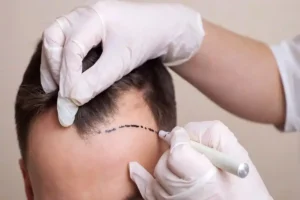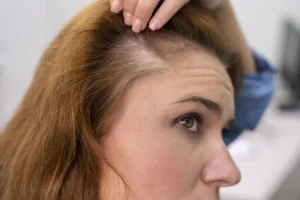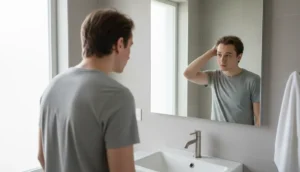
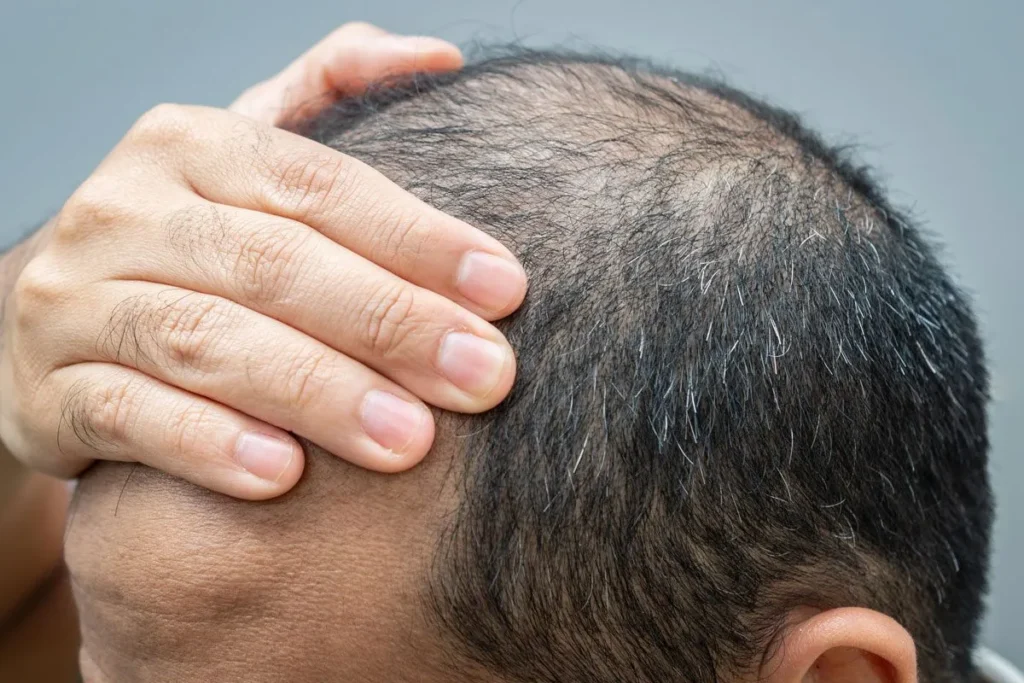
The link between depression and hair loss is complex. Studies show a strong connection between mental health and hair loss. This includes conditions like telogen effluvium and androgenetic alopecia.
Knowing about this connection can help emotionally. It lets people tackle both issues at once. By understanding the tie between mental and hair health, they can get better help. This might help them feel more confident and improve their overall health.
Önemli Çıkarımlar
Depression can contribute to hair loss through stress-induced shedding.
Hair loss can make depression and low self-esteem worse.
Recent research supports the association between mental health disorders and hair loss.
Addressing both depression and hair loss simultaneously can lead to better overall outcomes.
Seeking professional help is key for managing both conditions effectively.
The Science Behind Depression and Hair Loss
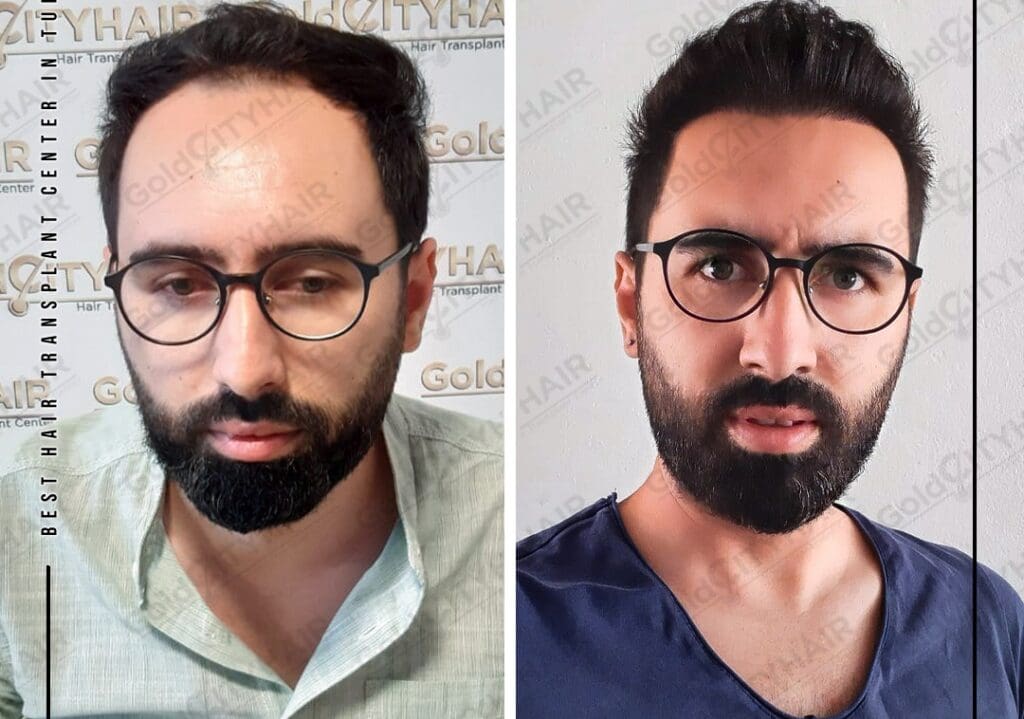
Understanding the link between depression and hair loss is complex. It involves the connection between mental health and physical health. These two conditions are deeply intertwined.
The Bidirectional Relationship
Depression and hair loss have a bidirectional relationship. Depression can cause hair loss, and hair loss can make depression worse. Research shows that people with depression often experience hair loss due to depression’s effects on the body.
Stress and anxiety from depression can disrupt hair growth. Hair loss can also make depression symptoms worse, creating a cycle.
Research Statistics and Findings
Research has shed light on the connection between depression and hair loss. It shows that people with depression are more likely to lose hair. This is because stress hormones like cortisol can mess with hair growth.
A study in the Journal of Clinical and Aesthetic Dermatology found that stress and depression can cause hair loss. This is because they push more hair follicles into the resting phase.
Research in the Journal of Cosmetic Dermatology found that people with depression are more likely to have telogen effluvium. This is a condition where there’s too much hair shedding.
These findings highlight the need to tackle both depression and hair loss together. This approach can help improve overall well-being.
Physiological Mechanisms of Depression-Related Hair Loss
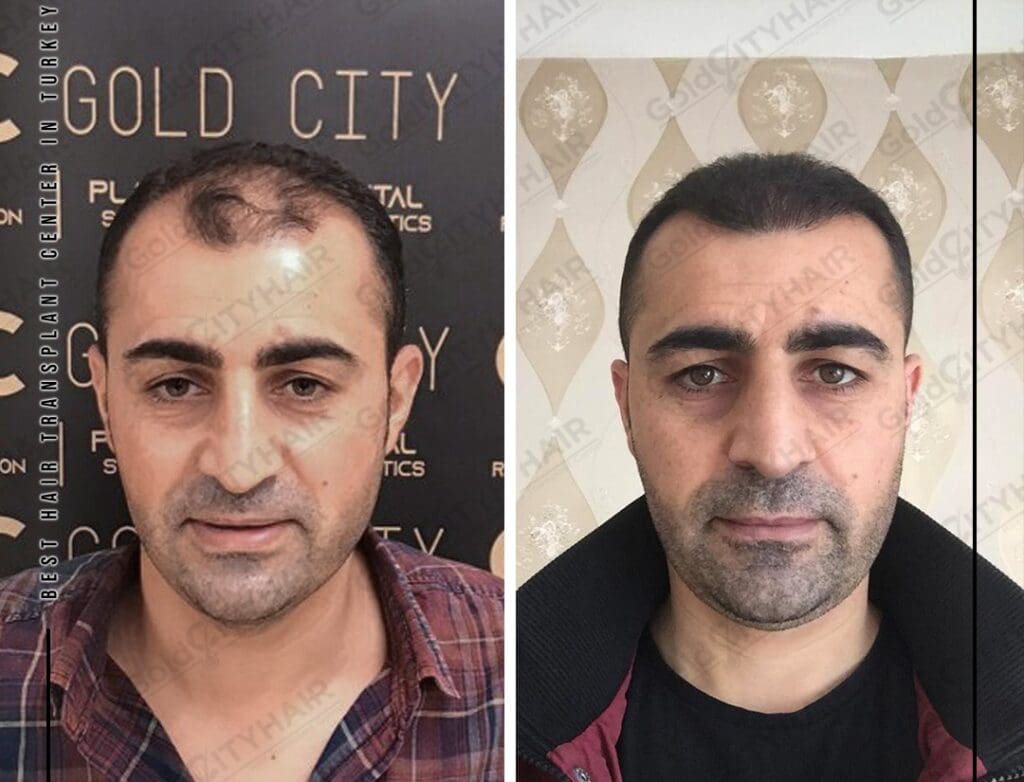
Depression can cause hair loss in many ways. It affects stress hormones and nutrition. When someone is depressed, their body changes in ways that can harm hair growth.
Stress Hormones and Cortisol Effects
Depression can lead to higher levels of stress hormones, like cortisol. Elevated cortisol levels disrupt the normal hair growth cycle, causing more hair to fall out. This can make hair follicles stop growing too soon, leading to telogen effluvium.
The role of cortisol in hair loss is complex. It not only messes with hair growth but also affects other important body functions. For example, cortisol can cause nutritional deficiencies by changing how we eat and metabolize food, making hair loss worse.
Nutritional Deficiencies and Their Impact
Nutritional issues are a big part of depression-related hair loss. Depression can make us eat less or differently, leading to a lack of nutrients needed for hair. Key nutrients for hair growth include iron, zinc, biotin, and vitamin D.
Iron is vital for carrying oxygen to hair follicles, and a lack of it can cause hair loss.
Zinc helps hair grow and repair, and not having enough can lead to hair loss.
Biotin turns protein into energy, which is key for hair growth.
Vitamin D deficiency can cause hair loss among other health problems.
Eating right or taking supplements can help with hair loss from depression. It’s important to talk to a doctor to figure out the best plan.
Types of Hair Loss Associated with Depression
Depression can show up in physical ways, like hair loss. This can be really tough for people already dealing with mental health issues. The link between depression and hair loss involves both physical and mental factors.
There are a few kinds of hair loss linked to depression, like telogen effluvium and androgenetic alopecia. Knowing about these can help improve the health of those with depression.
Telogen Effluvium: Stress-Induced Shedding
Telogen effluvium causes a lot of hair shedding, often due to stress or big changes, like depression. When stressed, more hair follicles than usual stop growing, leading to more hair falling out.
This can be scary for people, as it makes hair loss obvious. But, telogen effluvium usually gets better once the stress goes away.
Androgenetic Alopecia and Mental Health
Androgenetic alopecia, or pattern baldness, gets worse over time. It’s affected by genetics, hormones, and stress. It can really hurt a person’s mental health, making depression and anxiety worse.
Studies show that there’s a two-way street between androgenetic alopecia and depression. The condition can make people feel bad about themselves and depressed. At the same time, depression can make the hair loss worse.
Dealing with hair loss due to depression needs a full plan. This includes medical help and support for mental health. By learning about the different hair loss types and their causes, people can start feeling better and more confident.
Conclusion: Addressing Both Depression and Hair Loss
Depression and hair loss are closely linked and can greatly affect a person’s life. It’s important to understand how these two issues are connected. This knowledge is key to finding effective treatments.
It’s vital to treat both depression and hair loss at the same time. Treating depression can help reduce hair loss caused by stress. On the other hand, fixing hair loss can also help with depression’s emotional effects.
Can depression cause hair loss in women? Yes, it can. It’s important to recognize the link between depression and hair loss. Does depression make your hair fall out? Studies show it might, and getting professional help is essential for both mental and hair health.
To regain confidence and overall well-being, treating both depression and hair loss is necessary. With the right help and a complete treatment plan, people can overcome these challenges. This way, they can restore their mental and physical health.
SSS
Can depression lead to hair loss
Yes, depression can contribute to hair loss due to hormonal changes, poor nutrition, and stress-related effects on hair growth
How does depression cause hair thinning
Depression can trigger telogen effluvium, increase cortisol (stress hormone), and reduce self-care, all of which can push hair into the shedding phase
Is there a link between depression and baldness
Indirectly, yes. Chronic depression and associated stress may accelerate thinning or shedding, but it doesn’t directly cause genetic baldness
Can stress from depression cause hair loss
Yes, emotional stress from depression can trigger temporary shedding and worsen hair density
Does depression cause hair loss in women
Yes, women may experience diffuse thinning across the scalp during or after periods of depression
Can hair loss be a symptom of depression
It can be an associated symptom, often due to stress, hormonal changes, or neglect of nutrition and self-care
How can I address hair loss caused by depression
Manage stress, maintain proper nutrition, practice gentle hair care, and seek mental health support
Can treating depression help with hair loss
Yes, treating depression can reduce stress and hormonal imbalances, which may allow hair growth to normalize over time
Are there any specific treatments for depression-related hair loss
Focus is usually on addressing underlying depression, supporting hair with proper care, gentle shampoos, nutrition, and sometimes topical growth treatments if needed
Referanslar
https://www.lorealprofessionnel.com/hair-mag-repair-dry-hair