Do hair transplants last forever? Learn the big fact about permanent hair restoration and discover amazing ways to keep your results forever.
For those dealing with hair loss, finding a lasting fix can be tough. Hair transplants offer hope, helping to boost confidence and looks.
Done right, hair transplantation can last a lifetime. The transplanted hair doesn’t fall out like regular hair. Places like Gold City Hair use top skills and tech for natural-looking results.
It’s key to know how hair transplants work before starting your journey. With the right info, you can regain your confidence and get the hair you want.
Önemli Çıkarımlar
Hair transplants are designed to be a long-term solution for hair loss.
Transplanted hair follicles are resistant to balding.
Proper care and maintenance are essential for ensuring the longevity of the transplant.
Modern techniques like DHI and Sapphire FUE offer minimum scarring and fast recovery.
Reputable clinics provide personalized care and transparent processes.
The Permanence of Hair Transplants
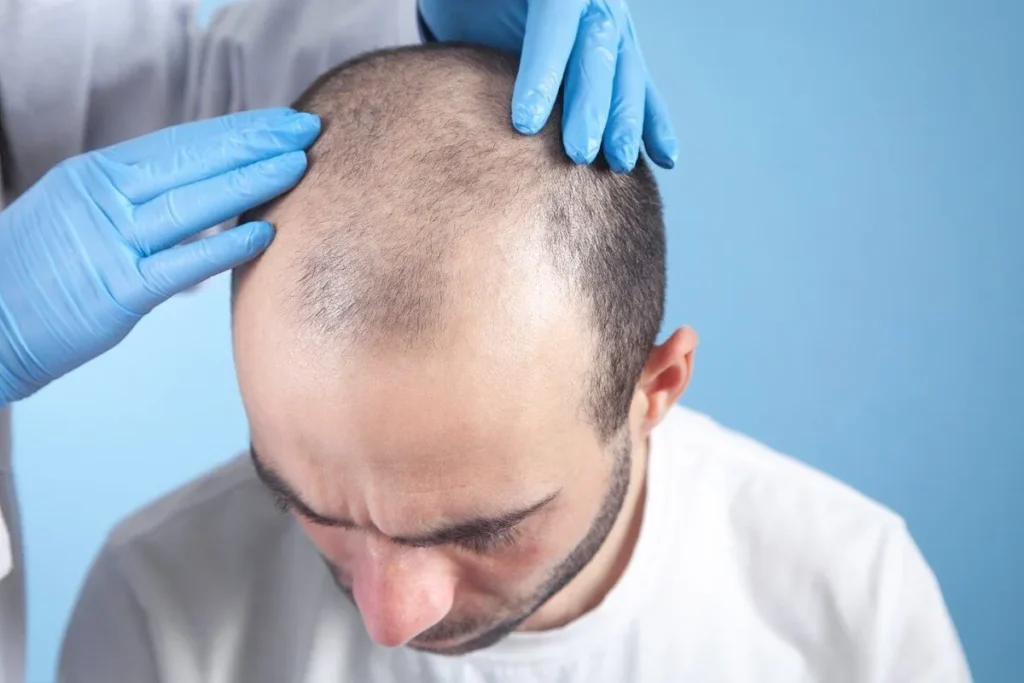
Hair transplants are a common choice for those dealing with hair loss. But, are they permanent? The answer depends on understanding the science behind hair transplants and what makes them last.
Transplanted hair is genetically resistant to balding, thanks to its fight against dihydrotestosterone (DHT). This hormone causes pattern baldness. Studies show that transplanted hair stays resistant to DHT, making it a lasting fix.
Understanding DHT Resistance in Transplanted Follicles
The secret to hair transplants lasting is the DHT resistance of the transplanted follicles. When hair follicles are moved from the back and sides to bald spots, they keep their genetic traits. This includes their DHT resistance.
This resistance is key because it means the transplanted hair will keep growing naturally. It acts just like it did in its original spot. So, hair transplants can offer lifelong results for many people.
Success Rates and Long-Term Results
Hair transplants have a success rate over 95 percent. This makes them a top choice for hair restoration. With the right care, transplanted hair can last forever. The high success rate comes from new transplant methods and skilled surgeons.
Choosing a well-known clinic and a seasoned surgeon boosts your chances of getting dense, natural results that last.
Do Hair Transplants Last Forever? The Science Explained
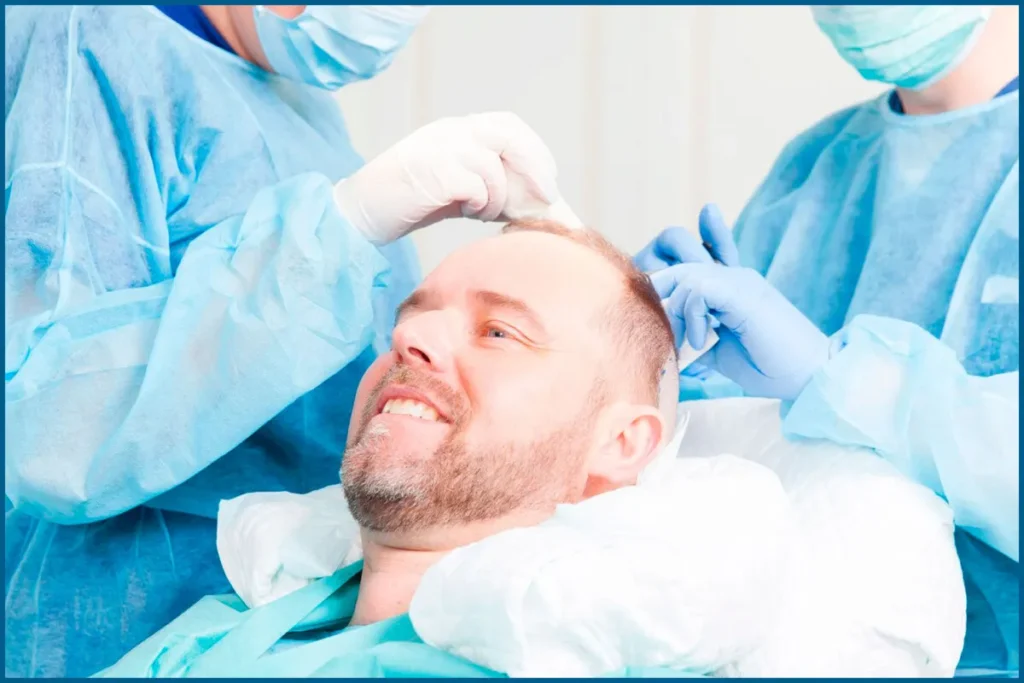
To understand how long hair transplants last, we need to look at the science. Hair transplantation moves hair follicles from one part of the scalp to another. The success of this depends on the hair’s characteristics and its ability to grow in its new home.
How Transplanted Hair Differs from Native Hair
Transplanted hair follicles are genetically resistant to balding. This makes them different from the hair in balding areas. The donor hair, taken from the back and sides, is less affected by DHT, the hormone causing hair loss.
Once in place, the transplanted hair grows like the hair in the donor area. This makes hair transplants a lasting solution for hair loss. But, it’s important to know that the hair around the transplant may keep thinning.
The Reality of Continuing Hair Loss Around Transplants
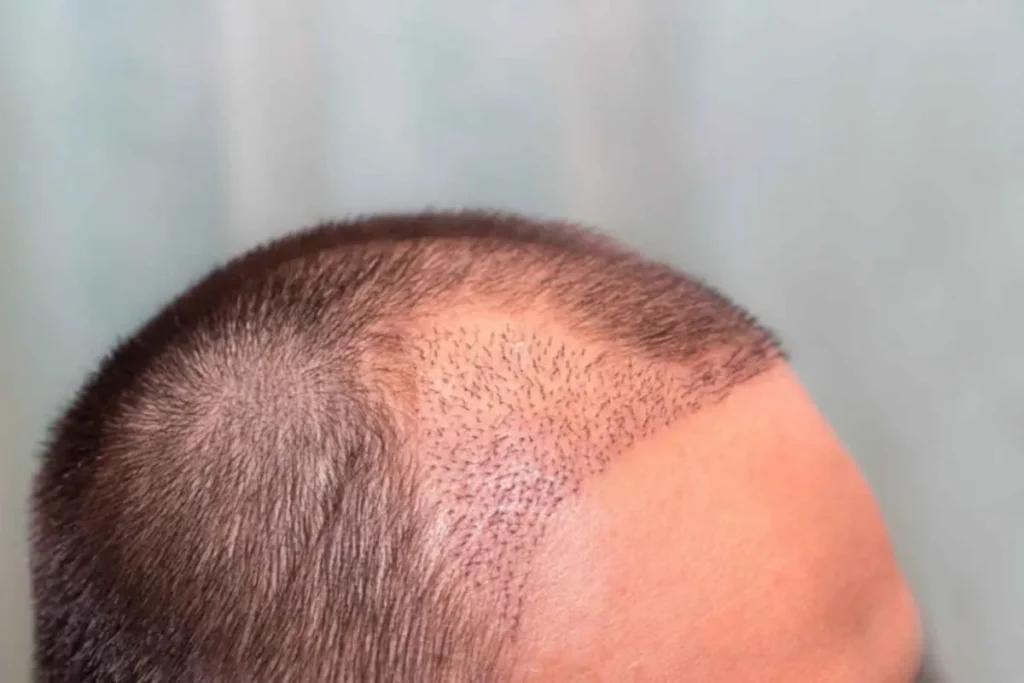
Even with successful hair transplants, hair loss can continue around the transplanted area. This is because the transplant doesn’t fix the underlying cause of hair loss. So, people may see more balding near the transplanted hair.
It’s key to understand that hair transplants offer permanent, natural hair. But, they might not stop hair loss completely. You might need more treatments or care to get the look you want.
Factors Affecting the Longevity of Hair Transplants
Knowing what affects hair transplant longevity is key to great results. Success isn’t just about the procedure. It’s about several important factors working together.
Modern Transplant Techniques: FUE vs. FUT
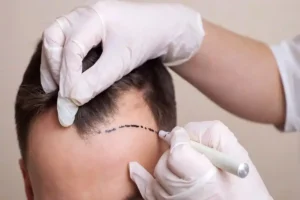
The hair transplant method greatly impacts its longevity. Follicular Unit Extraction (FUE) and Follicular Unit Transplantation (FUT) are two common methods. FUE takes individual follicles from the donor area, leading to less scarring and quicker healing. FUT, on the other hand, removes a scalp strip for grafting.
FUE is loved for its less invasive nature and less scarring. It’s a top pick for many. FUT, though, is better for transplanting more grafts at once.
The Importance of Surgeon Skill and Clinic Selection
The surgeon’s skill and the clinic’s reputation are critical. A skilled surgeon ensures grafts are placed right and hair grows naturally. This greatly affects the transplant’s success.
Choose surgeons with lots of hair transplant experience.
Research the clinic’s reputation and read reviews.
Make sure the clinic uses the latest technology.
Post-Operative Care and Maintenance
Proper care after the transplant is essential. Patients must follow their surgeon’s instructions closely. This includes gentle washing, avoiding hard activities, and taking medicines as directed.
Stay out of direct sunlight and extreme temperatures.
Use soft hair care products.
Go to all follow-up appointments with your surgeon.
Multiple Sessions: When One Procedure Isn’t Enough
Some may need more than one session for full hair restoration. Multiple sessions can lead to fuller coverage and more natural looks. The need for more sessions depends on hair loss and the first transplant’s extent.
By understanding these factors and optimizing each, you can make your hair transplant last longer. Get the best results by picking the right method, surgeon, and care after.
Conclusion: Ensuring Your Hair Transplant Lasts a Lifetime
Hair transplants can be a lasting fix for hair loss. But, how long they last depends on several things. Knowing that transplanted hair is less likely to fall out is key.
Choosing a skilled surgeon is vital for a long-lasting hair transplant. Modern methods like DHI or Sapphire FUE are important. Also, taking good care of your hair after the transplant is essential. With the right care, you can have healthy-looking hair for life.
So, are hair implants permanent? Yes, if done right. Going to a trusted clinic and following a care plan can help. This way, hair transplants can be a permanent fix for hair loss.
Feel confident again with a successful hair transplant. Knowing what makes hair transplants last can help you make better choices. Enjoy a lifetime of thick, natural hair.
SSS
What are the best postpartum vitamins for hair loss
Look for vitamins with biotin, iron, zinc, vitamin D, B‑complex, vitamin C, and collagen to support hair regrowth after childbirth
Can postpartum hair loss be stopped with vitamins
Vitamins help support and nourish hair growth, but they don’t stop shedding instantly—natural postpartum shedding usually resolves on its own
Are Baby Blues Postpartum Hair Vitamins effective
Supplements like Baby Blues may help if they provide key nutrients, but effectiveness varies by individual and nutritional needs
How long does it take to see results from postpartum hair loss vitamins
Most people notice improvements in 8-12 hafta of consistent intake
Can I take postpartum hair loss vitamins while breastfeeding
Many vitamins are safe during breastfeeding, but check with your healthcare provider to ensure they match your needs
What is the role of estrogen in postpartum hair loss
After pregnancy, estrogen levels drop, triggering telogen effluvium—a temporary shedding phase that causes hair loss
Can I take vitamin D for postpartum hair loss
Yes, vitamin D supports hair follicle health, especially if levels are low, but confirm dosage with your doctor
Are there any other nutrients I should take with postpartum hair loss vitamins
Yes—iron, zinc, omega‑3 fatty acids, B vitamins, and collagen all support stronger, healthier hair growth
Referanslar
https://my.clevelandclinic.org/health/diseases/21753-hair-loss