Scalp eczema is a common problem that affects many people around the world. It causes itching, inflammation, and can make people feel embarrassed. Medical Expert, a dermatologist, says it’s important to know what causes and symptoms of scalp eczema are.
Can you have eczema on your scalp? Discover the amazing truth and powerful tips to manage scary itching for incredibly healthy skin now.
Studies show that about 101.27 million adults and 102.78 million kids have atopic dermatitis globally. This guide will show you how to treat scalp eczema and manage it. It aims to help you find relief and improve your scalp’s health.
Önemli Çıkarımlar
Understanding the causes and symptoms of scalp eczema is key to managing it well.
Scalp eczema is a common form of atopic dermatitis that affects millions worldwide.
There are effective treatments and ways to manage scalp eczema to find relief and improve scalp health.
Research shows that atopic dermatitis has a big impact on adults and children globally.
This guide offers evidence-based solutions for scalp-specific concerns.
Understanding Scalp Eczema: Symptoms and Prevalence
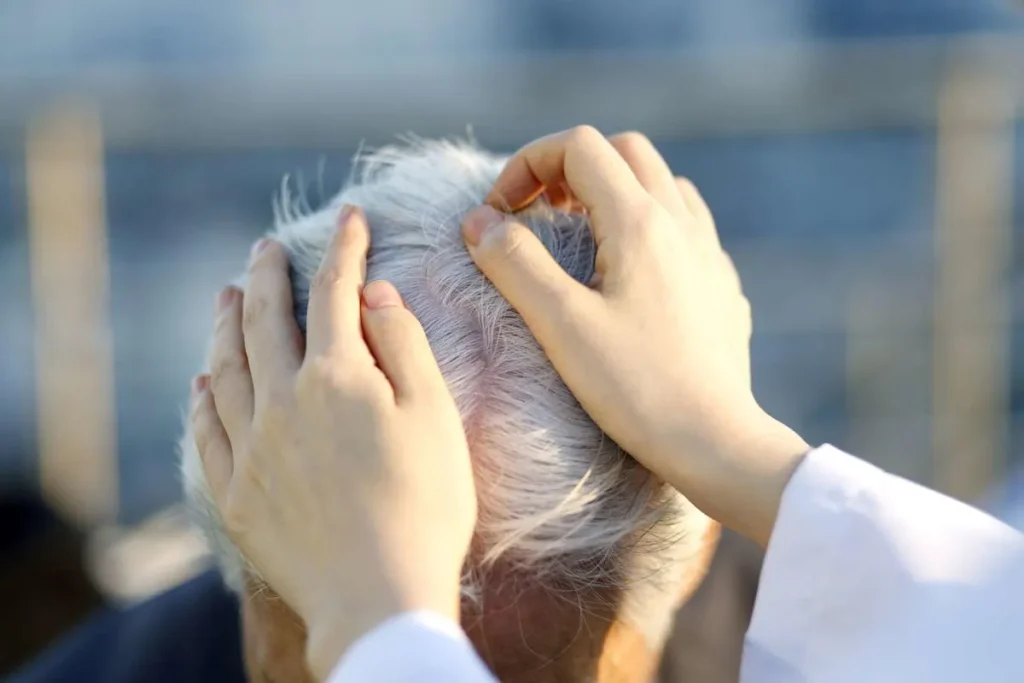
It’s important to understand scalp eczema to manage its symptoms and improve life quality. Scalp eczema, often linked to seborrheic dermatitis, causes inflammation, redness, and itching on the scalp.
What Is Scalp Eczema?
Scalp eczema is a type of eczema that affects the scalp. It leads to inflammation and irritation, causing discomfort and flaking skin. This condition can be ongoing, needing constant care.
Common Symptoms and Presentation
Scalp eczema symptoms vary but often include itching, redness, and flaking skin. In severe cases, it can cause thick skin and increased sensitivity. Symptoms can differ, with some people having mild cases and others facing more severe ones.
Common symptoms include:
Itching and irritation on the scalp
Kızarıklık ve iltihaplanma
Flaking skin, sometimes resembling dandruff
Increased sensitivity of the scalp
Prevalence and Demographics
Scalp eczema affects about 3% to 5% of adults globally. Around 20–30% of those with it use over-the-counter treatments. It can happen to anyone, but it’s more common in adults. Stress, environment, and genetics can affect how common it is.
Can You Have Eczema on Your Scalp? Causes and Triggers
Understanding scalp eczema’s causes and triggers is key to managing it. Scalp eczema is an inflammation of the scalp. It can be caused by many factors.
Primary Causes of Scalp Eczema
The exact cause of scalp eczema is not fully known. It’s believed to involve a genetic mutation that weakens the skin. This makes it more prone to irritation and inflammation. Genetic predisposition plays a big role, with those with a family history of eczema or allergies more likely to get it.
Other causes include an overactive immune response and environmental factors. The immune system’s reaction to certain triggers can make symptoms worse. This includes redness, itching, and flaking.
Environmental Triggers and Exacerbating Factors
Environmental triggers can make scalp eczema worse. Common triggers include:
Heat and sweating
Stres
Infections
Bazı saç bakım ürünleri
Managing these triggers is important for controlling the condition. For example, using gentle, fragrance-free shampoos and avoiding too much heat styling can help reduce irritation.
Diğer Saç Derisi Sorunlarından Ayırt Etme
Scalp eczema is often confused with other scalp conditions like psoriasis or contact dermatitis. Each condition has its own characteristics. For example, psoriasis has thicker, more defined scales. Eczema is more diffuse and may include itching and redness.
It’s important to differentiate between these conditions for proper treatment. A healthcare professional can provide a definitive diagnosis and recommend the right treatment.
Effective Treatment Options for Scalp Eczema
Understanding how to manage scalp eczema is key. There are many treatment options, each suited to different needs. They depend on the condition’s severity and unique characteristics.
Emollients and Moisturizing Strategies
Emollients and moisturizers are vital for scalp eczema. They help fix the skin’s barrier. Regular use can lessen dryness and irritation, reducing flare-ups.
Apply emollients right after washing your hair to keep moisture in.
Opt for fragrance-free, hypoallergenic emollients to avoid irritation.
Topical Corticosteroids and Prescription Treatments
Topical corticosteroids are used to lower inflammation in scalp eczema. For severe cases, doctors may prescribe stronger treatments.
Medicated Shampoos and Hair Care Products
Medicated shampoos are key in treating scalp eczema. They help control flaking, reduce inflammation, and prevent infections.
When picking a medicated shampoo, look for ketoconazole, zinc pyrithione, or coal tar. These ingredients fight fungi and inflammation, helping manage scalp eczema.
Lifestyle Modifications are also important. Avoid harsh hair products, reduce stress, and eat a diet full of omega-3s and antioxidants.
By using these treatments and making lifestyle changes, you can manage scalp eczema well. This improves your overall quality of life.
Conclusion: Managing Scalp Eczema Long-Term
Managing scalp eczema needs a mix of medical treatments, lifestyle changes, and special hair care. If you’re wondering if you can have eczema on your scalp, yes, many people do.
Good treatment for scalp eczema includes using moisturizers and soothing the scalp. Topical corticosteroids and prescription treatments help reduce inflammation. Medicated shampoos and hair products are also key in managing scalp eczema.
Advanced Hair Studio India shows how important scalp health is in their hair care approach. They prove that the right treatments and lifestyle changes can help manage scalp eczema long-term.
Knowing the causes and symptoms of scalp eczema is the first step. Adopting a complete management plan can help reduce flare-ups and improve scalp health.
SSS
Understanding Scalp Eczema
Scalp eczema, often referred to as seborrheic dermatitis in its most common form, is an inflammatory skin condition that causes itchy, flaky patches. It differs from scalp psoriasis by being less “silvery” and more “greasy” in appearance, and it differs from simple dry scalp because it involves an overgrowth of yeast rather than just a lack of moisture.
Common Symptoms
The hallmark symptoms include persistent itching, redness, and the formation of yellowish or white scales that can flake off as dandruff. In more severe cases, you may notice a “weeping” or crusty appearance on the skin, often accompanied by a distinct soreness or burning sensation in the affected areas.
Nedenler ve Tetikleyiciler
Scalp eczema is primarily caused by an inflammatory reaction to Malassezia, a yeast that naturally lives on the skin’s surface. Common triggers that can spark a flare-up include cold and dry weather, high levels of stress, hormonal changes, and the use of harsh hair products that strip the scalp’s natural defenses.
Diagnosis and Treatment
A dermatologist typically diagnoses scalp eczema through a visual examination of the scales and the pattern of inflammation. Treatment options usually involve antifungal shampoos to kill the yeast, or topical steroid liquids and foams to quickly calm down the immune system’s inflammatory response.
Best Shampoos for Treatment
The most effective shampoos contain active ingredients like ketoconazole, selenium sulfide, or zinc pyrithione to target the underlying yeast. For those with extremely sensitive skin, look for fragrance-free coal tar shampoos or salicylic acid formulas, which help to gently dissolve thick scales without further irritating the skin.
Chronicity of the Condition
Scalp eczema is a chronic condition, meaning there is currently no permanent cure that will make it disappear forever. However, it is very manageable; most people can stay symptom-free for long periods by maintaining a consistent scalp hygiene routine and using medicated treatments at the first sign of a flare-up.
Prevention of Recurrence
To prevent the condition from returning, avoid leaving your hair damp for long periods, as yeast thrives in warm, moist environments. Regularly rotating your medicated shampoos and avoiding heavy, oil-based pomades or waxes—which can “feed” the yeast—will also help keep the scalp environment balanced.
Effective Home Remedies
Home remedies such as tea tree oil (diluted in a carrier oil) can provide natural antifungal benefits, while aloe vera gel can soothe intense itching and redness. A diluted apple cider vinegar rinse can also help restore the scalp’s natural pH, making it less hospitable to yeast overgrowth.
Scalp Eczema and Hair Loss
While the eczema itself doesn’t kill hair follicles, the intense itching can lead to aggressive scratching, which causes mechanical breakage and temporary thinning. To prevent this, focus on stopping the itch immediately with cold compresses or medicated drops to ensure you aren’t damaging the follicles through physical trauma.
Long-Term Management
Long-term management involves identifying your specific triggers and keeping a “maintenance” shampoo in your shower rotation to use once or twice a week even when your scalp looks clear. Stress management and a diet low in inflammatory triggers can also play a subtle but helpful role in keeping your immune system from overreacting.
Referanslar
Ulusal Biyoteknoloji Bilgi Merkezi. Kanıta Dayalı Tıbbi Öngörü. Erişim adresi https://pubmed.ncbi.nlm.nih.gov/16908356/