
Are you tired of dealing with greasy hair that seems to appear just hours after washing? You’re not alone. Oily hair and greasy scalp affect millions, causing frustration and self-consciousness. The good news is that there are effective natural home remedies that can help.
Oily hair occurs when the sebaceous glands produce too much sebum. This leads to a greasy, shiny look and weighed-down hair. Understanding the underlying causes is key to finding a solution. This guide explores evidence-based natural home remedies and lifestyle changes to address excessive sebum production.
By discovering natural treatment for oily hair, you can restore balance to your scalp. Achieve healthier, more manageable hair. Regain your confidence with a fresher, cleaner scalp.
Önemli Çıkarımlar
Understand the causes of oily hair and greasy scalp
Explore natural home remedies for oily hair
Discover lifestyle modifications to reduce sebum production
Learn how to restore balance to your scalp
Achieve healthier, more manageable hair with natural treatments
Understanding Oily Hair and Its Causes
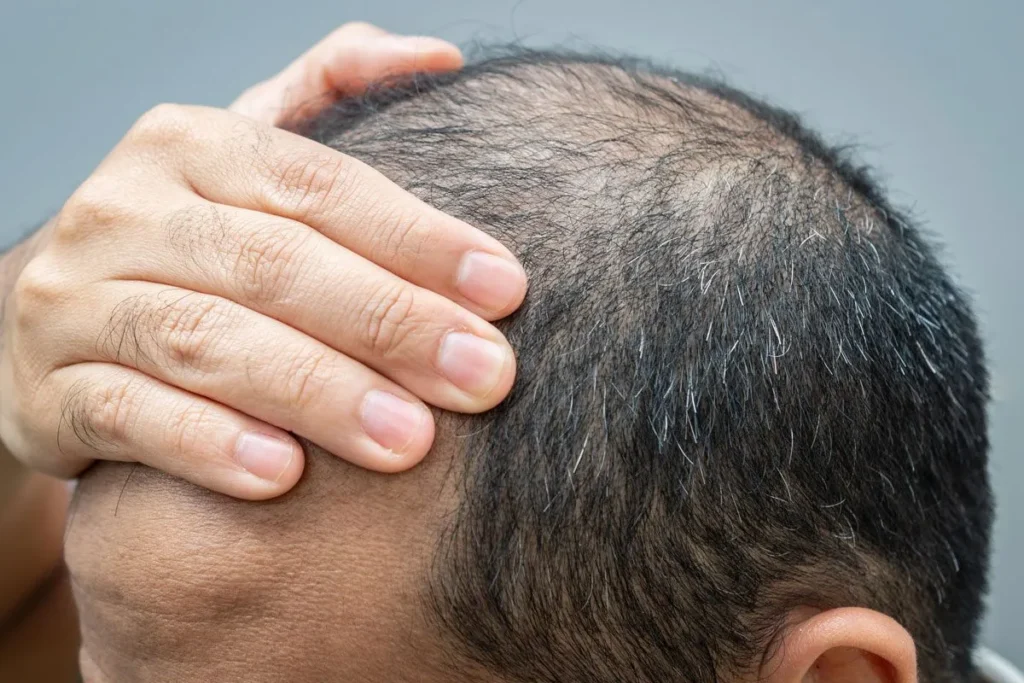
Oily hair is a common problem. It’s important to know why it happens to manage it better. Oily hair comes from too much sebum, an oily substance from the scalp.
What Is Sebum and Why It Overproduces
Sebum is a natural oil that keeps hair healthy. It moisturizes and protects hair from damage. But too much sebum makes hair oily. Many things can cause this, like hormonal changes, genetics, and stress.
Stress makes the body release hormones like cortisol and prolactin. These hormones tell the scalp to make more sebum. This is a natural defense, but it can harm hair.
Hormonal changes during puberty, menopause, or pregnancy
Genetic factors that predispose individuals to oily hair
Stress-induced hormonal imbalances
Hormonal Fluctuations and Genetic Factors
Hormonal changes make hair greasier. Genetics also matter, as some people’s glands work harder.
Knowing why hair gets oily helps manage it. This includes sebum, hormones, and genetics. With this knowledge, people can find natural ways and lifestyle changes to help.
How to Help Oily Hair with Lifestyle Changes
Managing oily hair starts with a balanced lifestyle. It’s about what you eat and how you handle stress. A well-rounded approach can help control oily hair, leading to a healthier scalp and more manageable locks.
Dietary Adjustments to Reduce Scalp Oil
What you eat affects your scalp health. Eating too much sugar and saturated fats can harm your skin and scalp, making it oilier. On the other hand, foods rich in omega-3 fatty acids, fruits, and vegetables can help control oily hair.
Eating foods high in antioxidants and essential fatty acids can reduce inflammation and promote a healthy scalp. Some good foods include:
Fatty fish like salmon, which is high in omega-3 fatty acids
Nuts and seeds, such as walnuts and flaxseeds, which are rich in antioxidants and healthy fats
Leafy greens like spinach, which are packed with vitamins and minerals
Stress Management for Healthier Hair
Stress can also make your hair oilier. When stressed, your body makes more cortisol, a hormone that makes your oil glands work harder. Good stress management can help reduce this effect.
Effective stress management includes:
Meditation and mindfulness practices
Regular exercise, such as yoga or walking
Adequate sleep and relaxation techniques, like deep breathing exercises
By making these dietary and stress management changes, you can significantly reduce oily hair. This leads to a healthier, more balanced scalp.
Effective Natural Home Remedies for Oily Hair
Discover natural home remedies to control oily hair and boost your confidence. Oily hair can lower your self-esteem and harm your hair health. Luckily, there are many natural remedies to manage and cut down oil.
Tea Tree Oil Treatments
Tea tree oil is famous for fighting fungi and bacteria, making it great for oily hair. It stops yeast and bacteria on the scalp, which can make hair oily. Mix a few drops with shampoo or apply it to the scalp before washing.
Benefits of Tea Tree Oil:
Reduces scalp irritation
Controls fungal and bacterial growth
Balances scalp pH
Apple Cider Vinegar Rinses
Apple cider vinegar is a top natural remedy for oily hair. It balances the scalp’s pH, cuts down oil, and adds shine. Use equal parts water and apple cider vinegar as a final rinse after shampooing.
Aloe Vera Applications
Aloe vera is great for soothing and moisturizing, and it also controls oily hair. It calms the scalp and encourages healthy hair growth. Apply aloe vera gel to the scalp or mix it with shampoo.
Aloe vera’s anti-inflammatory properties can help soothe an irritated scalp, reducing oil production.
Clay and Herbal Masks
Clay masks, like those with kaolin or bentonite clay, soak up extra oil from the hair and scalp. Herbal masks with neem or rosemary can also control oil and improve scalp health. Use a clay or herbal mask once a week for best results.
Tips for Using Clay Masks:
Apply the mask to the scalp and hair, avoiding the ends.
Leave the mask on for 15-20 minutes.
Rinse thoroughly with warm water.
By adding these natural home remedies to your hair care routine, you can manage oily hair and get a healthier, more balanced scalp.
Sonuç
Getting your confidence back with a healthier scalp is possible. You can do it with natural home remedies and simple lifestyle changes. Knowing why your hair gets oily and finding good solutions can make your scalp and hair healthier.
Adding healthy foods, managing stress, and using natural treatments like tea tree oil can help. Apple cider vinegar, aloe vera, and clay masks are also great. These methods not only control oily hair but also improve scalp health.
Studies show that natural remedies and lifestyle changes work well together. By using these home solutions, you can have a healthier scalp and easier-to-manage hair. This leads to a more confident and healthy life.
Choosing these natural and effective ways is a big step towards your dream of healthy hair. With the right mix of lifestyle changes and natural remedies, managing oily hair becomes easier.
SSS
What causes oily hair and greasy scalp?
Oily hair is caused by overactive sebaceous glands that produce excess sebum. Factors include genetics, hormonal changes, stress, and certain hair products.
How can I control oily hair naturally?
Use gentle cleansing, avoid heavy conditioners at the roots, rinse with cool water, and apply natural absorbents like aloe vera or lemon juice.
What are some effective natural home remedies for oily hair?
-
Apple cider vinegar rinse to balance scalp pH
-
Aloe vera gel to absorb excess oil
-
Lemon juice diluted with water to reduce greasiness
-
Honey and yogurt masks for scalp cleansing and hydration
How often should I wash my oily hair?
Most people with oily hair benefit from washing every 1–2 days to remove excess sebum without overstripping the scalp.
Can stress make my oily hair worse?
Yes. Stress can trigger hormonal changes that increase sebum production, worsening greasy hair.
Are there any dietary changes that can help reduce oily hair?
A balanced diet low in fried foods and sugar and rich in fruits, vegetables, and lean protein may help regulate oil production.
How can I make my hair less oily?
-
Wash regularly with mild shampoo
-
Avoid heavy, oily hair products
-
Rinse with natural astringents like lemon or apple cider vinegar
-
Keep hair off the face and scalp to reduce contact with oil
What is the best natural remedy for oily hair and scalp?
Apple cider vinegar rinse is widely recommended: mix 1–2 tablespoons with water, apply to scalp, leave 5–10 minutes, then rinse. It balances pH and reduces excess oil.
Can oily hair be a sign of an underlying health issue?
Sometimes. Conditions like hormonal imbalances (PCOS, thyroid issues) or stress-related hormonal shifts can cause excessive oiliness. If persistent or severe, consult a healthcare provider.
Referanslar
Ulusal Biyoteknoloji Bilgi Merkezi. Kanıta Dayalı Tıbbi Öngörü. Erişim adresi https://pubmed.ncbi.nlm.nih.gov/12096022/