Oily hair, also known as seborrhea, is a common problem. It makes hair look greasy and unkempt.
The main reason for oily hair is the overproduction of sebum. Hormonal changes, genetics, and outside factors all affect how much sebum is made.
Knowing why your hair gets oily is key to controlling it. Things like too much sebum and hormonal shifts can make hair greasy.
Önemli Çıkarımlar
Oily hair is caused by the overproduction of sebum.
Hormonal changes can contribute to oily hair.
Genetic predisposition plays a role in oily hair.
External factors can influence sebum production.
Managing oily hair requires understanding its underlying causes.
Understanding Sebum Production and Oily Hair

Learning about sebum production helps solve oily hair problems. Sebum, a natural oil, keeps hair and scalp healthy.
What Is Sebum and Its Normal Function?
Sebum is a mix of oils that keeps hair and scalp moist. It comes from sebaceous glands near hair follicles. It keeps hair healthy by moisturizing and protecting it from drying.
Tıp Uzmanı, Dermatolog
Sebum’s main job is to:
Moisturize hair and scalp
Keep hair from drying out
Act as a shield against environmental harm
How Sebaceous Glands Work
Sebaceous glands are tiny factories in the skin. They’re linked to hair follicles and release sebum. This sebum reaches the scalp’s surface. Hormones, genetics, and environment affect their work.
The Difference Between Normal and Excessive Sebum Production
Sebum is good for hair, but too much is bad. The key is finding the right balance. This balance helps the body control sebum.
Too much sebum, or seborrhea, comes from hormones, genes, and hair care. Knowing these causes helps manage oily hair.
Why Is My Hair So Oily? The Main Causes
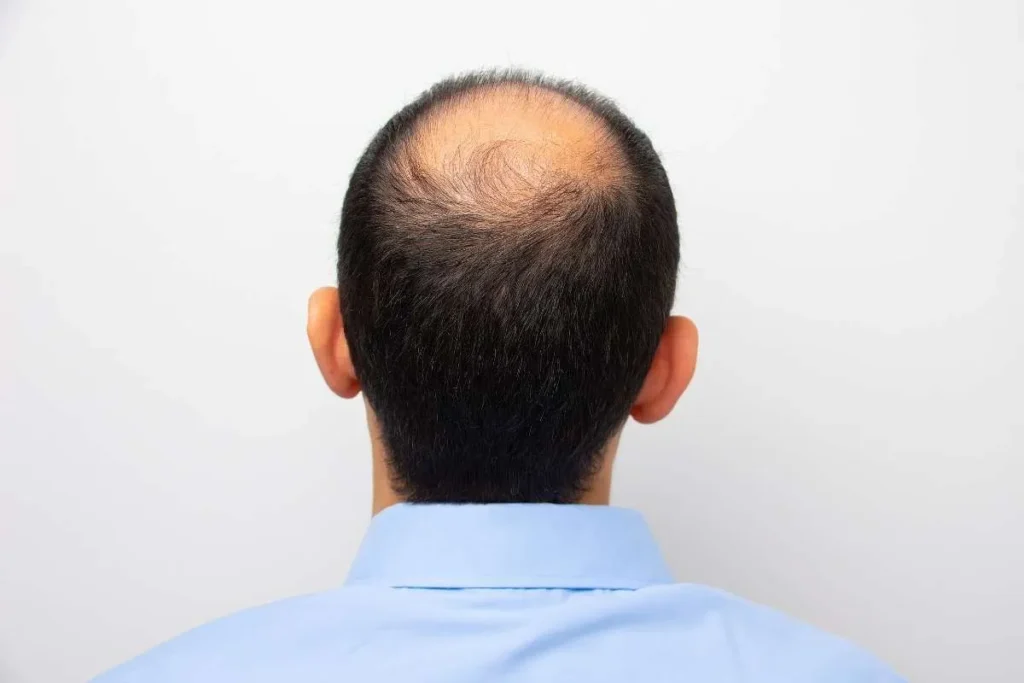
Some people’s hair gets oily more easily than others. This is due to hormonal changes and genetics. Knowing why your hair is oily is the first step to controlling it.
Hormonal Fluctuations and Their Impact
Hormonal shifts affect how much sebum your scalp makes. Sebum is an oily substance. Changes like puberty, pregnancy, or menopause can lead to more sebum.
For example, more androgens in puberty can make your hair oilier. This is because androgens increase sebum production.
Tıp Uzmanı, Dermatolog
How hormonal changes affect hair oiliness varies. Some see a small increase, while others get very oily hair. Treating hormonal imbalances can help manage oily hair.
Genetic Predisposition to Oily Hair
Genetics are key in determining hair type and oil levels. If your family has oily hair, you might too. Genetics influence how active your sebaceous glands are.
Genetics can’t be changed, but knowing them helps. Using the right hair care and staying clean are key to managing oily hair.
External Factors Contributing to Greasy Hair
Daily habits and the environment can make hair oilier. While hormones and genetics affect hair oiliness, external factors can make it worse.
Hair Care Habits That Make Matters Worse
Bad hair care habits can make hair greasier. Overwashing or using harsh shampoos can remove natural oils. This makes the hair produce more oil.
On the other hand, underwashing can cause oil buildup. It’s important to use the right shampoo and conditioner for your hair type.
Using too much styling product can also make hair look greasier. It’s best to use lightweight, oil-free products. Apply them sparingly, focusing on the hair ends.
Environmental Influences on Sebum Production
Environmental factors also affect hair oiliness. High humidity can make hair absorb moisture, leading to frizz and oiliness. Pollution can also harm hair health, causing dirt and oil buildup.
To fight these effects, use a clarifying shampoo to remove dirt and buildup. Wearing a hat or using hair products with anti-pollution properties can also help.
Conclusion: Managing Oily Hair Effectively
Managing oily hair needs a full plan that tackles why it gets too oily. Knowing why does my hair get oily easily helps find the best oily hair remedies and greasy hair solutions.
Healthy hair habits, like picking the right shampoo and washing less, cut down oiliness. Using dry shampoo and styling products also keeps hair clean between washes.
For healthy hair tips, it’s key to know what makes hair greasy. Hormones, genes, and the environment play big roles. Making smart lifestyle changes and using the right hair products can make straight oily hair look cleaner and healthier.
Getting managing oily hair right is about balancing hair care and lifestyle. With the right steps, you can beat oily hair and look fresher and healthier.
SSS
What causes oily hair?
Oily hair is caused by overactive sebaceous glands producing excess sebum, which makes hair greasy and heavy.
How do hormonal changes affect oily hair?
Hormonal fluctuations, such as during puberty, menstruation, or pregnancy, can increase sebum production and make hair oilier.
Can genetics play a role in oily hair?
Yes, oily hair often runs in families, as sebaceous gland activity can be inherited.
How do hair care habits contribute to oily hair?
Over-washing, using heavy conditioners, or harsh shampoos can trigger the scalp to produce more oil.
What environmental factors can affect oily hair?
Humidity, pollution, heat, and excessive sweating can all make hair appear oilier.
How can I manage oily hair effectively?
Wash regularly with a gentle shampoo, avoid heavy styling products, and rinse thoroughly to control oil buildup.
Why does my straight hair get oily so easily?
Straight hair distributes oil more evenly along the strand, making the scalp appear greasy faster than wavy or curly hair.
Can using the wrong hair products make oily hair worse?
Yes, heavy oils, silicones, and creamy conditioners can weigh hair down and increase oiliness.