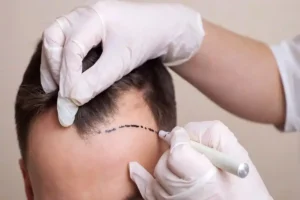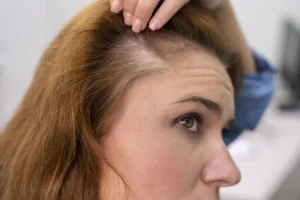
Deciding should i see a dermatologist for hair loss is a common question for anyone noticing thinning strands or bald patches. Hair loss affects up to 40 % of men and 30 % of women by age 35, making early professional guidance essential. This article explains the signs that warrant a dermatologist visit, outlines the treatments they provide, compares those options with surgical hair restoration, and helps you choose the path that best fits your goals.
We’ll explore how dermatologists diagnose the underlying cause, the range of medical and topical solutions—including finasteride for hair loss and the latest hair growth products—and when a referral to a specialist like a hair transplant clinic might be appropriate. By the end, you’ll have a clear roadmap for taking control of your hair health.
Whether you’re dealing with male‑pattern baldness, female thinning, or an unexpected patch of hair loss, understanding the role of a dermatologist empowers you to make an informed decision and start the journey toward fuller, healthier hair.
Understanding When a Dermatologist Is Needed
Not every case of hair loss requires a surgical solution. Dermatologists are trained to identify medical conditions, hormonal imbalances, and lifestyle factors that contribute to hair thinning. If you notice any of the following, it’s time to schedule a consultation:
- Sudden, patchy hair loss (alopecia areata)
- Gradual thinning along the crown or frontal hairline
- Scalp redness, itching, or scaling
- Excessive shedding after a stressful event or illness
- Hair loss accompanied by other skin changes
During the appointment, the dermatologist will conduct a thorough dermatologic examination, often including a trichoscopic analysis and, if needed, blood tests to rule out thyroid issues or iron deficiency. This comprehensive approach ensures that any underlying health problem is addressed before considering cosmetic interventions.

Below is a quick reference table that helps you match symptoms with typical dermatologist actions:
| Symptom | Possible Cause | Dermatologist Action |
|---|---|---|
| Patchy bald spots | Alopecia areata | Topical steroids, oral immunotherapy |
| Gradual thinning | Androgenetic alopecia | Finasteride, minoxidil, lifestyle counseling |
| Scalp itching | Psoriasis or dermatitis | Medicated shampoos, anti‑inflammatory creams |
| Hair shedding after illness | Telogen effluvium | Observation, nutritional support |
What Dermatologists Offer for Hair Loss
Dermatology clinics provide a spectrum of treatments that target the root causes of hair loss. These options can be categorized into medical, topical, and procedural approaches.
Medical Treatments
Prescription medications such as finasteride for hair loss (commonly used for men) and anti‑androgen creams for women are proven to slow or reverse thinning. Oral supplements, including biotin and zinc, may support overall hair health, especially when deficiencies are identified.
Topical Solutions
Over‑the‑counter and prescription‑strength products like minoxidil, ketoconazole shampoos, and the latest best hair growth products are applied directly to the scalp. These formulations improve blood flow and stimulate follicles, offering a non‑invasive route to regrowth.
Procedural Options
Dermatologists also perform low‑level laser therapy (LLLT) and platelet‑rich plasma (PRP) injections. While not as dramatic as a full hair transplant, these procedures can enhance density and are often combined with medical therapy for synergistic results.
Here is a concise list of common dermatology‑based hair loss treatments and their typical usage:
- Finasteride – daily oral tablet, male pattern baldness
- Minoxidil – 2% or 5% topical solution, both genders
- PRP – quarterly injections, improves follicle health
- LLLT – at‑home devices or in‑clinic caps, stimulates growth
- Ketoconazole shampoo – twice weekly, reduces scalp inflammation
Comparing Dermatology Care with Hair Transplant Clinics
While dermatologists focus on medical management, hair transplant centers like Gold City Hair specialize in surgical restoration. Understanding the differences helps you decide which route aligns with your expectations and budget.
| Aspect | Dermatology | Hair Transplant Clinic |
|---|---|---|
| Primary Goal | Stop loss & stimulate regrowth | Permanent follicular replacement |
| Typical Timeline | 3‑12 months for visible results | Immediate post‑procedure density, full result in 12‑18 months |
| Invasiveness | Non‑surgical (topicals, pills, minor procedures) | Surgical extraction and implantation (FUE, DHI) |
| Cost Range | $100‑$3,000 per year | $2,000‑$15,000 per session |
| Bakım | Ongoing medication or supplements | Occasional touch‑ups, low long‑term meds |
For many patients, an initial dermatologist visit determines whether medical therapy can achieve satisfactory results. If the response is limited, a referral to a hair transplant specialist may be the next logical step. Importantly, both pathways can be combined—patients often continue minoxidil after a transplant to support graft survival.
Common Non‑Surgical Hair Loss Treatments
Even if you decide a dermatologist isn’t necessary right now, understanding the broader landscape of non‑surgical options can guide self‑care and future consultations.
Topical and Oral Products
Products such as best hair growth supplements (containing biotin, collagen, and vitamins) and clinically tested hair growth treatments like minoxidil remain first‑line choices. Consistency is crucial; most users see improvement after 4‑6 months of daily use.
Lifestyle Adjustments
Stress management, balanced nutrition, and proper scalp hygiene can dramatically influence hair health. Reducing heat styling, avoiding tight hairstyles, and protecting hair from harsh chemicals are simple yet effective measures.
Emerging Therapies
Research into stem‑cell‑derived exosomes and low‑dose oral dutasteride shows promise, though they are currently available only through specialized dermatology practices. Staying informed about clinical trials can provide early access to cutting‑edge solutions.
Below is a quick checklist for a holistic, non‑surgical hair loss plan:
- Consult a dermatologist to rule out medical causes.
- Start a proven topical regimen (e.g., minoxidil 5%).
- Consider oral finasteride or dutasteride if appropriate.
- Incorporate a high‑quality supplement containing biotin, zinc, and vitamin D.
- Adopt scalp‑friendly lifestyle habits (diet, stress reduction, gentle styling).
Deciding the Right Path for Your Situation
Choosing whether to see a dermatologist for hair loss ultimately depends on your personal goals, the severity of thinning, and your willingness to explore medical versus surgical options. Here are three decision‑making scenarios to consider:
- Early‑stage thinning: Start with a dermatologist to identify reversible causes and begin topical therapy.
- Advanced baldness with limited regrowth potential: After dermatologist assessment, discuss surgical restoration at a reputable clinic like Gold City Hair.
- Specific health concerns (e.g., hormonal imbalance): A dermatologist can coordinate care with endocrinologists to address systemic factors before any cosmetic procedure.
Remember that many patients benefit from a blended approach—medical therapy to stabilize loss combined with a hair transplant to restore density. The key is an individualized plan crafted with expert guidance.
Ultimately, asking yourself “should i see a dermatologist for hair loss?” is the first step toward a solution. A professional evaluation provides clarity, opens the door to effective treatments, and empowers you to make an informed choice about any further procedures.
Why Choose Gold City Hair
Gold City Hair has been delivering personalized hair restoration in Turkey since 2017. Our clinic combines state‑of‑the‑art FUE and DHI techniques with transparent communication, ensuring every patient understands their options. Whether you arrive after a dermatologist’s recommendation or seek a direct surgical solution, our experienced team tailors each plan to your unique hair loss pattern, delivering natural‑looking results and lasting confidence.
Ready to take the next step? Contact Gold City Hair today for a free, no‑obligation consultation and discover how our expert team can help you achieve the hair you deserve.
SSS
When should I see a dermatologist for hair loss?
If you notice sudden patchy loss, gradual thinning, scalp irritation, excessive shedding after stress or illness, or any skin changes, schedule a dermatologist visit.
What treatments can dermatologists provide for hair loss?
Dermatologists offer medical (finasteride, anti‑androgen creams), topical (minoxidil, ketoconazole shampoo), and procedural options (LLLT, PRP).
How does a dermatologist’s approach differ from a hair transplant clinic?
Dermatologists focus on medical management and non‑surgical therapies, while hair transplant clinics perform surgical follicular restoration.
Are non‑surgical hair loss treatments effective?
Yes, consistent use of proven products like minoxidil and finasteride can yield noticeable regrowth for many patients.
What is the role of finasteride in treating hair loss?
Finasteride blocks the conversion of testosterone to DHT, the hormone responsible for androgenetic hair loss.
How can I decide between medical therapy and a hair transplant?
Assess the stage of loss, your goals, budget, and willingness for surgery; start with a dermatologist to explore medical options first.