
Millions face the daily battle of hair breakage. They watch their hair weaken and break, even when they try their best. If you’re looking for answers, you’re not alone. The global hair care market is huge, expected to hit $93.74 billion by 2024. This shows how much people care about their hair’s health.
Hair snapping can happen for many reasons. Heat styling, chemical treatments, and stress can all play a part. Knowing what causes it is key to stopping breakage and keeping your hair strong.
Önemli Çıkarımlar
Identify the root causes of hair breakage
Learn 7 proven methods to prevent hair snapping
Understand the importance of nutritional balance for hair health
Discover techniques to minimize heat damage
Adopt a patient-centered approach to hair care
Understanding Hair Breakage and Its Causes
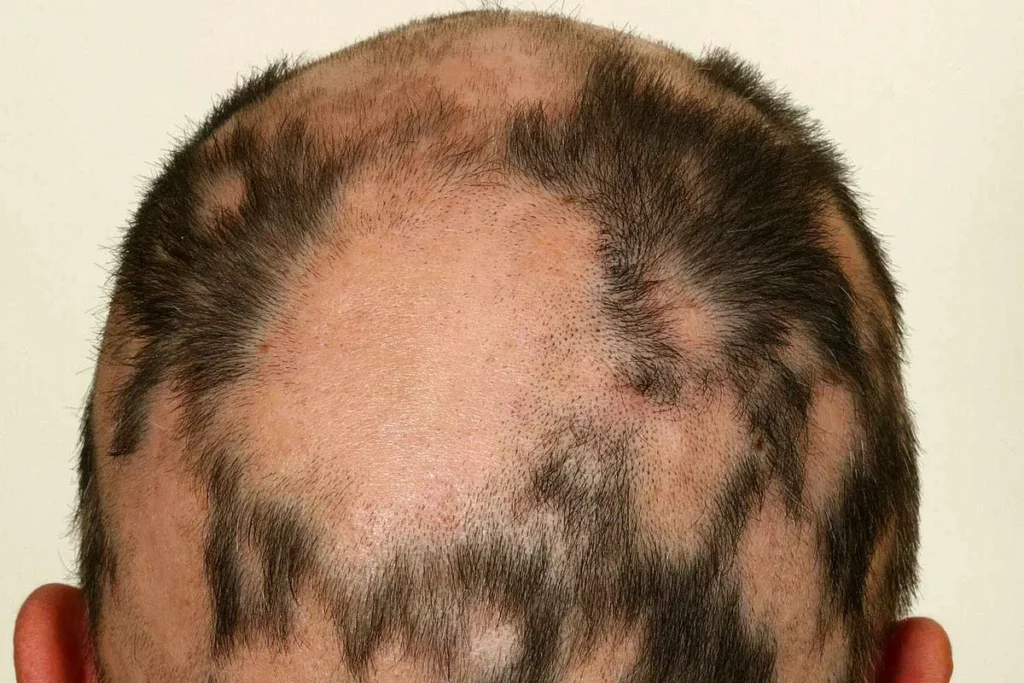
Knowing why hair breaks is key to a good hair care plan. Hair breakage is common and hits many hair types hard. But fine hair is the most at risk.
The Science Behind Hair Structure
Hair is built from a protein called keratin. It has three layers: the medulla, cortex, and cuticle. The cortex gives hair strength and bounce. The cuticle is the outer layer that guards the hair shaft.
When the cuticle gets damaged, the cortex is left open. This weakens the hair, making it break more easily.
The hair’s moisture balance is also vital for its health. If hair is over-processed or gets too hot, it loses moisture. This makes the hair dry and brittle, leading to more breakage.
Why Fine Hair Is More Vulnerable to Breakage
Fine hair is thinner than thicker hair, making it more likely to get damaged. Its delicate structure can’t handle much stress or chemical treatments. So, fine hair needs gentle care to avoid breakage.
To stop hair from breaking, you need a hair care plan that fits your hair type. Use soft hair products, cut down on heat styling, and stay away from harsh chemicals. This helps keep fine hair strong and safe.
How to Stop Hair Snapping with Proper Hair Care Techniques
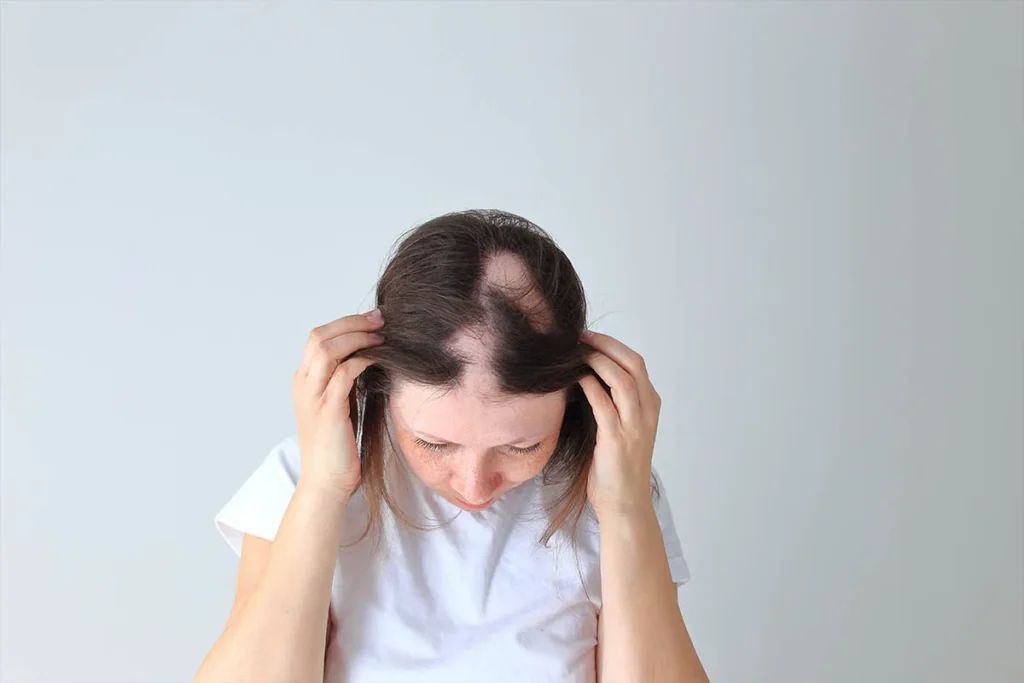
Reducing hair breakage starts with gentle hair care. By using protective techniques daily, you can make your hair healthier. This helps prevent hair from snapping.
Gentle Brushing Techniques
Brushing your hair gently is key to its health. Use a wide-tooth comb or detangling brush. Start at the ends and work up to the roots to avoid tangles and breakage. Avoid fine-tooth combs or brushes with metal teeth on wet hair, as they damage easily.
Be gentle when brushing. Avoid harsh yanking motions that can snap your hair. Use smooth, gentle strokes to detangle, slowly working through knots.
Protective Hairstyles and Sleeping Habits
Protective hairstyles help reduce hair breakage. Styles like braids, buns, and twists reduce hair manipulation. Choose styles that fit your hair type and aren’t too tight to avoid follicle tension.
Your sleeping habits also affect hair health. Use a satin or silk pillowcase to reduce friction and prevent breakage. Tying your hair in a loose bun or ponytail before bed helps avoid tangles and snapping.
Proper Washing and Drying Practices
Healthy hair needs proper washing and drying. Wash with warm water, not hot, to keep natural oils. Choose a gentle shampoo for your hair type and avoid over-shampooing to prevent dryness and breakage.
When drying, don’t rub your hair with a towel. Instead, blot excess water with a microfiber towel or old t-shirt. Always use a heat protectant when styling with heat tools to protect your hair.
Strengthening Products and Treatments for Hair Breakage
To fight hair breakage, add strengthening products and treatments to your routine. Breakage can be tough to deal with, but the right steps can help a lot.
Heat Protection Strategies
Heat styling tools can harm your hair and cause breakage. It’s key to use heat protection strategies. Heat protectant sprays or serums act as a shield, protecting your hair from heat damage.
When picking a heat protectant, look for silicones or antioxidants. These ingredients shield your hair from heat damage. For example, a study showed that a heat protectant spray can cut hair breakage by up to 50% at high temperatures.
Protein and Moisture-Balancing Treatments
Hair breakage often comes from an imbalance of protein and moisture. Protein treatments fix damaged hair structures. Moisture-balancing treatments keep your hair hydrated and strong.
Natural Oils for Hair Strength
Natural oils are great for nourishing and strengthening your hair. Oils like coconut oil, argan oil, and olive oil are full of nutrients that help your hair stay healthy. Coconut oil, for example, deeply nourishes the hair shaft.
Minimizing Chemical Treatment Damage
Chemical treatments can harm your hair if not done right. It’s important to follow the right application and after-care steps. Use gentle chemical treatments and always moisturize after to restore your hair’s health.
By adding these methods to your hair care routine, you can greatly reduce hair breakage and make your hair stronger and healthier.
Conclusion: Building a Sustainable Anti-Breakage Hair Routine
Creating a lasting anti-breakage hair routine is vital for healthy hair. Knowing why hair breaks and using the right hair care methods can help. Experts say a consistent routine, the right products, and regular trims are key to preventing breakage.
To stop hair from breaking, using the best products for breakage is essential. Treatments like nourishing masks and protein-based products strengthen hair. Knowing how to tackle hair breakage helps individuals take action.
Combining gentle hair care, protective styles, and nourishing treatments is important. Using products for breakage and avoiding harsh chemicals also helps. With a balanced approach, you can keep your hair healthy and strong, reducing breakage.
SSS
What causes hair to snap or break?
Hair snaps or breaks due to dryness, heat styling, chemical treatments, tight hairstyles, or rough handling.
How can I prevent fine hair from breaking?
Prevent breakage by moisturizing, using gentle brushing, avoiding heat, and handling hair carefully.
What are some effective methods for stopping hair snapping?
Use leave-in conditioners, protective hairstyles, silk pillowcases, and limit chemical or heat exposure.
How can I strengthen my hair to prevent breakage?
Strengthen hair with protein treatments, regular conditioning, nourishing oils, and a balanced diet rich in vitamins and minerals.
What are some common mistakes that can lead to hair breakage?
Common mistakes include excessive heat styling, over-brushing, tight hairstyles, harsh chemicals, and skipping conditioner.
How often should I trim my hair to prevent breakage?
Trimming every 6–8 weeks helps remove split ends and reduce breakage.
Are there any specific hair care products that can help to prevent breakage?
Strengthening shampoos, conditioners, leave-in treatments, and hair oils designed for repair can help prevent breakage.
Can hair breakage be reversed?
Breakage itself cannot be reversed, but new hair can grow healthy with proper care and damage prevention.
Referanslar
Ulusal Biyoteknoloji Bilgi Merkezi. Kanıta Dayalı Tıbbi Öngörü. Erişim adresi https://pmc.ncbi.nlm.nih.gov/articles/PMC11108903/