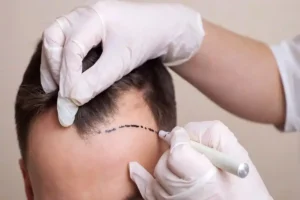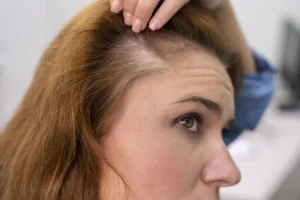

Significant emotional distress can cause hair loss in just weeks. Millions worldwide face stress-induced hair thinning. But, many don’t know it’s preventable and can be reversed. Stop Hair Thinning from stress for an amazing win. Discover natural recovery methods to restore your hair volume and health quickly.
Experts at gold city hair blend dermatology with wellness to help. They show how stress affects hair health. And they share natural ways to recover.
By tackling the causes of stress-related hair loss, you can start to get your hair back to health.
Önemli Çıkarımlar
Understand the causes of stress-induced hair loss
Discover natural recovery methods to regain hair health
Learn how to prevent future hair thinning due to stress
Explore the benefits of a patient-centered approach to hair care
Find out how to combine medical knowledge with compassionate care for optimal results
Understanding Stress-Induced Hair Loss
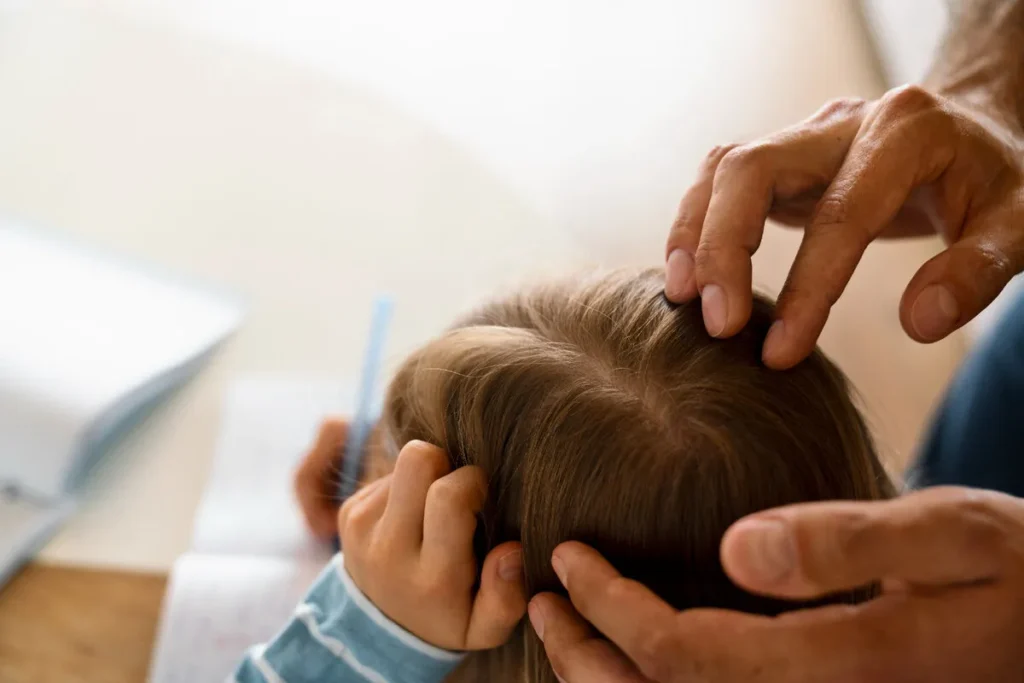
The connection between stress and hair loss is complex. Stress can lead to telogen effluvium, a condition that disrupts hair growth. This results in more hair shedding than usual.
Telogen Effluvium Nedir?
Telogen effluvium is a scalp disorder that causes hair thinning or shedding. It happens after a major stress event. More hair follicles than usual enter the resting phase, known as telogen.
Key characteristics of telogen effluvium include:
Excessive hair shedding, usually after a stressful event
Diffuse hair loss across the scalp
Hair loss can last for several months
The Stress-Hair Loss Timeline
The time between stress and hair loss can vary. Hair loss from telogen effluvium usually shows up 3-4 months after stress.
Understanding stress-induced hair loss is key to addressing it. Recognizing telogen effluvium and its link to stress helps individuals take action. This is the first step to reducing its effects.
How Stress Affects Your Hair Follicles
Stress sets off a chain of reactions in our body. It can harm our hair follicles. When we’re stressed, our body goes into “fight or flight” mode. This increases stress hormones like cortisol.
The rise in cortisol can hurt hair growth. Cortisol disrupts the normal hair growth cycle. This makes more hairs stop growing and fall out.
The Cortisol-Hair Connection
Cortisol, known as the “stress hormone,” is key in our stress response. High cortisol levels can make hair follicles stop growing. This is called telogen effluvium. It leads to more hair falling out.
A study showed cortisol’s impact on hair growth. High levels can break down skin substances needed for hair growth. This makes hair loss worse.
Hormonal Imbalances and Hair Health
Hormonal imbalances, like those in cortisol, harm hair health. When hormones are off balance, hair can thin and fall out.
Keeping hormones balanced is key for healthy hair. This can be done through stress management, a balanced diet, and good scalp care.
Natural Methods to Stop Hair Thinning from Stress
Stress can cause hair thinning, but there are ways to stop it. By managing stress, eating right, and caring for your scalp, you can grow your hair back. This approach helps your hair health and promotes growth.
Effective Stress Management Techniques
Stress management is key to stopping hair loss and growing new hair. Meditation and yoga lower cortisol, helping your hair grow. Physical exercise also balances hormones, which is good for your hair.
Meditation: Practice mindfulness meditation to reduce stress and anxiety.
Yoga: Engage in yoga routines that focus on relaxation and stress relief.
Physical Exercise: Incorporate regular physical activity into your daily routine.
Nutritional Support for Hair Recovery
Eating a balanced diet is vital for hair recovery. Foods rich in vitamins and minerals like iron, zinc, and biotin help your hair grow. Getting enough of these nutrients through food or supplements can improve your hair health.
Iron-rich foods: Include spinach, beans, and red meat in your diet.
Zinc-rich foods: Consume nuts, seeds, and oysters to boost zinc intake.
Biotin-rich foods: Eat eggs, nuts, and whole grains to support biotin levels.
Scalp Care Regimens for Thinning Hair
Good scalp care is important for hair growth. Scalp massages boost blood flow, helping your hair grow. Use gentle, natural shampoos and avoid harsh chemicals to keep your scalp healthy.
Scalp Massages: Perform regular scalp massages to stimulate blood flow.
Natural Shampoos: Use gentle, sulfate-free shampoos that nourish the scalp.
Avoid Harsh Chemicals: Limit the use of chemical treatments that can damage hair and scalp.
Sonuç
Stress-induced hair loss, or telogen effluvium, is common and can be fixed with care and stress control. Knowing how stress affects hair thinning is key to solving the problem.
Managing stress naturally, like through meditation and yoga, helps hair grow back. Good nutrition and scalp care are also important for healthy hair follicles.
Once stress is handled, most people see their hair grow back. But, if thinning persists, seeing a specialist is wise. A balanced approach to stress and hair care can naturally restore lost hair.
Yes, stress can lead to hair loss. But, with the right strategies, hair can regrow. Combining stress control, nutrition, and scalp care is essential for recovery.
SSS
What is stress-induced hair loss, and how common is it?
Stress-induced hair loss, also called telogen effluvium, occurs when stress pushes hair into the shedding phase. It is relatively common, especially after major physical or emotional stress.
How long after a stressful event does hair loss typically occur?
Hair loss usually appears 2–3 months after a stressful event.
Can anxiety cause hair loss in women?
Yes, anxiety can trigger telogen effluvium in women, leading to temporary hair thinning.
Does stress cause balding, and is it permanent?
Stress does not usually cause permanent balding; hair often regrows once stress levels are managed.
How can I stop stress-related hair loss naturally?
Manage stress through exercise, meditation, proper sleep, and a balanced diet. Gentle hair care also helps reduce additional breakage.
Will hair lost due to stress grow back?
Yes, hair typically regrows within 6–12 months once the stress is resolved.
Can nutritional deficiencies contribute to stress-induced hair loss?
Yes, deficiencies in iron, zinc, protein, and certain vitamins can worsen hair loss caused by stress.
How can I promote hair regrowth after stress-induced hair loss?
Eat a nutrient-rich diet, maintain scalp health, avoid harsh styling, and consider gentle topical treatments to support regrowth.
Referanslar
Nature. Evidence-Based Medical Insight. Retrieved from https://www.nature.com/articles/s41586-021-03420-5